For decades, the economic calendar in Zambia, and indeed across much of the developing world, followed a grimly predictable script.
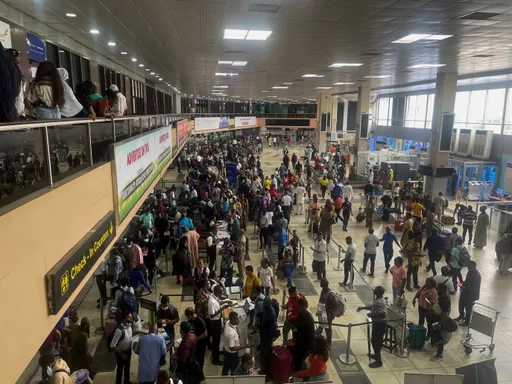
The festive season, a time of celebration, was shadowed by a ritual of economic vulnerability. As demand for imported goods and foreign currency surged, the Zambian kwacha would inevitably weaken, eroding purchasing power and casting a pall over the holidays.
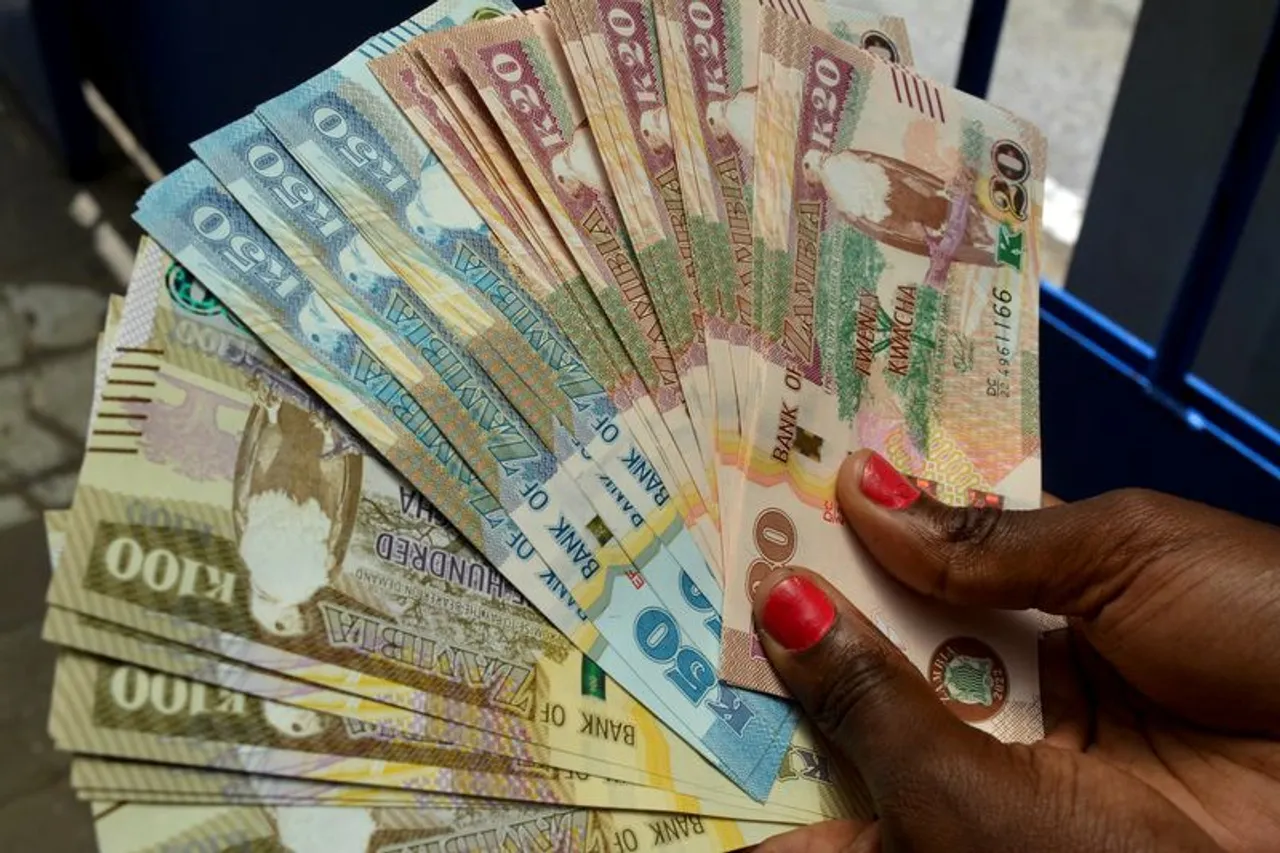
It was a seasonal tax of instability paid by every citizen. Yet, this past holiday period, something remarkable happened. The kwacha not only held firm but strengthened, a historic break from a pattern that many had accepted as an unchangeable law of nature.
This is not a fleeting moment of luck but the early fruit of deliberate, structural shifts, a quiet revolution that is rewriting the rules for what a resource-rich African economy can achieve.
The foundation of this transformation is built on a confluence of strategic policy, external validation, and a profound reimagining of domestic capacity.
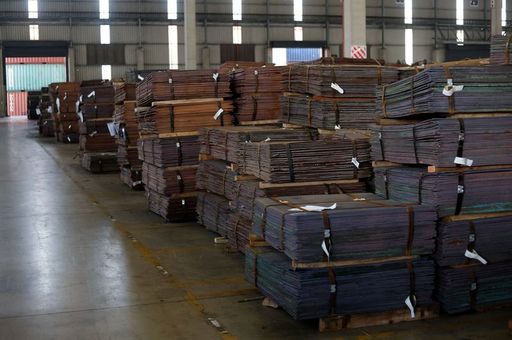
The strong performance of copper, Zambia’s traditional export mainstay, throughout 2025 provided critical ballast, boosting foreign exchange reserves.
However, to attribute the kwacha’s new-found resilience solely to commodity fortunes would be to miss the deeper story.
The true turning point came in December 2025, with the Bank of Zambia’s directive requiring all domestic transactions to be settled in kwacha.
This was a masterstroke of policy clarity. It immediately curtailed the domestic dollarisation that had long undermined monetary sovereignty, triggering a wave of dollar-to-kwacha conversions.
The result was tangible: the currency surged to its strongest level in over two years. This move proved a powerful axiom, that clear, decisive, and nationally focused policy can serve as the most effective anchor for a nation’s currency, more potent than passive reliance on global market whims.
This domestic resolve has been powerfully reinforced by a restored sense of international confidence. The International Monetary Fund’s continued engagement through the Extended Credit Facility has provided a framework for fiscal discipline.
Crucially, in November 2025, the sovereign credit rating upgrades from agencies like Fitch and S&P were not mere technical adjustments; they were global affirmations that Zambia’s arduous path through debt restructuring and fiscal reform was bearing credible fruit.
This external vote of confidence reduces perceived risk and makes the country more attractive to long-term, patient capital, moving beyond speculative flows that destabilise.
Yet, the most compelling chapters of this transformation are being written not in boardrooms of international financiers, but in the fields and factories of Zambia itself. For years, the agricultural sector was synonymous with vulnerability, a story of subsistence and seasonal imports.
This narrative has been decisively flipped. The Cabinet’s authorisation to export over 500,000 tonnes of surplus maize marks a paradigm shift. Agriculture is no longer a drain on forex reserves but a growing source of it.







By strategically leveraging regional food demand, Zambia is converting its agro-ecological potential into tangible economic strength, diversifying the very foundations of its foreign exchange earnings.
This leads to one of the most underreported economic victories in modern Zambia: the quiet revolution in fertiliser production.
Historically, the country bled approximately USD 600 million annually to import fertilizer, a chronic, structural drain on foreign reserves that perpetually pressured the kwacha.
Today, through concerted investment and policy support for local manufacturing, Zambia has transformed into a net exporter of fertiliser to the region. This is a triple win of monumental importance.
First, it represents a direct saving of hundreds of millions of dollars in annual forex outflows. Second, it has catalysed job creation and industrial development at home. Third, and perhaps most critically, it has dramatically enhanced national and regional food security by insulating the agricultural value chain from global price shocks and supply disruptions, such as those witnessed during the Ukraine conflict.
This move from vulnerability to self-reliance in a critical input is the very definition of structural economic transformation.
Throughout this period, the Bank of Zambia has provided the essential element of credible stewardship: consistency.
By maintaining a disciplined monetary stance focused on managing inflation and communicating its actions transparently, the central bank has ensured that strong fundamentals translate into sustained stability, not volatile spikes. This consistency builds public trust, which is the bedrock of any strong currency.
What we are witnessing, therefore, is more than a strong exchange rate. We are witnessing a currency earning its strength.
The kwacha’s festive-season resilience is a powerful symbol of a broader national transformation. It is built on a trinity of prudent macro-economic policy, aggressive export diversification, and strategic import substitution that borders on self-reliance.
It demonstrates that the path to economic sovereignty is not paved by protectionist isolation, but by smart integration, producing what you can competitively, exporting strategically, and managing your finances with rigor.
The challenge now is to institutionalise this momentum. The journey ahead requires deepening these gains by further fostering value-addition in the copper sector (moving beyond raw exports), incentivising other non-traditional exports, and ensuring that the stability of the kwacha translates into lower costs of capital for small and medium enterprises.
The winds have indeed shifted. Zambia’s experience stands as a compelling case study for the continent: that with visionary policy, fiscal discipline, and a relentless focus on unlocking domestic productive capacity, the cycle of vulnerability can be broken.
The unshakeable kwacha is not just a monetary statistic; it is a declaration of economic intent, and it is soaring.
The author, Kennedy Chileshe, is the Executive Director of the Jubilee Leaders Network, a policy and leadership advocacy organisation based in Lusaka, Zambia.
Disclaimer: The views expressed by the author do not necessarily reflect the opinions, viewpoints and editorial policies of TRT Afrika.