 Dora Siliya
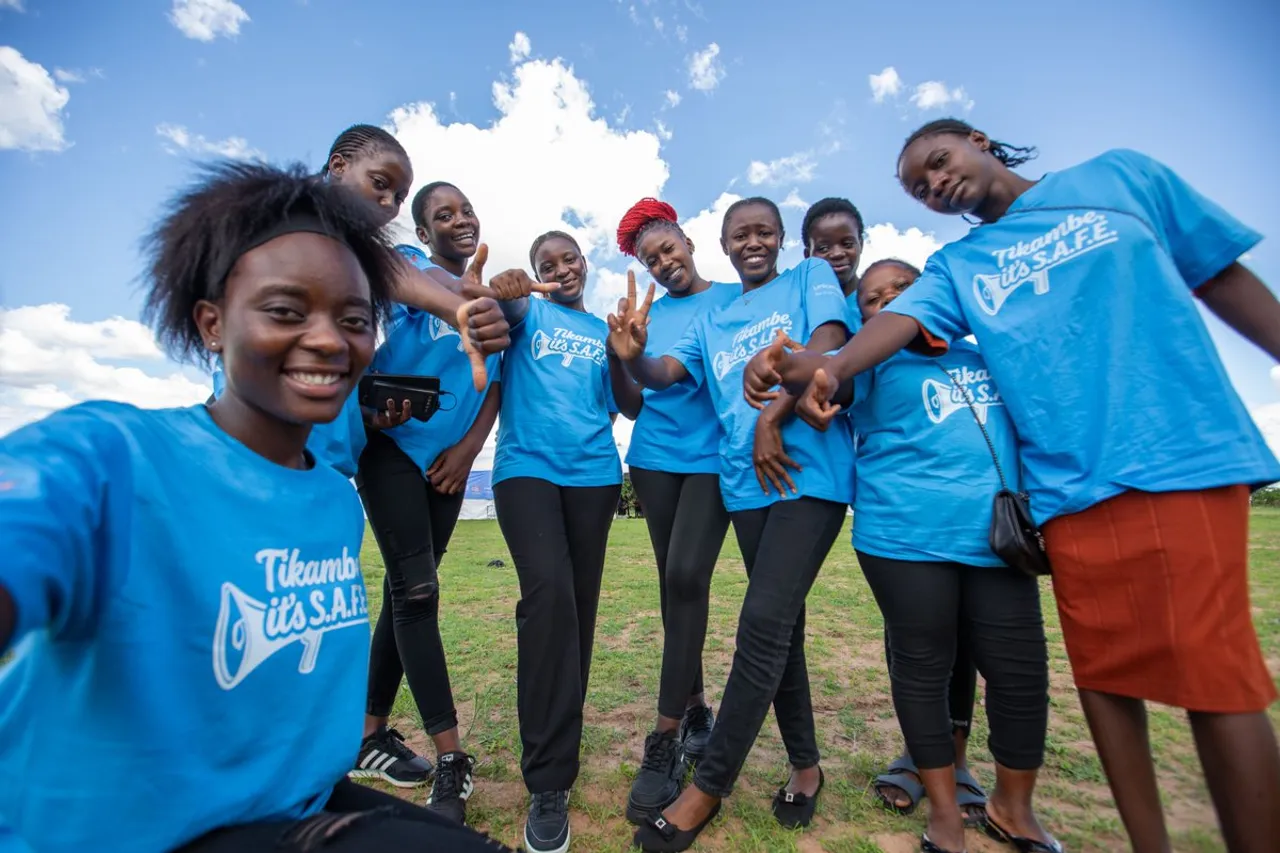
The young people were bold: “We could simply repeat the same pattern: sell the raw inputs cheaply—power, water, land, carbon—and import finished systems and decisions.
Or we could treat these endowments as the basis for a different social contract, one in which our ecosystems are not just commodities but leverage for a future in which our children are not disposable,” a soft but clearly spoken young entrepreneur, Mwiya Musokotwane, shared.
At this point, there is no doubt that the next frontier—a technological eruption never seen in human history before—is already here with us.
Artificial Intelligence (AI) has become a regular part of public discourse everywhere, illuminating its breakthrough potential for individually tailored education, cancer cures, green energy, and enhanced industrial efficiency, among others.
And that is if we believe that AI benefits outweigh any threats that may, in fact, be contained through both national and global regulation and good old human morality.
Some nations, such as the USA and China, are spending hundreds of billions of dollars on AI development.
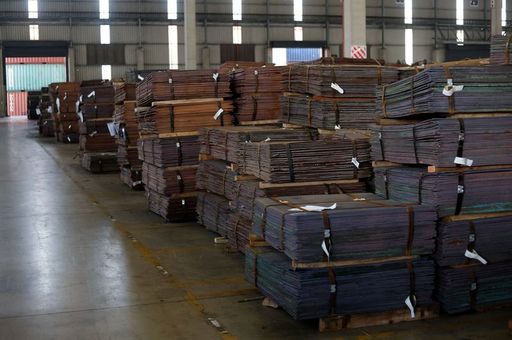
And things are moving very quickly, with big international firms all out to secure rights to critical minerals, water, and energy sources. Some financial articles have even referred to copper as the new oil.
Critical infrastructure
However, the majority of young people in Africa, including Zambia, are questioning what this new wave of hope means to them. Sixty years ago, independence promised dignity, prosperity, and happiness for all.
By the late seventies, most of the one-party African states were highly indebted and public services were on the verge of collapse. Poverty and unemployment have been increasing steadily since.
The wind of change in the 90s brought liberal economics and regular elections. But thirty years later, Zambia found itself, once again, a highly indebted nation and one with some of the highest levels of inequality globally.
Currently, businesses have also been negatively impacted by electricity shortages and limited financial relief.
The young people are asking even tougher questions about why, in a continent so endowed, they see others prepared to die on the high seas for an uncertain future in other lands. This is an indictment on older generations, and there are lessons to be learnt.
And so, if we agree that the ruin of a nation begins at home, then Zambian young people are ripe candidates for introspection.


Value of rare-earth metals
At the inaugural Zambia #1000 Summit, which I convened in Lusaka on 28 November 2025, thought leaders interrogated issues of identity, the education system, leadership needs, and economic and business opportunities.
The young people’s position was very clear: “We, the young people, are ready. We don’t want to be spoken about; we want to be spoken to,” as stated by Kennedy Chileshe, who leads the Zambia Jubilee Leadership Network.
There appears to be a third wave of hope. The copper mines have come back to life and the investment call in solar energy is also receiving traction.
And, after almost three years of debt negotiations, macro stability appears to be on the horizon of the next frontier.
The question being asked by many, though, is: how do we ensure maximum benefits from the high copper prices?
I share Sheila Khama’s concern—a Botswana podcaster—who has warned against believing that what rare-earth metals mean in developed economies is what they translate into in their capacity to impact social and economic transformation in a country like Zambia.
‘Incumbent to hear them well’
The youth want access to affordable and available housing and healthcare, meaningful education and relevant skills training, quality jobs, and the opportunity to start a business.
They want to believe that in Zambia they can make it and retire in dignity as long as they work hard.
This is the rallying point. It is incumbent upon all of us to hear them well. The Platinum Zambia @1000 Summit has initiated new conversations about how we see ourselves and how young people are imagining their future.
Citizens’ participation requires a critical mass to be bold indeed: to ask ourselves who we are as a people and where we are going. How are we going to get there?
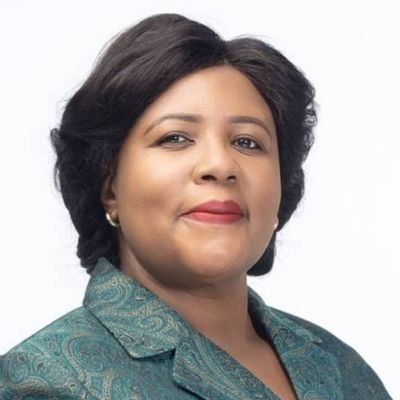
The author, Dr Dora Siliya, is the former Minister of Information and Broadcasting Services and former Minister of Agriculture in the National Assembly, Lusaka, Zambia.
Disclaimer: The views expressed by the author do not necessarily reflect the opinions, viewpoints and editorial policies of TRT Afrika.