A young woman wandering the streets and seemingly unaware of her surroundings as prying eyes followed her wherever she went. The sight broke Amina Abdalla's heart.
It's been a decade since that morning in Kenya's Mombasa, and she still shudders at the thought.
"As a parent, I couldn't just pass by," recalls Amina. "If I had left her the way I found her, she could have been abused, raped or lost forever. I saw a future in that girl."
That split-second decision changed Amina's life in more ways than one. As the owner of Tours and Safaris Limited, a flourishing tour company in Mombasa, it couldn't have been easy walking away from the success, affluence and comfort she had.
But that's what she did.
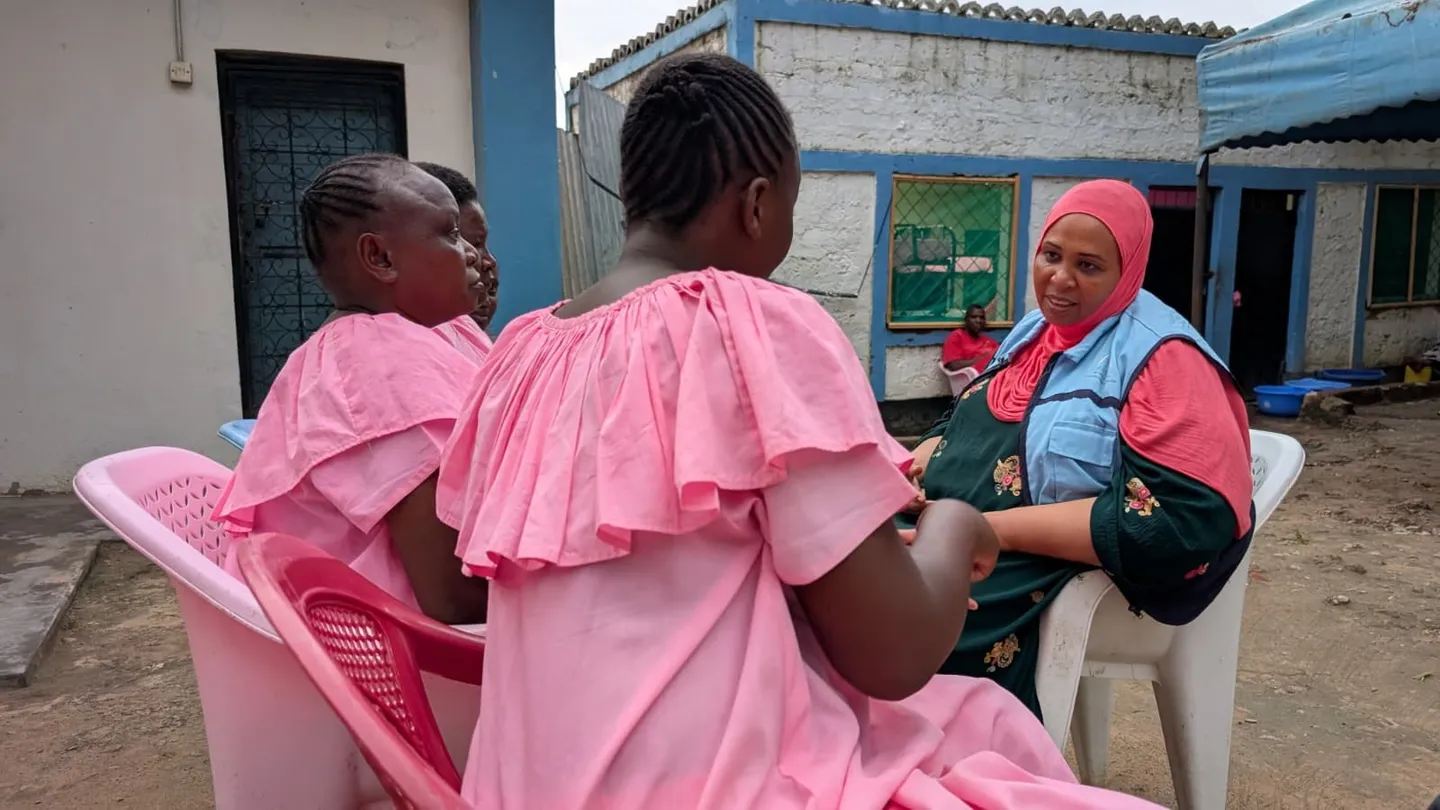
Not only did Amina take the woman, around 20 at the time, to a hospital and support her through six months of treatment, she decided to devote the rest of her life to rescuing and rehabilitating scores of others wrecked by mental illness and deserted by their families.
In the rescued Mombasa woman's case, Amina discovered her father was blind, impoverished and unable to take care of her.
Months after stepping out of hospital, she returned to the streets, albeit this time to start a new life as a vendor selling chapati and beans. "She is stable now and working to support her father," Amina tells TRT Afrika.
Finding a higher calling
Amina's personal transformation began with her selling her fleet of tourist vehicles, stepping down from her role in Tours and Safaris Limited, and plunging into her new mission of rescuing people with mental illness from the streets.
"I saw no point in sitting in an office transporting tourists. I felt called to do something God wanted me to do," she says.
Before her rescue campaign took shape, Amina had founded the Mombasa Women Empowerment Network as a community organisation meant to support women and children. She quickly realised that her goal of supporting those who needed care couldn't be met without proper infrastructure.
"The number of patients needing care was high and the treatment costs were overwhelming. I needed my own centre and a doctor," she explains.
Amina built on her initiative by postponing buying a home for herself and investing the money on land for a mental rehabilitation centre.
Every day, Amina and her small team would drive through Mombasa, rescuing people from the streets. "I rarely even reach town before my car is full," she says. "If you came with me now, I could pick ten severely ill people within a radius of less than a kilometre."

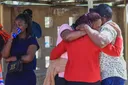
Amina often receives calls from neighbouring counties. What began with a single rescue is now the only centre in Kenya that rescues people with mental illness for free, treats, feeds, houses and educates them.
Confronting the stigma
For Amina, seeing the cruelty people with mental illness face is the most difficult part. Many are avoided, mocked or labelled "crazy", "bewitched" or "possessed".
"They aren't treated as human beings," she tells TRT Afrika. "And when you treat someone like that, they start to believe they do not belong."

Entrenched cultural beliefs increase the challenge for rescuers like her.
"Mental illness is not what people think it is," explains Amina. "Many families fail because they believe it's witchcraft or curses. When someone talks to themselves, families assume demons, not auditory hallucinations. In many homes, unusual behaviour is blamed on supernatural punishment or albadiri, a belief that God is angry. Such thinking leads families to reject medical care entirely."
Data from the World Health Organisation (WHO) shows that mental illness affects one in every four people, but healthcare systems don't have enough professionals to cope with the load.
In Mombasa, a city of more than one million, the number of psychiatrists pales in comparison to those for other medical needs.
"Many patients go untreated, unseen and unheard," says Amina. "There is limited government support, and access to advanced diagnostic tools like brain scans remains out of reach. Most treatments rely on observation and medication."
Running the centre is a constant financial struggle. Monthly food costs have reached 1.1 million Kenyan shillings (US $8,513), of which only a portion is generated through donations. Medication requires another 650,000 shillings ($5,030).
Recognising the signs
Amina has rescued more than 2,000 patients, including some from Tanzania, Uganda, DRC, and even the UK. "Mental illness often drives people to wander long distances without understanding where they are going," she says.
Raising awareness about mental illness has become a key part of her mission. "When you see them, even if they look scary, give them something to eat. Don't run away," she tells everyone.
She describes watching former patients return to work and reconcile with families. Some now drive cargo trailers across East Africa. "These success stories give me strength every day."
"Mama Amina", as she is lovingly addressed, has been honoured nationally and internationally for her work, including the Mashujaa Day Presidential Award (Heroine of the Nation) in 2021, the Rotary Good Citizen Award, and being counted among the 100 Most Influential Muslims in Kenya and the 50 Most Influential Women in Kenya.