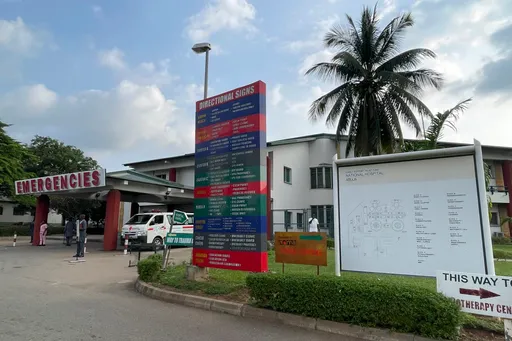
When Malian Halima Cissé deliver nine pikin for May 2021, the story as e be scatter internet.
People and dokita bin think say na septuplets she dey carry, but she deliver the world only surviving nonuplets — five girls and four boys wey born early for 30 weeks.
For her own Africa, wey pikin plenty and big family dey traditionally consider blessing, the news do pass normal surprise.
Halima and her new pikin no be only medical miracle; dem still show another modern and near-hidden reality wey dey affect millions of African couples: infertility.
"Dem get perception say Africa no get fertility problems," Dr Wanjiru Ndegwa, consultant and fertility specialist for Footsteps To Fertility Centre for Nairobi, Kenya, tell TRT Afrika.
"I recently attend one seminar and one professor from Germany suggest say money no suppose waste for fertility issues for Africa because the continent don overpopulated. Imagine my shock when I hear that kind remark."
Population size no mean say fertility level no fit be problem for a region. Country fit get millions people and still dey face widespread infertility wahala.
World Health Organisation (WHO) define infertility as when couple no fit conceive after 12 months or pass wey dem don dey try. Based on worldwide data, e affect one in six people wey dey reproductive age at some point for their life.
"Infertility na one of the most overlooked public health challenges for our time and na major issue of inequality worldwide," WHO director-general Tedros Ghebreyesus talk.
"Millions dey face this lonely journey. Dem dey isolated because care cost high, dem dey pushed towards cheap treatments wey dangerous and no proven or dem dey forced to choose between their hope of having children and their financial security."
Di first global guidelines
WHO first-ever international guidelines on infertility, wey dem release this November, dey aim to improve prevention, diagnosis and treatment.
The 40-point advisory list cost-effective options for every stage and recommend say reproductive health care suppose dey integrated into national health strategies, services and funding.
"We dey literally miss everything. We no get enough specialists wey sabi how to manage infertility. We no get enough IVF centres. We no get embryologists. We no get institutions wey dey provide such training," Dr Wanjiru talk.
WHO guidelines include recommendations for better clinical management of infertility. Dem also call for more investment for prevention, including information on fertility and infertility, age-related factors, school-based services, primary health care and reproductive health facilities.
Pressure and stigma


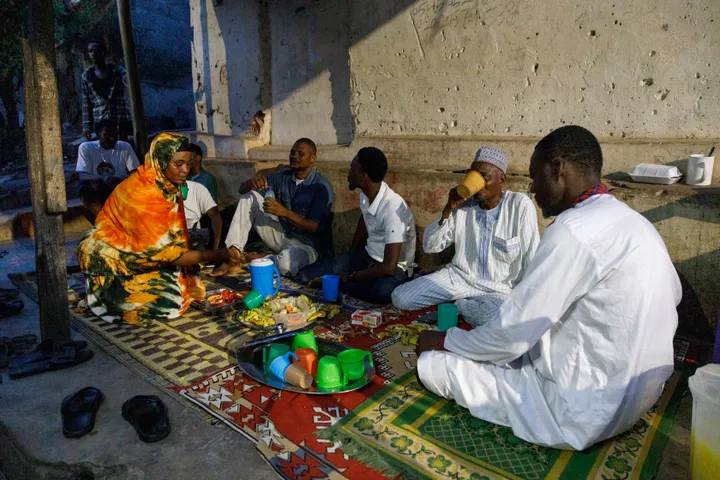



Social pressure still be one of the biggest challenges surrounding infertility, especially for couples wey people dey assume say dem dey rush against body clock.
For societies where tradition strong, woman dey often blame if she no fit conceive after marriage, and dis stigma many times come from lack of correct information.
"When e reach infertility, no be only the couple wey dey affected. Society dey jump in, and dem create stigma wey follow am," Dr Wanjiru tell TRT Afrika.
"Even before woman marry, people dey pressure her make she conform to the idea say she go raise family. Society fit talk, 'We sabi your degrees but you get another important role to fulfil.'"
So, na only women dem dey direct questions about infertility to?
Dr Wanjiru point out say clinics for Kenya don see big increase in men wey dey seek advice or treatment, show say more male partners don accept say problem fit dey with them or say dem need join to find solution.
Treatment wey dey available
WHO guidelines underline say make dem tackle risk factors for infertility, including untreated sexually transmitted infections and tobacco use.
Lifestyle changes — better diet, exercise and stop tobacco — dem recommend for people and couples wey dey plan or dey try conceive. Dokita talk say educating people about fertility and infertility early fit help dem make informed family planning decisions.
But when person suppose investigate or seek fertility treatment?
"I don get couples wey don dey together one month and dem surprise say dem never conceive. I tell dem say e no dey happen for one month normally. I advise make dem try for at least one year before dem begin worry. I no see need to rush into early or regular testing," Dr Wanjiru talk.
WHO guidelines recognise say infertility fit lead to depression, anxiety and social isolation, so dem stress the need to make psychosocial support available continuously for all wey affected.
WHO still urge countries to review domestic healthcare policies and monitor infertility trends. To make strategies wey go tackle this growing problem succeed, dem need collaboration across ministries of health, health professional associations, civil society and patients' groups.
Experts talk say treatments dey available, but e depend mainly on the specific reason wey make person or couple no fit conceive.
"Solutions dey. The correct treatment depend on wetin cause your infertility," Dr Wanjiru tell TRT Afrika.
For most African couples wey dey face infertility, the main challenge now na to close the gap between knowing say treatment dey and actually choosing to use am.