In a move that received wide international condemnation last week, Israel became the first country to formally recognise Somaliland as an independent sovereign state.
Even though it seceded from Somalia in 1991, the self-styled state of Somaliland in the Horn of Africa is recognised by neither the United Nations nor the African Union. The Somali government considers Somaliland an integral part of its territory.
Besides deepening fears that the Israeli move is part of a strategy to forcibly relocate Palestinians from Gaza to Somaliland, it seems to have revived another debate: do Zionist ambitions extend beyond Palestine?
For many in Somalia and beyond, the act of recognition is no isolated diplomatic gesture.
Protests erupted in Mogadishu and other Somalian cities after the Israeli announcement, with crowds chanting for national unity and waving Palestinian flags in solidarity.
That’s because they view Israel’s move as the latest chapter in a century-long pattern of Zionist land-grabbing and demographic engineering, which historically eyed far-flung territories at a time when full access to the Palestinian land appeared doubtful.
As viral documents circulating online highlight a 1940s proposal linked to the so-called Harrar Council, observers wonder whether Somaliland’s sudden recognition by Israel is part of an eight-decade-old Zionist scheme to control strategic African land – now perhaps as a dumping ground for displaced Palestinians.
A 1942 document by Jewish activist Hermann Fuernberg talks about settling European Jews in the Harrar region of Ethiopia, while using ports in the adjacent British Somaliland for maritime access.
“My proposal is to unite the so-called Harrar territory of Ethiopia with part of British Somaliland and create a state for the European Jews,” wrote Fuernberg, noting that the local population inhabiting the African territory in question is “not likely to raise great difficulties”.
“Every Jew, whether he considers himself as such or is classed as such against his will, should have the right to enter this state,” he said.
Even though the idea remained peripheral, it reveals an early Zionist willingness to covet distant lands in the form of settler colonialism, altering demographics through the mass immigration of Jews to establish dominance over local populations.
Similarly, a dispatch dated February 10, 1939, in The Canadian Jewish Chronicle called for a Jewish homeland in Ethiopia because “since the Pharaohs it has been linked with Jewish history”. The Canadian Jewish Chronicle has been operational since 1914.





“The narrow strip of land between the Jordan and the Mediterranean – which now holds half a million Jews and a million Arabs – could not possibly absorb the Jews who are today threatened with exile,” it said, adding that the African territory should be “thrown open to colonisation by the Jews”.
“Ethiopia, with its fertile upland soil, with its virgin resources waiting development, cries for colonists… It would offer the Jew a homeland such as he has never conjured up in his wildest dreams,” it said.
Additionally, a daily bulletin by the news platform Jewish Telegraphic Agency on July 22, 1943, announced the formation of the Council for an Autonomous Jewish Province in Harrar.
The stated objective of the organisation was to help European Jews settle in the Harrar area of Ethiopia and in adjoining British Somaliland “under conditions of political autonomy”.
Fast-forward to 2025, and the echoes of Zionist land-grabbing ambition still persist.
Israeli Prime Minister Benjamin Netanyahu's announcement, made during a phone call with Somaliland's self-styled president Abdirahman Mohamed Abdullahi, was framed as expanding cooperation in agriculture, health and technology.
But Somalia and the rest of the world suspect ulterior motives, as the diplomatic move advances Israel's military ambitions in the Red Sea.
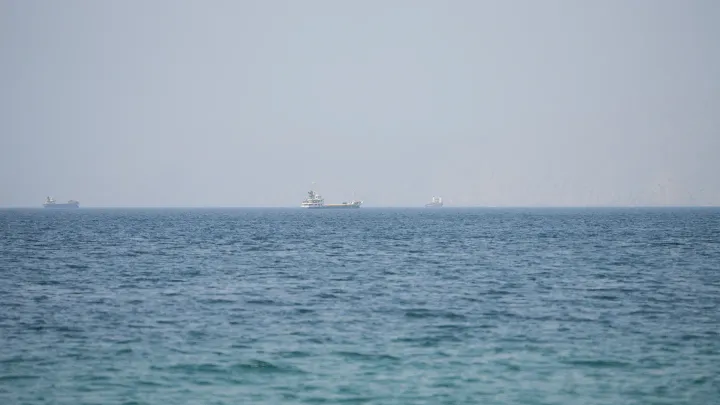
Analysts say Israel’s engagement with Somaliland will provide it with strategic access to the Bab el Mandeb Strait, a 32-kilometre-wide body of water between the Arabian Peninsula and Africa, connecting the Red Sea with the Gulf of Aden, a key maritime route.
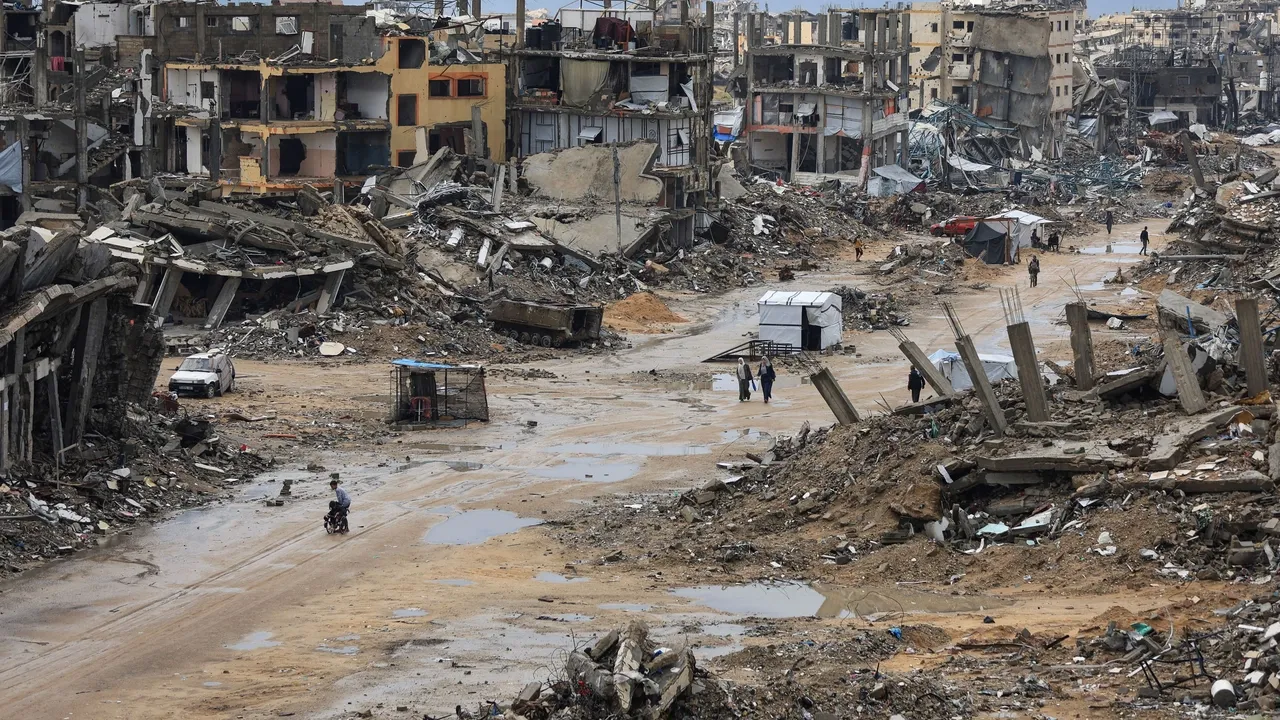
More alarmingly, reports from earlier in 2025 showed Israel and the US approached Somaliland – and many others, like Sudan, Somalia, Ethiopia, Libya, and Indonesia – for the resettlement of about two million Palestinians uprooted by the war in Gaza.
Palestine's foreign ministry backed Somalia while condemning Israel for considering Somaliland as a potential destination for the deportation of Palestinians from Gaza. Somali officials also accused Israel of using recognition to facilitate ethnic cleansing in Gaza, emptying land for Jewish settlement and displacing Palestinians to alter African demographics.
The Arab League, African Union, Egypt, Türkiye, Saudi Arabia and numerous other states have also rejected Israel’s recognition of Somaliland, explicitly warning that it could facilitate the forced relocation of Palestinians, a policy critics describe as ethnic cleansing.