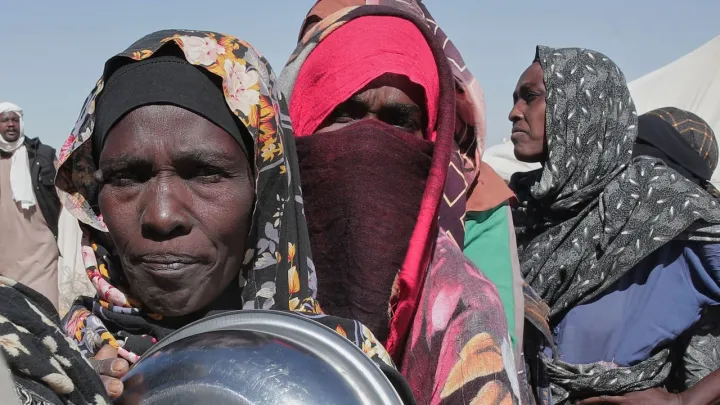
For three days, Amira* has been caught in a haze of hunger, failing vision and a mother's anguish at watching her children share a single bowl of sorghum.
The pain in her side, a familiar reminder of her diabetes, has turned sharp and urgent. She worries about what's happening. Her body is shutting down.
Two years ago, fleeing Khartoum with her children as shells cratered her street, the Sudanese refugee left her insulin behind in the scramble to relative safety.
Spending months in a crowded schoolroom-turned-shelter in Gezira State, Amira managed her diabetes by being careful about what she ate despite the limitations of leading life as a displaced person. Not anymore. The disease is winning.
The nearest hospital Amira can visit is 40km away. She had heard the facility was still functional but someone just informed her that it's been looted.
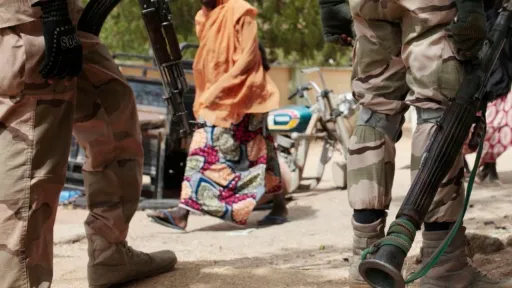
In any case, getting to the clinic means spending money Amira doesn't have. Then there are the checkpoints along the way, where soldiers are known to ask uncomfortable questions.
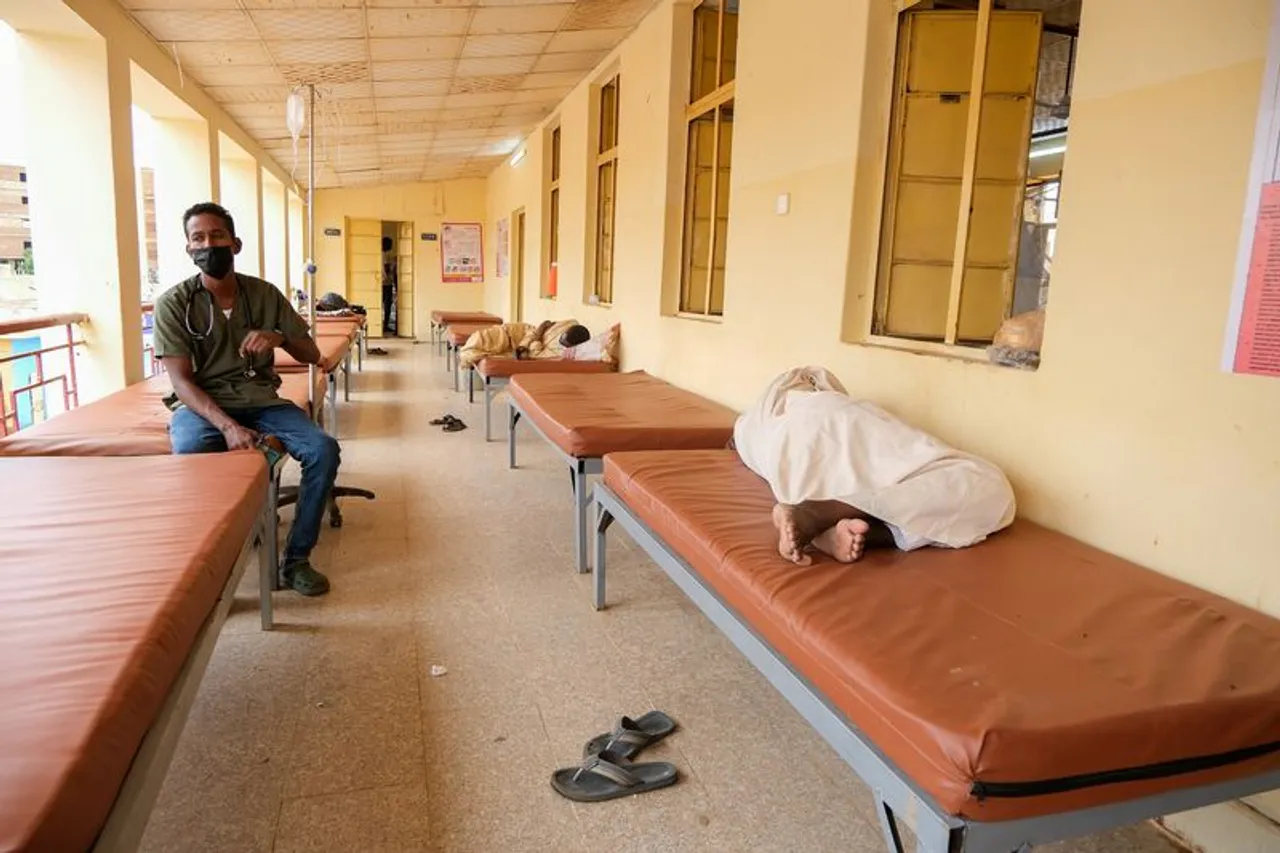
Amira's plight represents the destruction of war-ravaged Sudan's healthcare system, leaving millions without access to the medical care they desperately need.
"We are not just surviving war," says Ahmed*, a community health worker in Darfur treating cholera patients under a torn canvas that passes off as a makeshift centre. "Sometimes, all I can offer suffering patients is a piece of clean cloth and a prayer."
Ceaseless suffering
January 9 marked 1,000 days of the war in Sudan. The grim milestone confirmed what aid agencies have been saying for months: this is now the world's worst humanitarian crisis.
Data from the World Health Organisation (WHO) illustrates the sheer scale of the suffering being heaped on civilians trapped in the vortex of a conflict that has only gotten worse.
It is estimated that more than 20 million people need immediate medical attention. Another 21 million are starving. Some 13.6 million citizens have been uprooted from their homes, making this the most extensive displacement crisis in history.
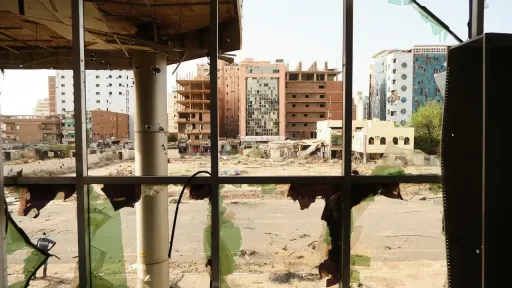
WHO has verified 201 attacks on healthcare facilities in violation of international law, cumulatively resulting in nearly 1,900 deaths and cutting thousands of others from emergency and routine medical care.
As of January, 37% of healthcare facilities aren't functional. For pregnant women, children with malaria, or elderly people with hypertension, even a routine check-up is inaccessible.

"One thousand days of conflict in Sudan have driven the health system to the brink of collapse. Under the strain of disease, hunger and a lack of access to basic services, people face a devastating situation," says Dr Shible Sahbani, WHO Representative in Sudan.
"WHO is doing what we can, where we can…Despite the challenges, we are also working on recovery of the health system."
Fragile lifelines
Crowded, unsanitary camps across Sudan have become incubators of disease. Cholera has spread to all 18 states, dengue to 14, and malaria to 16.
Healthcare agencies warn of an imminent measles outbreak as a consequence of routine immunisation programmes being discontinued.
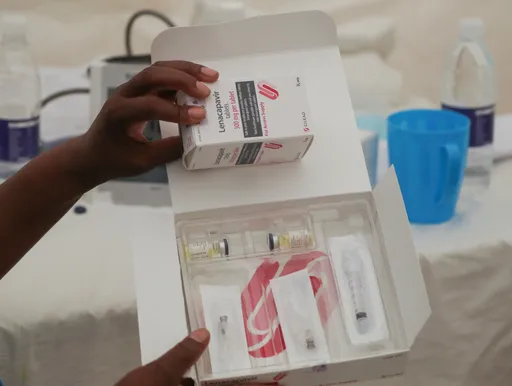
Amid the sense of hopelessness all around, some help is getting through. Since the fighting began, WHO and its partners have delivered 3,378 metric tonnes of supplies that include cholera treatments, surgical kits and medicines. These have benefited around 3.3 million people through the hospitals and mobile clinics still operating.
Health workers like Ahmed, often unpaid and working at serious personal risk, keep going with whatever resources reach them. But the gap between need and response keeps widening.
"As the relentless conflict renders some areas inaccessible, the population's health needs continue to increase," says Dr Sahbani. "To meet these mounting needs and prevent the crisis from spiralling out of hand, WHO and its humanitarian partners require safe and unimpeded access to all areas of Sudan, and increased financial resources."
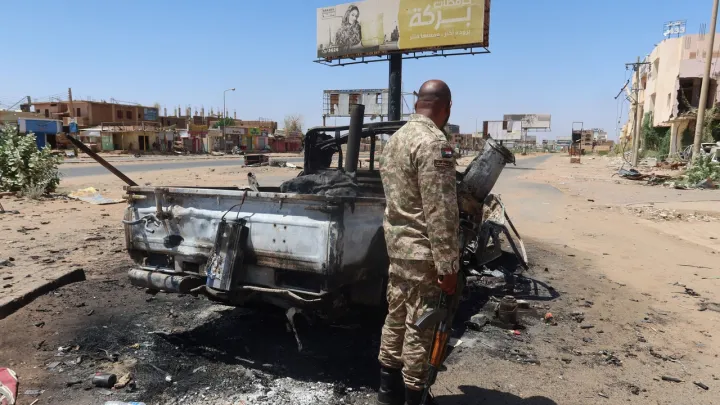
So, what lies beyond the 1,000 days of indescribable torment Sudan has already faced? Will the international community finally wake up and help restore the most basic human right of access to healthcare?
Back in Gezira State, Amira has the kindness of a local volunteer to thank for surviving her latest health crisis.
The volunteer, trained by a WHO affiliate, recognised her situation and arranged one precious vial of insulin. It bought Amira time, although she isn't sure what will happen the next time her body almost gives up.
Her future, like that of the 33.7 million Sudanese in need of immediate aid, depends on when the world decides to act.
*Names changed to protect identities