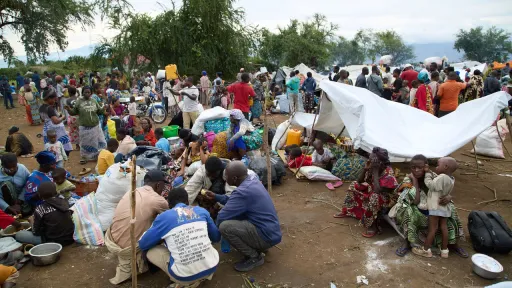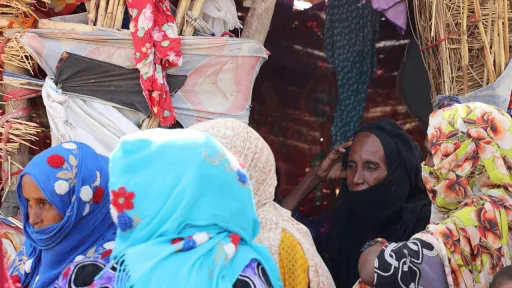
Somalis are not fleeing weakness; they are fleeing wars engineered far beyond their borders. Their resilience is a story the world keeps trying to bury and keeps failing to erase.
I understood this more clearly one afternoon in Eastleigh, Nairobi. The air there never rests. Matatus hiss past, vendors call out their presence, incense curls from charcoal stoves, and the smell of cardamom tea floats above it all like a blessing refusing to land.
In the middle of that restless symphony, a nineteen-year-old boy stood at a gas station guiding fuel trucks with a steady authority most men acquire decades later. He checked invoices, negotiated deliveries, corrected errors with a certainty learned young.
A man beside me watched him and finally muttered that familiar suspicion disguised as curiosity. How do Somalis start businesses so young? Where does the money come from? His tone carried the accusation: success shouldn’t look that effortless.
But some of us don’t need his explanation. That boy did not walk into a bank. He didn’t need to. Behind him stood an entire architecture the world rarely bothers to see. Uncles in Toronto pooling savings. Cousins in Doha contributing. A brother in London wiring his share. Elders in Mogadishu guaranteeing his honesty.
No interest. No paperwork. No collateral. Just trust, the essential currency of the Somali Nomad Code. That brief moment in Eastleigh clarified something I had sensed my entire life: Somalis do not rise because the world makes room for them.
Somalis rise because they carry a system older than the modern state, one outsiders never learned to interpret. And when people cannot explain your success, they resent it. When they resent it, they attack it. You do not throw stones at barren trees.
You only throw stones at the ones heavy with fruit. Somalis are that tree. Across continents, suspicion follows Somali success like a shadow. In Europe, their mobility becomes “instability.”
In North America, their unity becomes “secrecy.” In Africa, their speed in business triggers conspiracy theories. Even their refusal to participate in interest-based banking, a choice rooted in faith, is painted as a failure to integrate.
But if critics understood the landscapes Somalis cross before they reach foreign shores, the hard work they have to endure to operate in their own Nomad Code System, they might hesitate before weaponizing stereotypes.
The places the world refuses to look
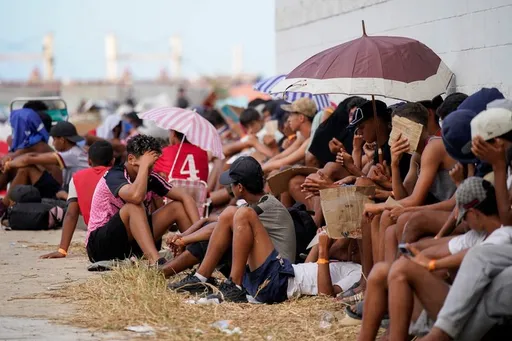
Start with the Darién Gap, a place that should repel life, yet receives Somalis in waves. A humid maze of cliffs, violent rivers, and unmarked graves.
People cross it because even a slim chance of living beats the certainty of dying at home, where they fear Al-Shabaab’s bombs, a stray bullet from a trigger-happy armed man, limited work opportunities, and a weak passport.
In that jungle, rivers swallow bodies. Cliffs collapse. Armed men trade in human misery. Women carry wounds no doctor can treat. Children faint, rise, collapse again. Some lean against trees as if resting, but rest never comes.
Still, Somalis walk. Families emptied their pockets to send them forward. They wait for us to feed them. That duty keeps feet moving.
The sea that turned into a cemetery
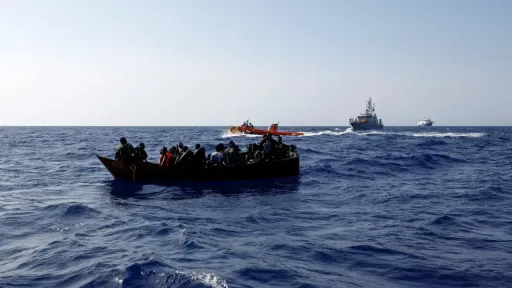
Then comes the Mediterranean, where hope and horror meet. Somali parents know its hunger. Thousands lie in unmarked graves under those waves, men seeking work, women seeking safety, mothers carrying infants.
The sea has devoured more Somali futures than any regime. Yet from those waters rose a diaspora building hospitals, sitting in cabinet meetings, parliaments, classrooms, and newsrooms across the world, sending over $1.5 billion home each year.
Many of them once clung to sinking rubber boats whispering prayers into the dark.
Ridwan’s story: When loss gets a name
Pain becomes real only when it wears a familiar face. Ridwan Ahmed crossed from Izmir to Greece in a rubber dinghy never meant for human hope.
The cold cut through bone. When the Greek coast guard arrived, it came with violence: ramming the boat, slashing its sides, tearing off the engine, throwing it into the black water.
In the chaos, Ridwan’s closest friend jumped, trying to swim to shore. The sea took him instantly. Ridwan watched the hand vanish; the water smoothed itself as if erasing him.
When I picked Ridwan at Mogadishu’s Adde International Airport in November 2024, he walked towards me like someone held together not by strength but by sheer stubbornness, a man surviving on a thread after the sea tried to erase him.
Still, I refused to meet him only through that wounded image. I held onto the Ridwan I once shared meals with at Mandeeq Restaurant in Istanbul, Yusufpaşa; the Ridwan whose laughter rose with the aroma of fresh shaah, whose eyes came alive when he spoke of Mogadishu, whose stories made the world feel small and full of possibility.
That version of him was the anchor I clung to when I welcomed him back home, a place he could land without collapsing. But while I was holding back a few drops of tears, Ridwan was holding back a whole ocean.
What happened to him was not migration. It was a punishment.
The nomad code
The Nomad Code was not written. It was carved into people by drought, war, wind, and uncertainty. It teaches one central lesson: movement is not disruption.
Movement is discipline. Rain shifts. Pastures relocate. Conflict rises. Famine stalks. Nothing in Somali history stayed still long enough for a culture of stillness to form.
So Somalis learned to read the world through motion. When opportunity appears, move. When danger rises, move. When the world changes shape, move. When survival demands it, move. Western institutions misread this instinct completely.
They confuse adaptation with inconsistency, trust-based economics with secrecy, community loyalty with suspicion, speed with something to be feared. They ask why Somali families move often.
Why young entrepreneurs launch businesses rapidly? Why diaspora communities emerge fully formed in foreign cities? Why Somalis thrive wherever they land? The answer is simple: they descend from a people trained to rebuild life overnight.
• Trust replaces paperwork.
• Reputation replaces collateral.
• Clan responsibility replaces credit systems.





• Community pooling replaces bank loans.
• Speed replaces bureaucracy.
• Adaptation replaces fear.
To outsiders, these systems appear informal. To Somalis, they are the only reason their people still exist.
The Nomad Code built resilience so durable that even state collapse could not erase it. It’s why Somalis regenerate wherever they land.
Why abandoned malls become commercial hubs. Why scattered families become continental networks.
Why a teenage boy in Eastleigh can run a business with confidence older than his age. This is also why global institutions struggle.
They expect people who behave like settlers. Somalis come from a lineage that moved before dawn, negotiated survival before breakfast, and built unity that outlived famine and war.
The world isn’t baffled by Somalis. The world is baffled by something it never bothered to translate.
The world’s misreading
Authorities complain Somalis are hard to track. Schools say they move too often. Banks doubt their ability to open businesses.
Politicians claim they “don’t integrate.” But the truth is this: Somalis aren’t failing to integrate. The world is failing to understand a culture optimized for movement, not stagnation.
Somalis aren’t suspicious. Their systems simply aren’t Western. Somalis aren’t chaotic. Their logic follows a rhythm taught by droughts and winds and conflict.
And still, they rise
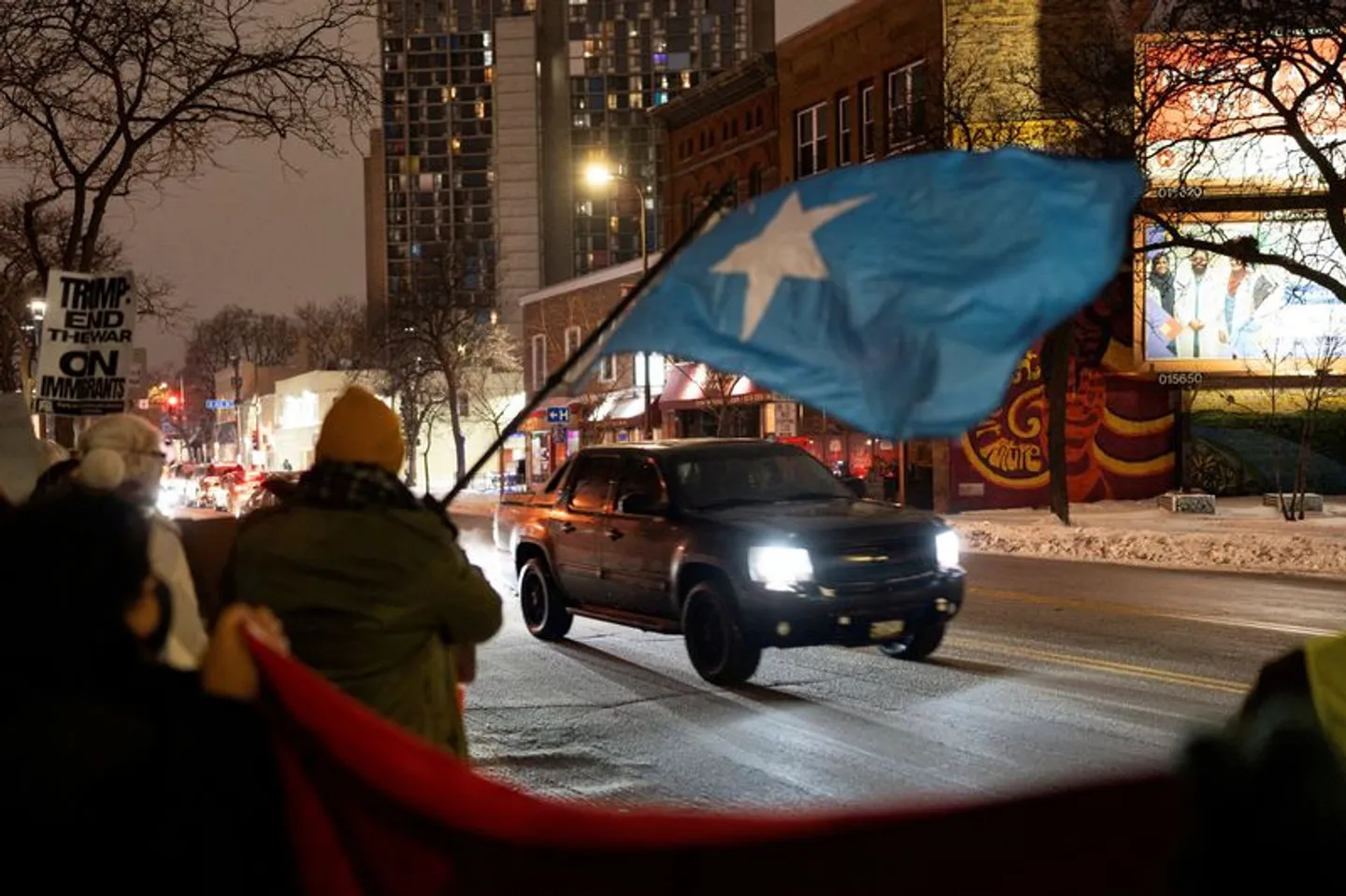
Despite jungles, seas, deserts, border guards, racism, suspicion, and caricature, Somalis rise everywhere they go. In London, Toronto, Nairobi, Beijing, Minneapolis, Istanbul, Doha, Kuala Lumpur, Cape Town, they build.
They transform neighbourhoods into economies. They create job networks, business ecosystems, and cultural strongholds. Crime rates stay low. Work ethic stays high. Faith remains constant. Loyalty remains fierce.
The irony is painful: the world attacks Somalis for the very qualities that keep them alive. What truly unsettles outsiders is that Somalis succeed without waiting for permission, without borrowing from banks, without dissolving their identity.
This is what the Nomad Code produces: a people who cannot be dismantled by circumstance. The code produces the fruit. The fruit attracts the stones. And the stones become irrelevant because the tree keeps growing.
The Somali diaspora A global political force
What the world once mistook for a scattered people has become a quiet political awakening.
Somalis, long seen as refugees, now sit inside the very institutions that shape nations, from North America to Europe, from East Africa to the Gulf. In the United States they serve in Congress, state houses, city councils, and school boards.
In the United Kingdom they help govern London, Birmingham, Bristol, and beyond. Canada has Somali MPs and municipal leaders pushing national conversations forward.
Finland elected Somali parliamentarians; Sweden, Norway, the Netherlands, and Germany all count Somali voices in their local and regional politics.
Even in Australia, Somali-Australians are stepping into council chambers and advisory boards. Closer to home, the influence grows sharper. Kenya’s Somali governors, senators, MPs, and cabinet ministers shape national policy.
Tanzania’s Minister of Agriculture, Hussein Mohamed Bashe, carries Somali heritage into one of the country’s most strategic portfolios. Ethiopia’s Somali Region government adds an entire political tier, a parliament, a regional presidency, full ministries.
Uganda, Djibouti, and Gulf states host Somali-origin leaders in municipal roles, advisory councils, and economic boards.
This is no longer a diaspora scattered by history. It is a political constellation stretching from Minneapolis to Helsinki, from London to Melbourne, from Nairobi to Dar es Salaam, a global network of Somalis who refused to disappear and chose instead to govern.
A tree that bears fruit, is the tree people stone
This is the truth the world prefers to hide: you do not attack what is weak. You attack what you fear. And Somalis, whether the world admits it or not, are feared for their resilience, for their ability to rebuild themselves across continents, for their refusal to collapse even when engineered pressure demands it.
This pattern exists far beyond Somalia. Venezuela, with the largest oil reserves on earth, is starved. The DRC, with minerals powering global technology, is dismembered.
Somalia fits within this global logic not because it lacks value, but because it possesses too much: the longest coastline in mainland Africa, vast marine and energy wealth, fertile land, strategic geography, and a diaspora thriving in more than 35 countries.
It is easier to vilify Somalia than to admit the world benefits from Somali labour, Somali trade, Somali remittances, Somali intellect, Somali grit.
If the world wants to understand Somalis, it must replace caricatures with truth. Whenever hostility rises, Somalis should remember the Kiswahili saying: Mti unaotupiwa mawe ndiyo wenye matunda; The tree that bears fruit is the tree the world stones.
So keep growing. Keep building. Keep rising. Keep standing when the wind is strongest. Because the world has tried to bury Somalis again and again, forgetting one truth: Somalis are seeds. And seeds always rise.
The author, Mohamed Mahmud Allaale is a freelance journalist and communications consultant
Disclaimer: The views expressed by the author do not necessarily reflect the opinions, viewpoints and editorial policies of TRT Afrika.