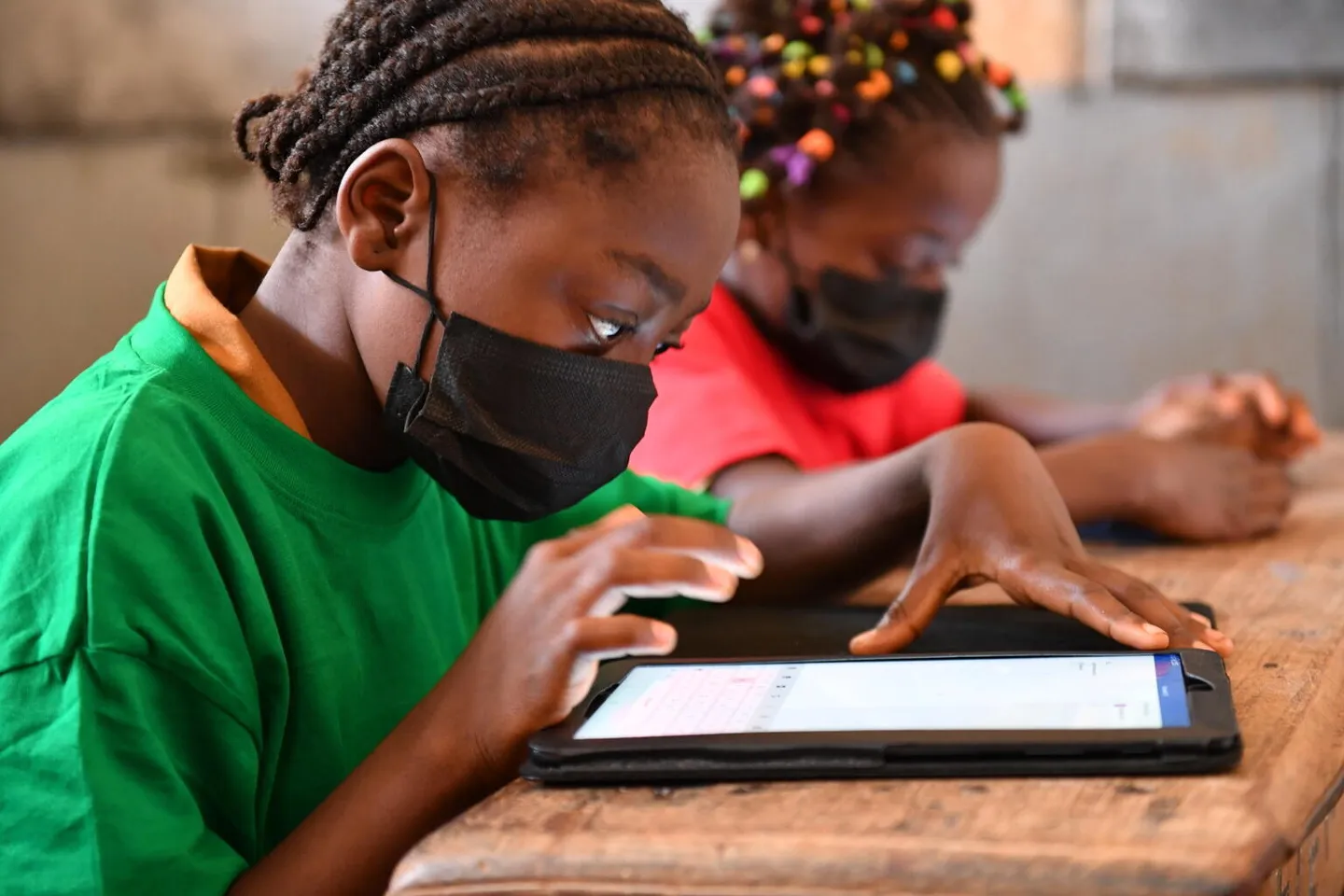
Children around the world are increasingly engaging online. While the internet connects children to learning, friendship, and creativity, it also exposes them to an alarming rise in online sexual exploitation and abuse.
In some African countries like Kenya, statistics show the magnitude of the problem. For example, Kenya’s National Center for Missing and Exploited Children (NCMEC) had over 46,000 reports of online child sexual abuse and exploitation in 2023 alone.
The Safety for Children and their Rights Online (SCROL) baseline survey conducted by Terre des Hommes Netherlands revealed that nearly half (47.7%) of children in the East Africa country had experienced at least one form of online harm, ranging from grooming, cyberbullying, to being exposed to sexual content.
As we mark World Children’s Day 2025 under the theme "My Day, My rights", we must protect our children from Online Child Sexual Exploitation (OCSE).
The numbers tell a distressing story. Twenty-eight per cent of children surveyed reported being asked to share sexual images, and almost a quarter of older teens admitted to meeting strangers they first encountered online. Girls remain disproportionately at risk, with 35% pressured to share sexual content compared to 22% of boys.
These are not just numbers; they are stories of shattered trust, trauma, and lost innocence. Online Child Sexual Exploitation leaves scars that impact mental health, learning, and social development to children. Left unaddressed, it threatens not only individual children but also the fabric of our society.
Caregivers themselves acknowledge these online risks but often feel less equipped to respond.
Digital literacy
The 2025 SCROL Caregiver's Perception study on OCSE highlighted that most parents lacked adequate digital literacy on how to protect their children from OCSE and only relied on restrictive measures such as warnings or punishment rather than guidance.
Many reported difficulty in understanding social media platforms and privacy settings, while others admitted to rarely discussing online risks openly with their children.
Encouragingly, parents expressed strong interest in digital literacy workshops and tools to help them monitor online activity effectively and communicate better with their children about online safety.
Tackling OCSE is everyone’s responsibility. The government must lead by strengthening laws and dedicating budgets to child protection. Law enforcement agencies must respond swiftly with survivor-centred approaches.
Internet Service Providers and tech companies must embed child protection into their platforms by design, ensuring harmful content is swiftly detected and removed.
Parents and caregivers, who are the first line of defense, need tools and awareness to guide their children’s online activities. And children themselves, empowered and informed, must have safe spaces to speak out and lead peer-to-peer advocacy.
Since 2022, the SCROL programme, implemented by Terre des Hommes Netherlands, has worked in Nairobi, Kisumu, and Kilifi counties to make the digital space safer for children.
Progress
Over the past three years, Kenya has made tangible progress in protecting children online through stronger partnerships across government, law enforcement, civil society, and the private sector.
The multi-sectoral approach under the SCROL programme has built a coordinated national response where each actor plays a critical role; from prevention to prosecution.
Law enforcement officers now handle online child sexual exploitation (OCSE) cases with improved precision and survivor sensitivity, leading to faster investigations and increased successful prosecutions compared to 2022.

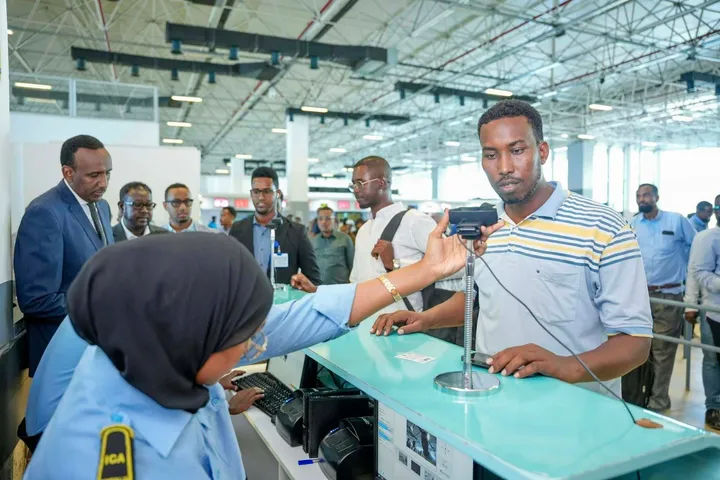




Collaboration with the Judiciary and the Office of the Director of Public Prosecutions has strengthened case management, while engagement with the Directorate of Criminal Investigations has improved evidence handling and child-friendly interviewing procedures.
At community level, parents and caregivers have become more aware and proactive in guiding children online. Children themselves are leading peer campaigns and reporting harmful content through safer channels like Childline 116.
Despite these milestones, millions of children around the world continue to face grooming, cyberbullying, sexual exploitation, and other forms of online exploitation. The growing reach of technology has outpaced many protective systems, leaving families and institutions struggling to keep up.
Listen and act
At the 2025 Africa Children’s Summit in South Africa, children from Kenya joined their peers across the continent in calling for the recognition of online safety as a basic right. Their message was clear: we must listen and act.
Awareness alone is not enough. Sustainable solutions require embedding online safety into national government systems, engaging private sector actors, and ensuring psychosocial support for survivors.
While progress has been made, the challenges of AI-generated content, weak parental awareness, and delayed case prosecutions persist.
On this World Children’s Day, we call upon key actors to listen to the future, to genuinely hear children’s ideas for a better world, and to ensure their priorities are reflected in every decision and action taken to prevent and stop OCSE.
Governments around the world must allocate more resources and budgets for online child protection and integrate OCSE into education curricula as a core life skill.
Tech companies need to go beyond policies and ensure safety-by-design for children. Parents must remain vigilant and proactive in ensuring safety for their children in the digital space.
The private sector and civil society must sustain and scale the progress made under initiatives such as SCROL by investing in stronger systems, policies, and partnerships that protect every child online.
No child should ever be exploited, online or offline. We must protect All Children from Online Child Sexual Exploitation.
The author, Magdalene Wanza, is the Kenya Country Director for Terre des Hommes Netherlands.
Disclaimer: The views expressed by the author do not necessarily reflect the opinions, viewpoints and editorial policies of TRT Afrika.