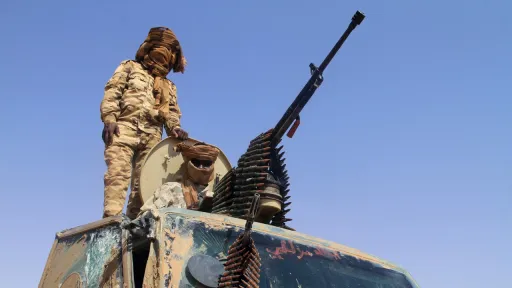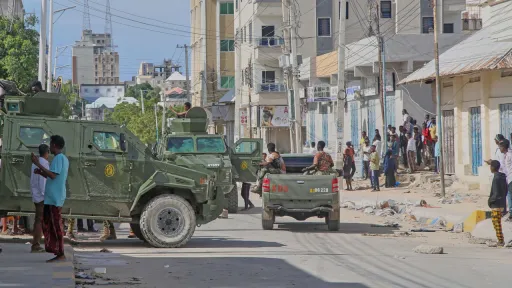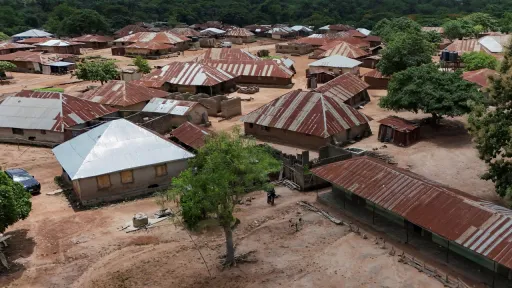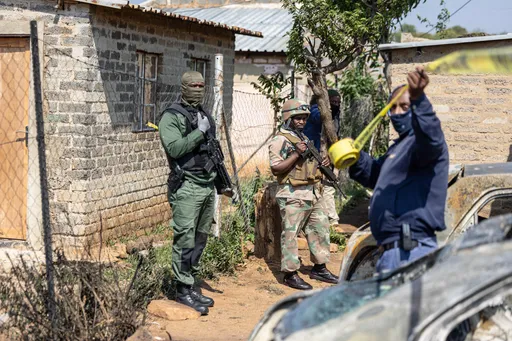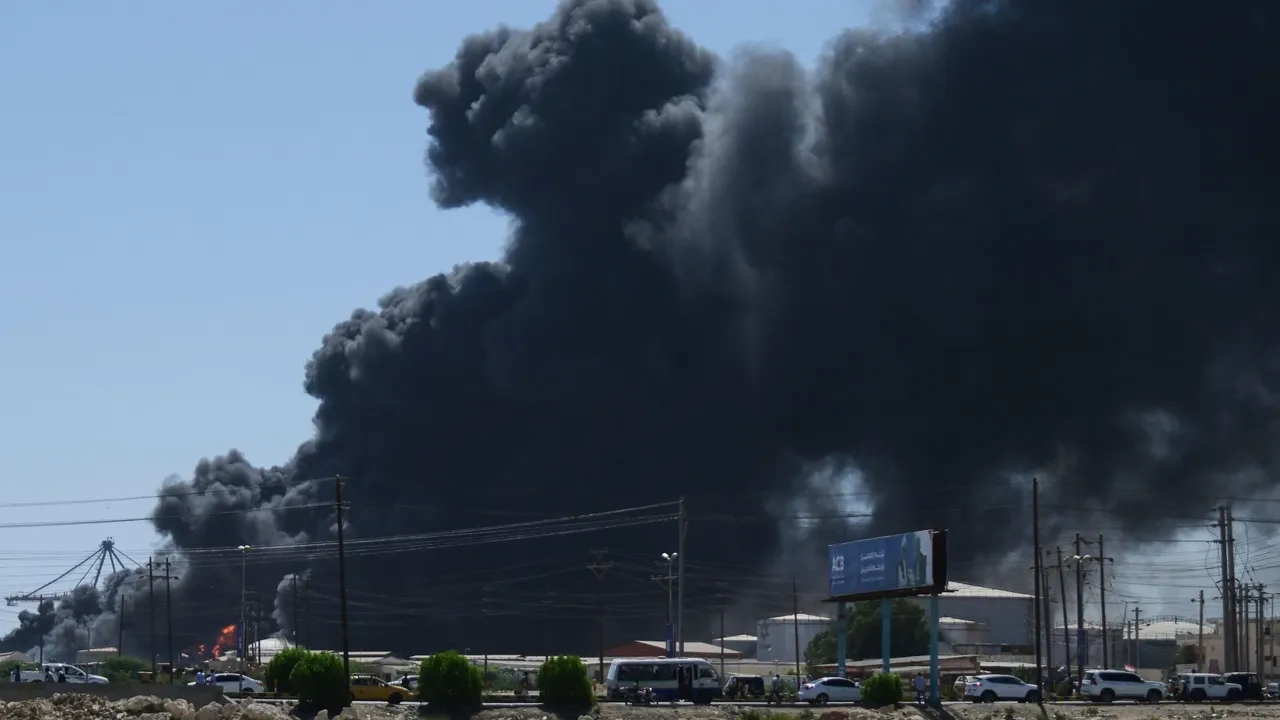
On Sunday, the national electricity company reported a significant power outage in El Obeid, the capital of North Kordofan state, following drone strikes that targeted the local power station. The strikes come amid escalating violence in the oil-rich southern region of Sudan, where clashes between the national army and the paramilitary Rapid Support Forces (RSF) have intensified over the past two years. The RSF has recently launched an offensive aimed at seizing control of strategic areas in Kordofan, marking the region as the latest battleground in this protracted conflict.
The electricity company confirmed that the drone attack caused a fire in the machinery building of the El Obeid power station, leading to a complete halt in electricity supply. This incident underscores the ongoing instability in the region and the impact of military actions on civilian infrastructure.
Military Gains Amidst Ongoing Violence
In the wake of the drone strikes, army-aligned forces announced on Wednesday that they had successfully retaken several cities south of El Obeid from the RSF. The Joint Forces, an umbrella organization comprising various armed groups allied with the army, declared that they had achieved "sweeping field victories" in the North Kordofan axis. In a statement, the group highlighted their progress and control over several strategic locations, including Kazqil, Hamadi, El Rabash, Habila, and El Dubaibat.
The Joint Forces claimed that these areas had been cleared of RSF elements, inflicting significant losses on the paramilitary group in terms of personnel and military equipment. A source within the Sudanese army indicated that these military advancements could potentially open up vital routes between El Obeid and Dilling, a city in South Kordofan that is currently besieged by the RSF.
Humanitarian Crisis Deepens in Dilling
The situation in Dilling is dire, as a UN-backed report indicates that the city is facing severe famine conditions. The army source further noted that government forces in Dalama, located to the south, had successfully cleared a path to Dilling and entered the city. This military maneuver is crucial as it may provide much-needed relief to the residents suffering from food shortages and lack of essential supplies.

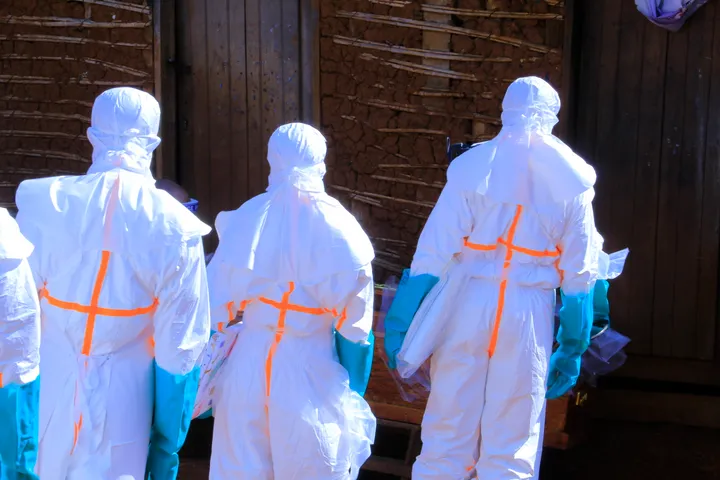



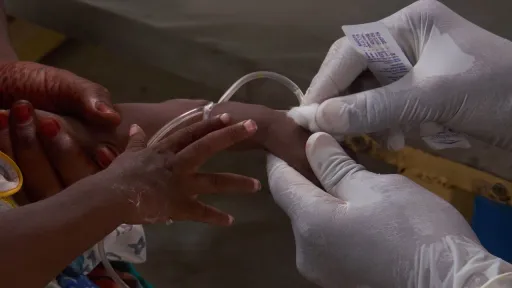
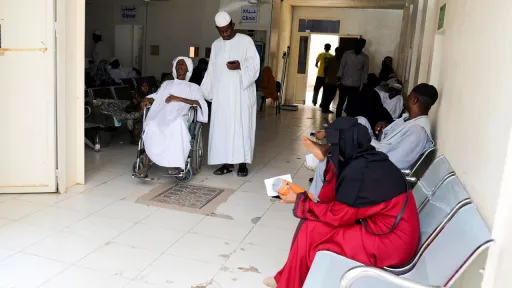
The humanitarian crisis in Sudan has been exacerbated by the ongoing conflict, with the UN's International Organization for Migration (IOM) reporting that approximately 15,000 people have been displaced from North and South Kordofan states in just the past week. Since the onset of the war, more than 11 million individuals have been forced to flee their homes, either internally or across borders, many seeking refuge in underdeveloped areas that are already struggling with a lack of food, medicine, and clean water.
The Broader Implications of the Conflict
The conflict in Sudan, which erupted over two years ago, has not only led to widespread displacement and humanitarian crises but has also drawn international attention due to its implications for regional stability. The fighting between the Sudanese army and the RSF has resulted in significant casualties and destruction, with both sides engaging in fierce battles for control over key territories.
As the situation continues to evolve, the international community is closely monitoring developments in Sudan, particularly in regions like Kordofan, where the humanitarian needs are growing more urgent by the day. The ongoing violence poses a significant challenge to efforts aimed at achieving peace and stability in the country, as well as addressing the pressing humanitarian needs of the affected populations.
Conclusion
The conflict in Sudan remains a complex and multifaceted crisis, with the recent drone strikes in El Obeid highlighting the ongoing violence and its impact on civilian life. As military operations continue and humanitarian conditions deteriorate, the need for a comprehensive and sustainable resolution to the conflict becomes increasingly critical. The international community's response and engagement will play a vital role in addressing the challenges faced by the people of Sudan as they navigate this tumultuous period in their history.