 Pauline Odhiambo
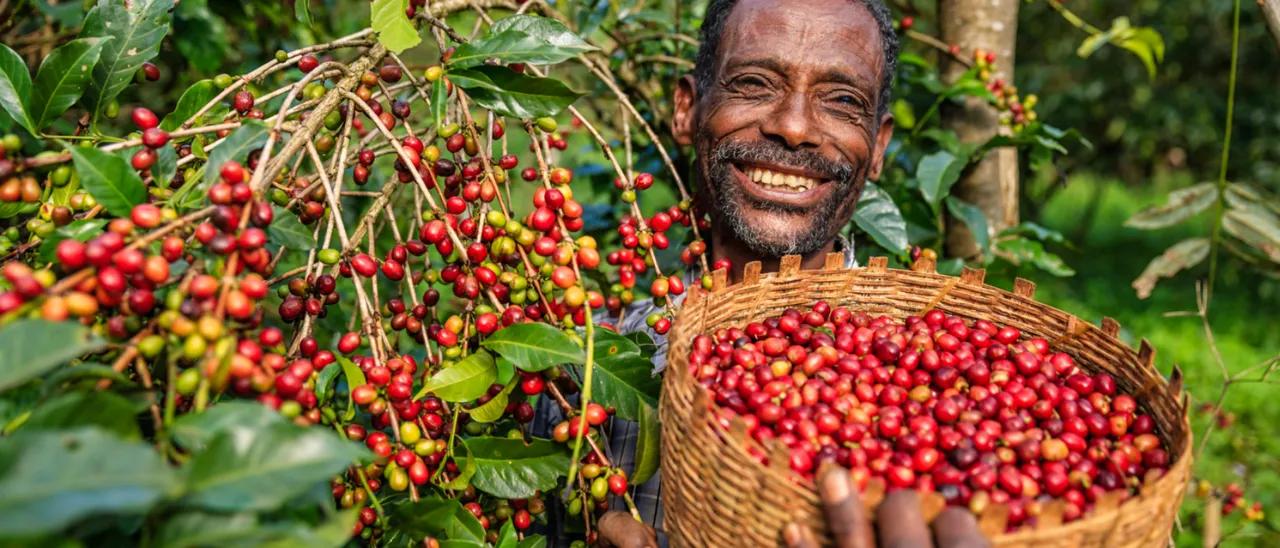
The first light of dawn creeps over the misty hills of the Yirgacheffe region in Ethiopia, painting the sky in hues of orange and gold. For Hailu Gebre, the day begins not with the sunrise, but in the cool, fragrant air of his small coffee plot, hours before.
He runs his fingers through the crimson cherries hanging heavy on the branches, each one a small vessel of potential.
“My grandfather taught my father, and my father taught me: coffee is not just what we grow; it is what we are,” Hailu tells TRT Afrika.
“But for so long, the world has only seen the drink in their cup. They don't see us here, worrying about the rains that don’t come, or the price that can change overnight. This recognition, it feels like the world is finally seeing the farmer who holds the cup.”
Hailu’s sentiment speaks to a feeling spreading across the continent’s coffee belt.
Thousands of miles away, in the lush, terraced highlands of Mount Kenya, Wanjiku Mwangi, a roastery owner in Nyeri, understands that feeling intimately. She built her business on the back of the famous rich, bold beans from her region, navigating the complex path from local producer to international market.
“My customers in Europe and America love the story of the bean, the tasting notes of blackcurrant and citrus,” Wanjiku explains, gesturing to sacks of green beans in her workshop.
“But the story is incomplete without the chapter on struggle—the struggle for fair prices, for access to information, for a future that doesn’t force our young people to leave the land. We are the origin, and we need the world to invest in that origin.”
That global recognition, long hoped for by millions like Hailu and Wanjiku, has finally arrived in a formal and powerful way. In a historic move, the United Nations General Assembly has officially proclaimed October 1 as International Coffee Day.
Fair pricing
The resolution, championed by the Food and Agriculture Organization of the UN (FAO), acknowledges what communities across Africa have known for centuries: coffee is far more than a commodity. It is a cultural cornerstone, a daily ritual, and for many, the thin line between sustenance and poverty.
The resolution highlights coffee’s profound role in the cultural and social fabric of societies, but its true weight lies in its economic implications. It explicitly links the coffee sector to the achievement of critical Sustainable Development Goals (SDGs): from ending poverty (SDG 1) and hunger (SDG 2) to empowering women (SDG 5) and fostering economic growth (SDG 8).
For no continent is this connection more acute than Africa, the birthplace of Coffee Arabica. While giants like Brazil and Vietnam lead in export volume, African nations produce some of the world's most sought-after, high-quality beans—the very soul of the specialty coffee market.
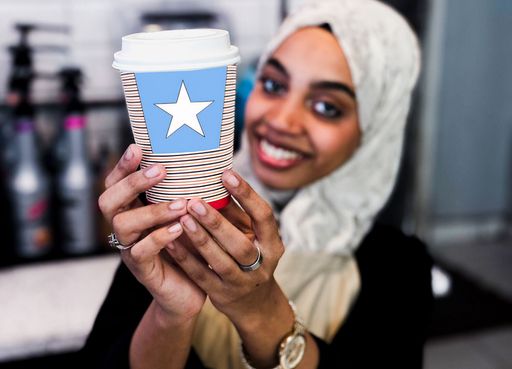
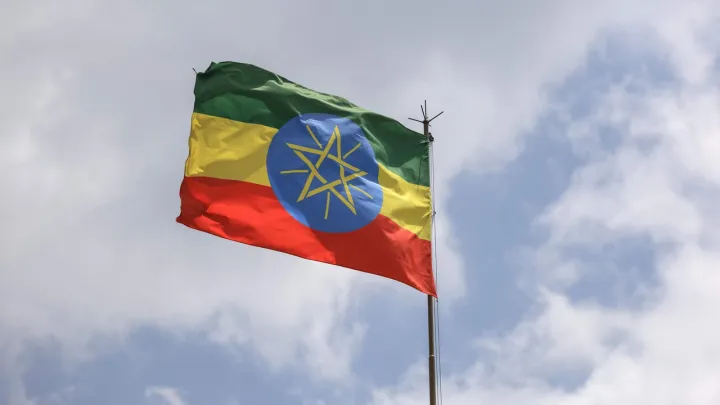
Ethiopia, with its legendary Yirgacheffe and Sidamo varieties, is not just a producer; coffee is the country's lifeblood. In 2024, coffee accounted for a staggering 27.9 percent of Ethiopia's total merchandise exports.
In neighboring Uganda, known for its robust Robusta, the figure was 20.1 percent, and in Burundi, it reached 19.5 percent.




These aren't just abstract percentages. They represent foreign currency that pays for essential imports. In fact, in both Ethiopia and Uganda, the revenue from coffee exports single-handedly exceeded the nation's entire food import bill, underlining the sector's critical role in national food security. In Burundi, it covered nearly 20 percent of those costs.
The global figures are equally staggering. The $200 billion industry supports the livelihoods of roughly 25 million farmers worldwide. In 2024, global coffee production surpassed 11 million tonnes, with international trade in beans alone valued at an estimated $34 billion.
‘More than a beverage’
This immense economic engine, however, is vulnerable. Climate change, price volatility, and evolving market demands for sustainability and traceability pose existential threats to smallholder farmers.
“Coffee is more than a beverage, it is a globally traded commodity - from beans to the coffee service - that sustains the livelihoods of millions of farming households, and connects rural communities to markets across the world,” said FAO Director-General QU Dongyu.
“Recognizing the value of the coffee sector will raise awareness about its socio-economic importance and strengthen its contribution to eradicating poverty.”
The FAO is not stopping at symbolism. The organization is actively working across Africa and other coffee-producing regions to fortify the sector.
From East Africa, initiatives are underway to introduce climate-resilient coffee varieties and agroforestry techniques. In Uganda and elsewhere, the FAO is partnering with governments to develop robust traceability systems, ensuring farmers can access premium markets that demand proof of sustainable practices.
Through its Investment Centre and the Hand-in-Hand Initiative, the FAO is also helping countries like Ethiopia unlock financing to strengthen farmer livelihoods and build long-term value.
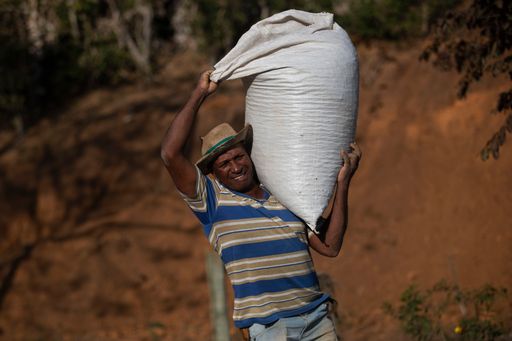
For Wanjiku Mwangi in Kenya, this kind of support is the tangible change that must follow the proclamation.
“A day of celebration is wonderful,” she says, packing a box of her roasted beans destined for a café in Nairobi. “It gives us a platform to tell our story.
But now, with the weight of the United Nations behind it, October 1st must become a day of action. A day for the world to remember that a sustainable future for coffee begins with a sustainable life for the farmer.”
Back in his Ethiopian field, as the sun climbs higher and the mist begins to burn off, Hailu Gebre looks out over his plants with a renewed sense of hope. He will celebrate October 1st. He will share a cup of his finest brew with his neighbors. But for him, the true measure of this new international day will be felt long after the last cup is drunk.
“We have always known the value of our work,” Hailu says, a quiet pride in his voice. “Now, the world has spoken it aloud. My hope is that October 1st is not just about celebrating coffee, but about celebrating the hands that make it possible. A healthy future for coffee begins with a healthy life for the farmer.”