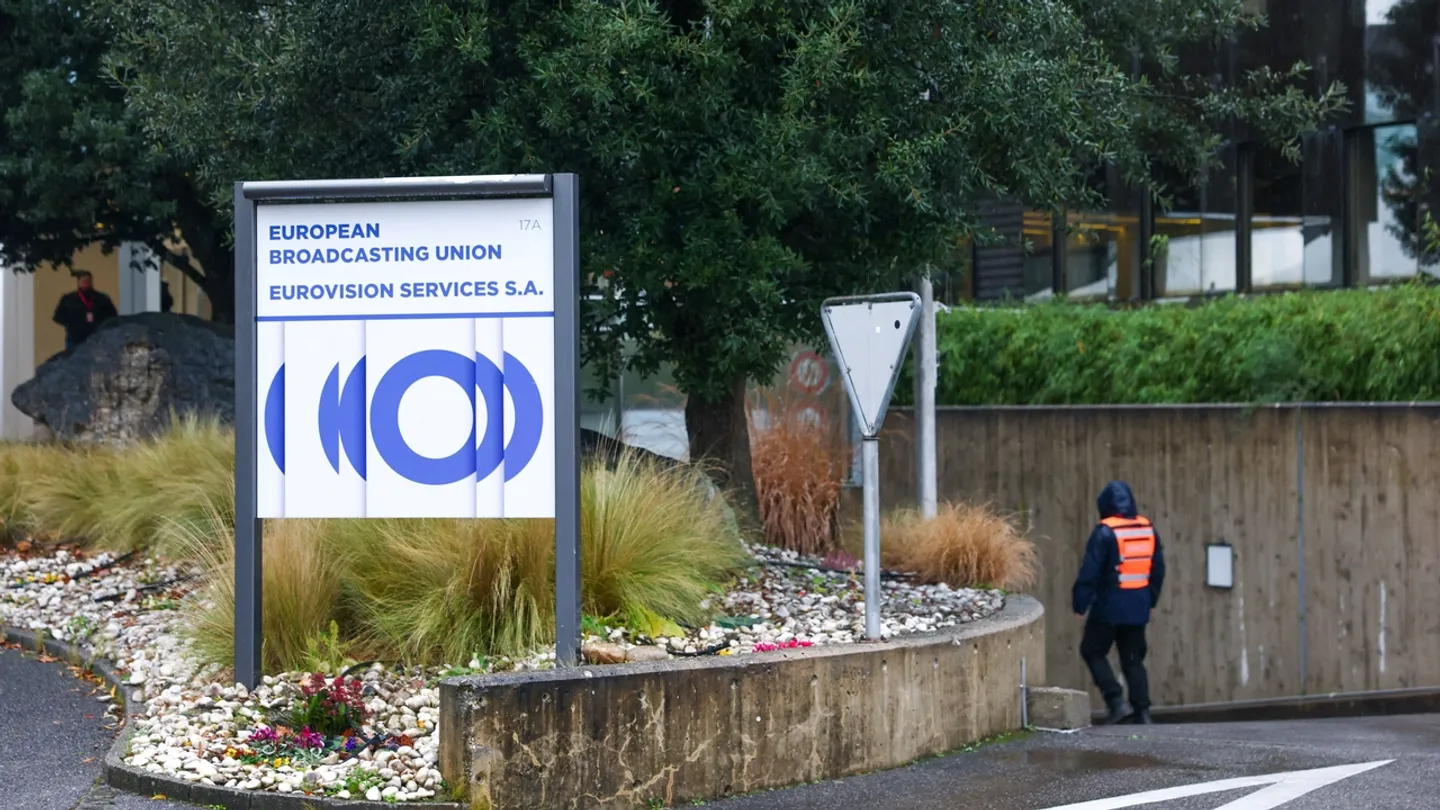
The 95th General Assembly of the European Broadcasting Union (EBU) in Geneva was dominated by debate over Israel’s place in the Eurovision Song Contest, as members discussed new participation rules and the status of Israel’s public broadcaster KAN for 2026.
Before voting began, members delivered statements on whether KAN participation should continue as Israel wages a devastating genocide in Gaza.
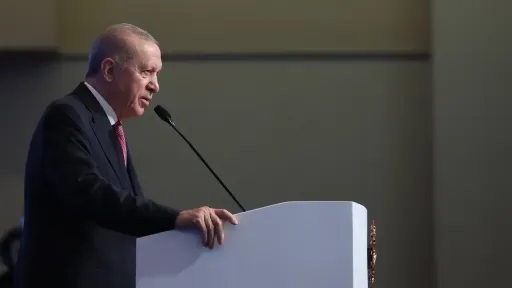
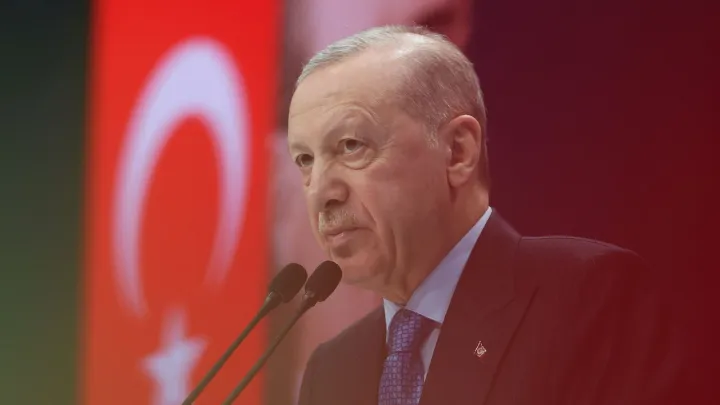
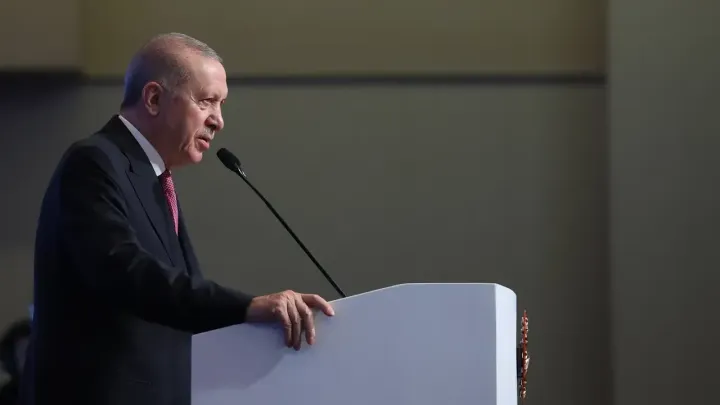
Speaking as one of the EBU’s founding members, TRT World’s parent organisation TRT said the situation in Gaza made Israel’s participation incompatible with Eurovision’s values.
"Like everyone in this hall, we at TRT have witnessed a decades-long persecution and a genocide unfolding before the world’s eyes," the delegation said.
"Since the so-called ceasefire began, dozens of children have been killed and aid still cannot reach Gaza safely. More than 270 journalists have been killed by Israel. Our stance is clear: allowing KAN to participate is neither appropriate nor compatible with the values of this contest."
More countries boycott
Ireland’s RTÉ echoed that position, saying: "Given the horrific loss of life in Gaza and the ongoing humanitarian crisis, we believe it would be unconscionable to participate if Israel’s KAN remains in the competition."
When the Israeli broadcaster took the floor, TRT representatives walked out of the hall in protest.
TRT and several other members objected to the vote being held openly and demanded a secret ballot.
In the end, the General Assembly approved new participation rules but decided not to hold a vote specifically on Israel’s inclusion.
German and Austrian members voiced open support for KAN, while broadcasters from Spain, Slovenia, Ireland and the Netherlands announced after the vote that they would boycott Eurovision 2026.
The dispute comes as Israel’s war on Gaza continues despite a US-brokered ceasefire, with Palestinian casualties mounting and international criticism widening across cultural, political and media institutions.