This week for Davos, Canadian Prime Minister Mark Carney give one speech wey no follow the normal summit talk, e show one hard geopolitical truth: the long-beloved “rules-based international order” don dey fade, no be because we small lose faith for am for one moment, but because e no really work the way we dey claim.
Carney diagnosis clear: wetin plenty governments still dey call international framework wey suppose get predictable norms na now world of big power rivalry, where economic integration, supply chains, trade networks and investment flows dey turn into weapon make dem pressure other countries.
E blunt warning na so e be: “middle powers must act together because if we’re not at the table, we’re on the menu.”
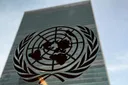
Words wey Carney talk touch people because dem reflect wetin many countries wey no dey among the big powers dey experience: institutions wey dem set up after World War II, like United Nations, no be reliable shield again against geopolitical pressure.
But as plenty global discussion dey concentrate on how U.S., China and Europe dey change their relationship, one big geopolitical transformation dey happen for Africa — the world youngest continent.
Africa’s Demographic Moment
Africa no different only because of economic potential, but because of how young population be. Median age for the continent na about 19 years. Around 60 to 70 percent of people for sub‑Saharan Africa dey under 30, and this fact dey shape work market, innovation, political mobilisation and how countries dey cooperate for the region.
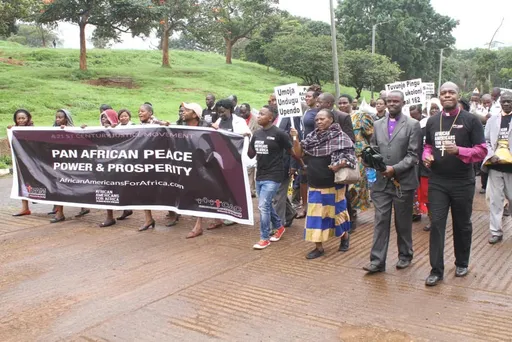
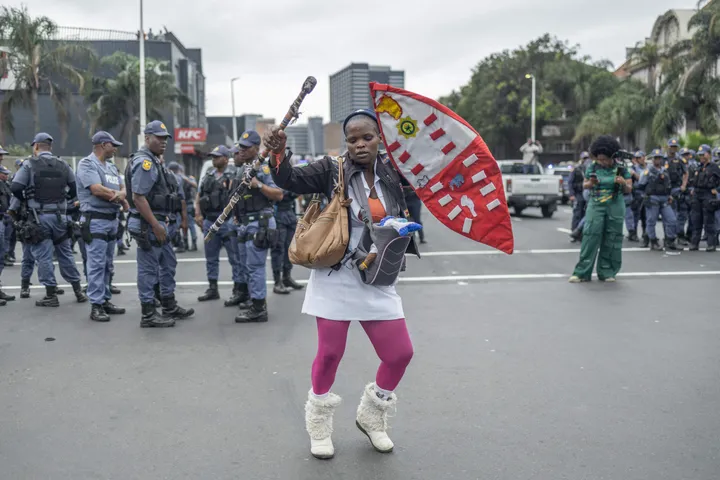
This youth‑heavy situation get big opportunity and big risk. Large young workforce fit turn to demographic dividend wey go push innovation, productivity and entrepreneurship. But if job, education and political inclusion no dey, e fit bring discontent, instability and violence. For many parts of Africa, young people don dey push more for democratic accountability and economic chance, from protests for East and Southern Africa to political movements for West Africa.
Old global order give some promises — development loans, trade preferences and technical cooperation — but many times dem no fit close the structural gaps wey affect young people for Africa. The new geopolitical situation dey call for African agency wey fit set and defend Africa own agenda, instead of always dey follow external powers.
How Things Dey Shift: From Global to Regional Frameworks
If Carney dey correct and the multilateral system dey lose im binding power, then world dey move toward regional ways of cooperation and governance. For Davos, middle powers dey talk less about how to restore the old system and more about building coalitions and sovereign resilience.
For Africa, regional institutions don already become central to political and economic strategy. The African Union (AU) and the sub‑regional communities like ECOWAS, COMESA and SADC dey try deepen integration, coordinate policy and support collective responses to security and development challenges.
Through initiatives like AfCFTA — the African Continental Free Trade Area — the continent dey try reduce internal barriers and build regional market wey get over one billion consumers. But the agreement still get big implementation problems, like gaps for infrastructure, need to harmonise regulations and uneven capacity among countries.
As multinational institutions dey weaken under the pressure wey big powers dey put, regional bodies fit deliver governance wey better match local needs. Regional cooperation fit improve how countries respond to conflict, handle public health emergencies and deliver collective public goods more fairly than overstretched global institutions.



Why Africa Must Lead and Not Follow
For Africa this moment be crossroads. The continent political voice — from AU representation for U.N. reform discussions to how e dey appear for climate negotiations — still small compared to the population and economic weight wey Africa get.
Egypt president Abdel Fattah el‑Sissi recently call for UN Security Council reform make Africa get more representation for global decision‑making bodies, and this show the mismatch between Africa population and the global voice wey dey represent am.
If the era of automatic global frameworks dey finish, then Africa must invest to strengthen regional cooperation — not only for economics but also politically and institutionally. A strong AU wey get enforcement mechanisms, clear foreign policy platforms and capacity for collective action go give African countries more leverage and autonomy for a fragmented world.
For system where rules no fit be trusted, trust go build through shared interests and mutual accountability. Regional cooperation fit build that kind trust in ways wey global frameworks no fit do.
A Future Defined by Agency
Carney speech signal say time of illusion don end and e call for realism. But realism no mean make person dey cynical. The world no dey go back to total chaos; e dey reorganise. For this reorganisation, regional actors and young societies go shape the next decade of global politics more than many analysts think.
For Africa, with young population, growing markets and emerging institutions, this no time to sidon look. Na time to build resilient regional structures, put money for young leadership and stand for values wey reflect African realities instead of just following outside expectations.
The end of pretending fit be the beginning of more honest and more fair global order.
The author, Nhial Deng, na multi‑award winning youth advocate and systems innovator wey dey work for the junction of artificial intelligence, social impact, geopolitics and youth leadership.
Disclaimer: The views wey the author express no necessarily represent the opinions, viewpoints or editorial policies of TRT Afrika.