Amongst the tori wey draw plenti people online na the story of Halima Cissé — woman from Mali wey deliver nine pikin for May 2021.
Plenty people follow her tori with surprise or even joy, because for many Africans, to get pikin na blessing, but to get many pikin like that at once na special blessing. Na something to celebrate.
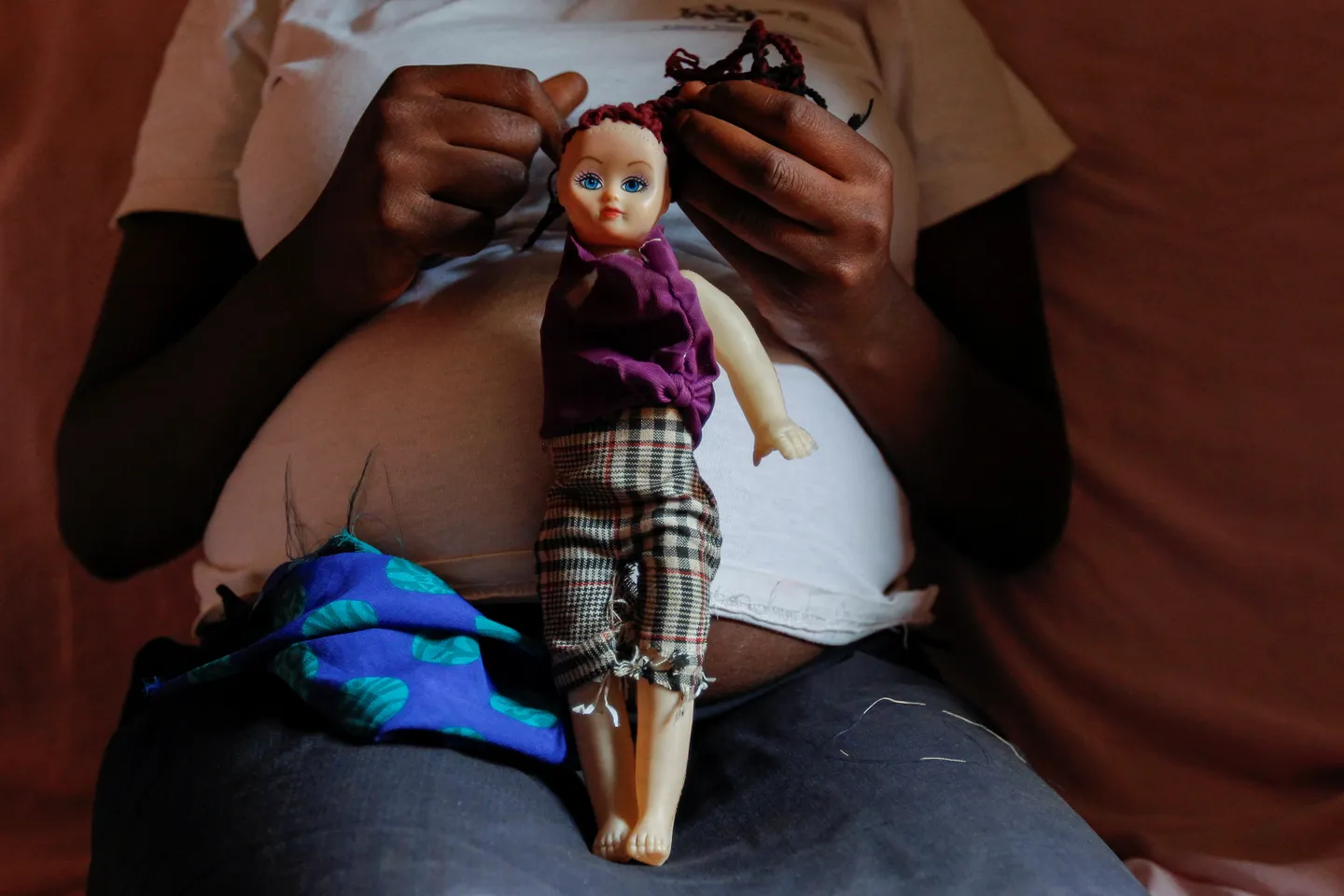
You go still dey hear say some African family dey get many pikin, either one woman deliver many children or because polygamy dey. But even with that picture, plenty married people dey suffer silently — na infertility/difficulty to conceive.
"Some people dey believe say Africa no get problem with reproduction," Dr Wanjiru Ndegwa, adviser and fertility specialist at Footsteps To Fertility Centre, Nairobi, Kenya, talk.
She tell TRT Africa say: "I attend one conference recently and one senior professor from Germany suggest say funding for fertility work for Africa no suppose dey prioritised because this continent already get plenty people. You fit imagine how I shock."
Experts talk say population number for country or continent no be enough sign for fertility status. Country fit get many people but still get many wey get fertility problems.
World Health Organization (WHO) define infertility as the failure to achieve pregnancy after 12 months or more of regular unprotected sex. Dem estimate say e fit affect one in six people of reproductive age at some point for their life.
"Infertility na one of the public health challenges wey no dey get enough attention around the world," Dr Tedros Adhanom Ghebreyesus, WHO Director-General, talk. "Millions dey face this lonely journey — dey excluded because care too expensive, or dem dey pushed to cheap treatments wey risky and no proven, or dem force to choose between their hope for children and their financial security," Dr Tedros add.
WHO don release the first ever global guidance on infertility.
The agency talk say this guidance get 40 recommendations wey aim to strengthen prevention, diagnosis and treatment of infertility. E give affordable options for every stage and call for integration of reproductive services inside national health, service and financing plans.
Experts say the guidance show for a timely moment.
"We dey lack everything for real. We no get enough specialists wey sabi manage infertility. We no get enough In Vitro Fertilisation (IVF) centres, we no get embryology experts. For our side for Kenya we lack embryologists and no institution dey wey train that kind people," Dr Wanjiru talk.
Under WHO guidance, dem recommend better clinical governance steps for infertility. Dem also call for more investment in prevention, including education about reproductive health and infertility — things like age, school-based services, primary health care and fertility health centres.
Stigma for community


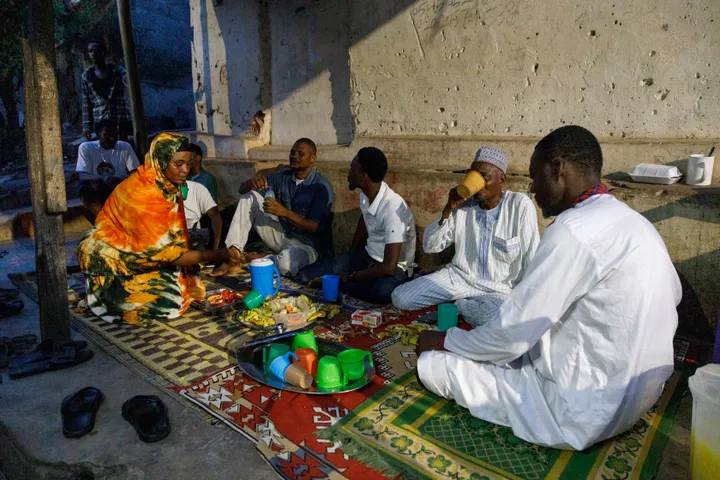



One big challenge of infertility be the pressure wey come from community especially on couples. Women often dey blamed for no dey conceive inside marriage, and experts criticise this blame as ignorant stigma.
"Remember say for infertility, no be only the couple wey dey affected but the whole community because of the stigma wey couples face," Dr Wanjiru tell TRT Africa. "Even today, before wedding, the woman dey feel heavy pressure: 'We don like your degree but now we want you to build family.' For family environment e still hard," she add.
Still, Dr Wanjiru say dem don notice big increase of men wey dey seek advice or treatment for their clinics, showing say more men dey understand say the problem fit come from their side or say solution need involve both.
Options for solution
WHO guidance emphasise the need to address risk factors for infertility, including untreated sexually transmitted infections and tobacco use. Lifestyle changes — better diet, regular exercise, and stopping tobacco — dem recommend for individuals and couples wey planning or trying to conceive. Early education about fertility and infertility fit help people plan family better.
But wetin be the right time to check or find help for fertility?
"I don see couples wey don dey together for one month and dem dey worry say e never happen this month, but e no suppose be like that. We need at least one year to try and live together before we start to worry. I no think say everybody need to rush for early tests every time," Dr Wanjiru advise.
Recognising the psychological impact of not being able to conceive — wey fit cause depression, anxiety and feelings of exclusion — WHO guidance stress say continuous access to psychological support must dey for people wey affected.
WHO encourage countries to adapt their national policies and track progress. Successful implementation go need cooperation between Ministries of Health, professional health associations, civil society and patient groups.
For now experts talk say treatments dey and solutions dey, but availability and suitability depend heavily on the specific reason why a person or couple cannot conceive.
"Solutions dey but dem no dey easy to get or acceptable for everybody. E really depend on wetin cause your infertility be," Dr Wanjiru say.