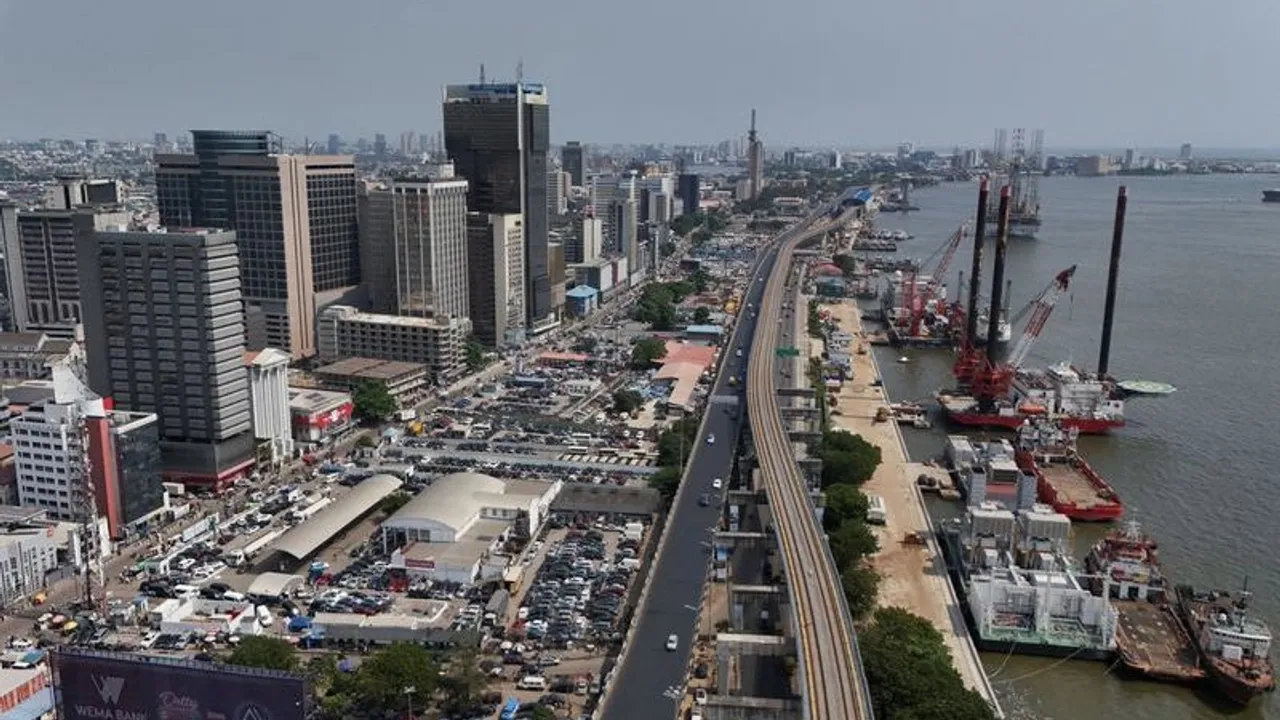
Finance Minister Wale Edun talk on Thursday say Nigeria don enter one phase of economic consolidation after two years of reforms wey help steady inflation, stabilise the currency and boost investor confidence.
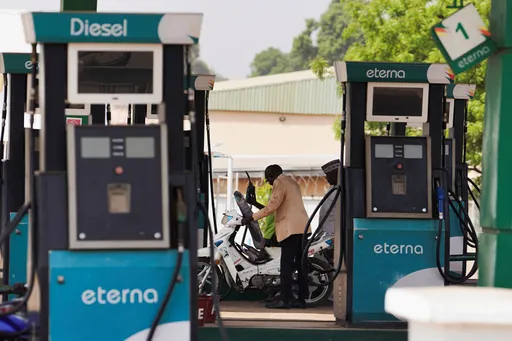
Since e take office for 2023, President Bola Tinubu don roll out one of Nigeria most ambitious economic overhauls for decades: e end costly fuel and energy subsidies, devalue the naira two times and change the tax system to strengthen public finances.
For the launch of a national economic outlook report for the new year, Edun say Nigeria don reach a turning point after one challenging transition wey subsidy removal and exchange-rate unification mark.
Inflation don ease to 14.45% in November from 33.18% one year earlier, and the naira don firm under 1,500 per dollar, Edun add. E say growth average 3.78% for the first nine months of 2025 and foreign reserves don rise to $45.5 billion. The stock market also jump nearly 60% year‑on‑year.
Treasury control dem
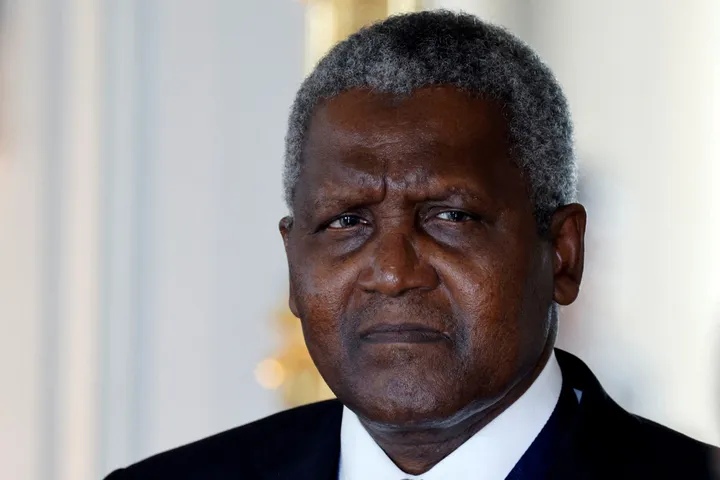






Edun talk say Nigeria no fit pause or retreat. The work now na to turn stability into steady, long‑term growth wey everybody go benefit and wey go create plenty jobs.
E forecast 4.68% growth for 2026, with inflation averaging 16.5% and the naira stabilising at around 1,400 per dollar. E try calm concerns about Nigeria 152 trillion naira public debt, saying the jump reflect more transparency and exchange‑rate adjustments rather than new borrowing.
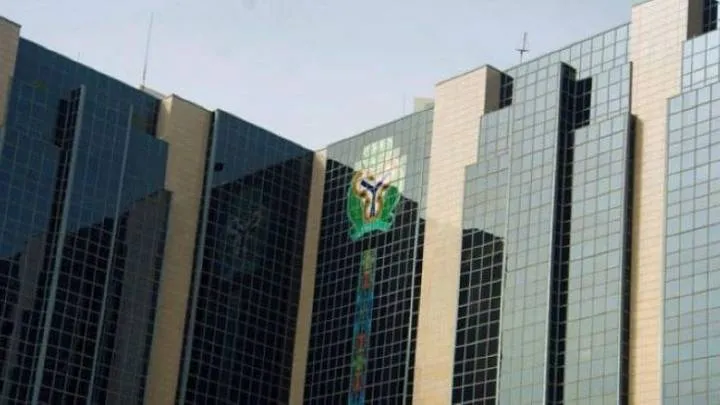
E say 30 trillion naira represent unrecorded central bank "Ways and Means" support and 49 trillion naira come from forex revaluation. Even so, e say Nigeria debt‑to‑GDP ratio dey 36.1%, wey dey below regional and global averages.
Reforms this year go target digitalising revenue collection, stricter treasury controls and pro‑poor tax measures to cushion low‑income households.