Millions of Africans with the wherewithal to build wealth through farming is a vision close to Aliko Dangote's heart.
At the 23rd Doha Forum from December 6 to 7 in Qatar's capital, Africa's richest man told a distinguished gathering that transforming perceptions about farming from poverty alleviation to economic opportunity could reshape livelihoods across the continent.
The message aligned with the theme of "Justice in Action: Beyond Promises to Progress", bringing together Presidents navigating post-conflict reconstruction, education advocates documenting school attacks, and business leaders pushing for investment where it matters most.
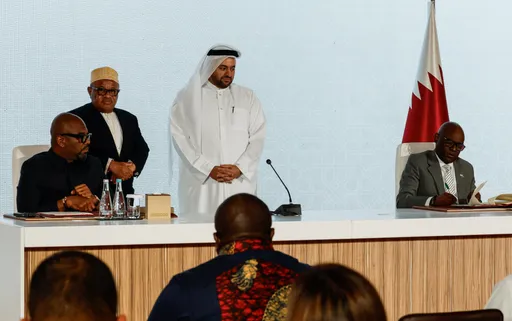
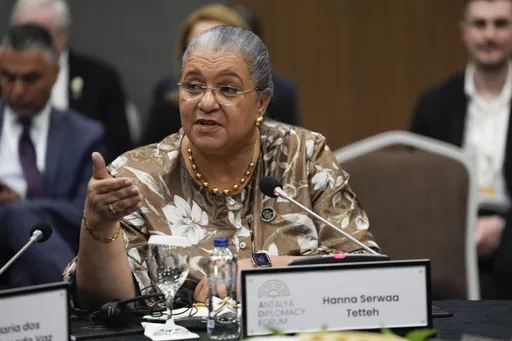
Hosted by Qatar's Emir, Sheikh Tamim bin Hamad Al Thani, the two-day gathering at the Sheraton Grand Doha drew over 5,000 participants from more than 160 countries.
But it was the African dimension – from agricultural transformation to education in conflict zones – that underscored the forum's push for tangible outcomes rather than diplomatic niceties.
African solutions
President John Dramani Mahama of Ghana and his Syrian counterpart Ahmed al Sharaa were among the leaders who engaged with Qatari authorities and delegates from various parts of the world on interconnected crises.
The discussions ranged across politics, environment and social challenges, with African development consistently at the forefront.
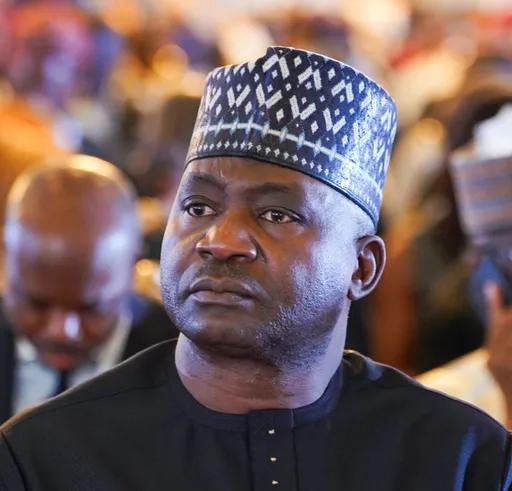
Dangote made a strong case for scaling up investment across Africa's critical sectors, particularly agriculture.
"For a long time, many people thought that agriculture was only for poor people," he told the forum. "That is not true at all. That is why we intend to give millions of people the means to improve their living conditions and create wealth through agriculture."
Education under attack
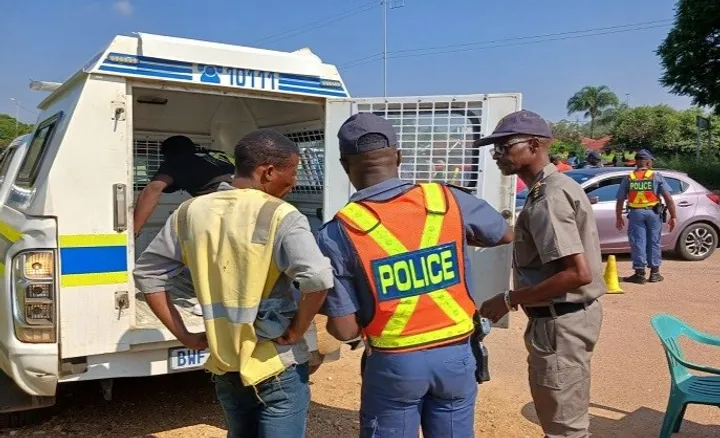
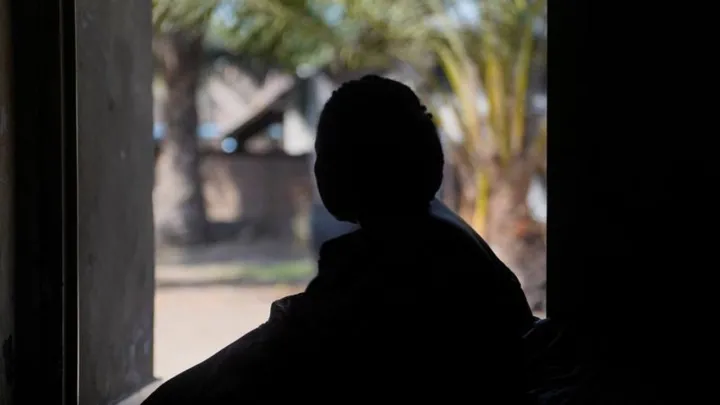

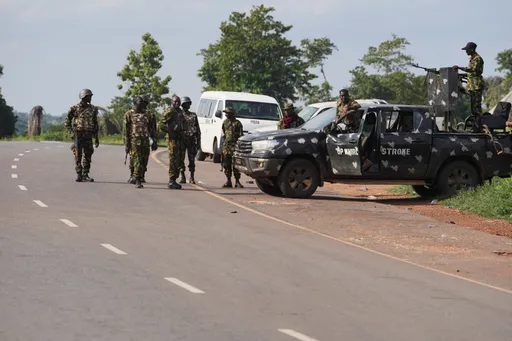
Delegates also zeroed in on the challenge of ensuring education access in some regions, including Africa, due to chronic underfunding or attacks by militia in countries like Nigeria.
Dr Maleiha Malik, executive director of the Protect Education in Insecurity and Conflict (PEIC) programme at the Education Above All Foundation, outlined some immediate priorities.
"Conflicts are a priority on our agenda," she said, citing the situation in the Democratic Republic of Congo, Cameroon and Mali.
"As we have seen with the recent attacks on girls' schools in Nigeria, these disruptions are still at an unacceptably high level. We want to see this threat reduced to zero, and we are taking action to achieve this."
Dr Malik pointed out that poverty is invariably at the heart of any education crisis.
"It is impossible for children to learn properly when they are hungry or have to walk miles to get to school," she said. "We have started projects with the African Union based on an approach that integrates ideas coming from the beneficiaries themselves."
Partnership and action
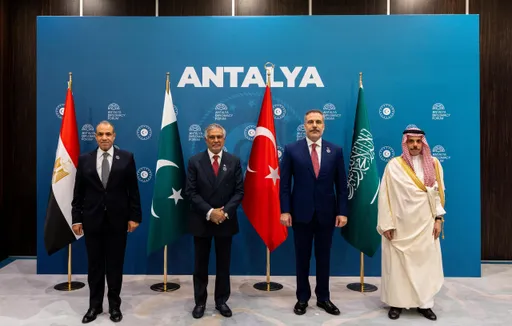
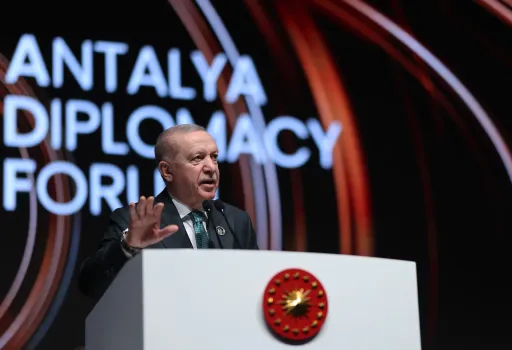
Türkiye's foreign affairs minister Hakan Fidan reaffirmed Ankara's commitment to conflict resolution while reminding the world that restoring peace and a semblance of normalcy in places like Gaza and South Sudan requires sustained diplomatic engagement.
Fidan's remarks set the tone for the forum's recommendation to do more than just acknowledge the cocktail of crises – political, social, humanitarian and climate-linked – roiling parts of the world.
The emphasis now shifts to preserving and improving lives through policies that move beyond rhetoric, especially in regions bearing the brunt of overlapping emergencies.