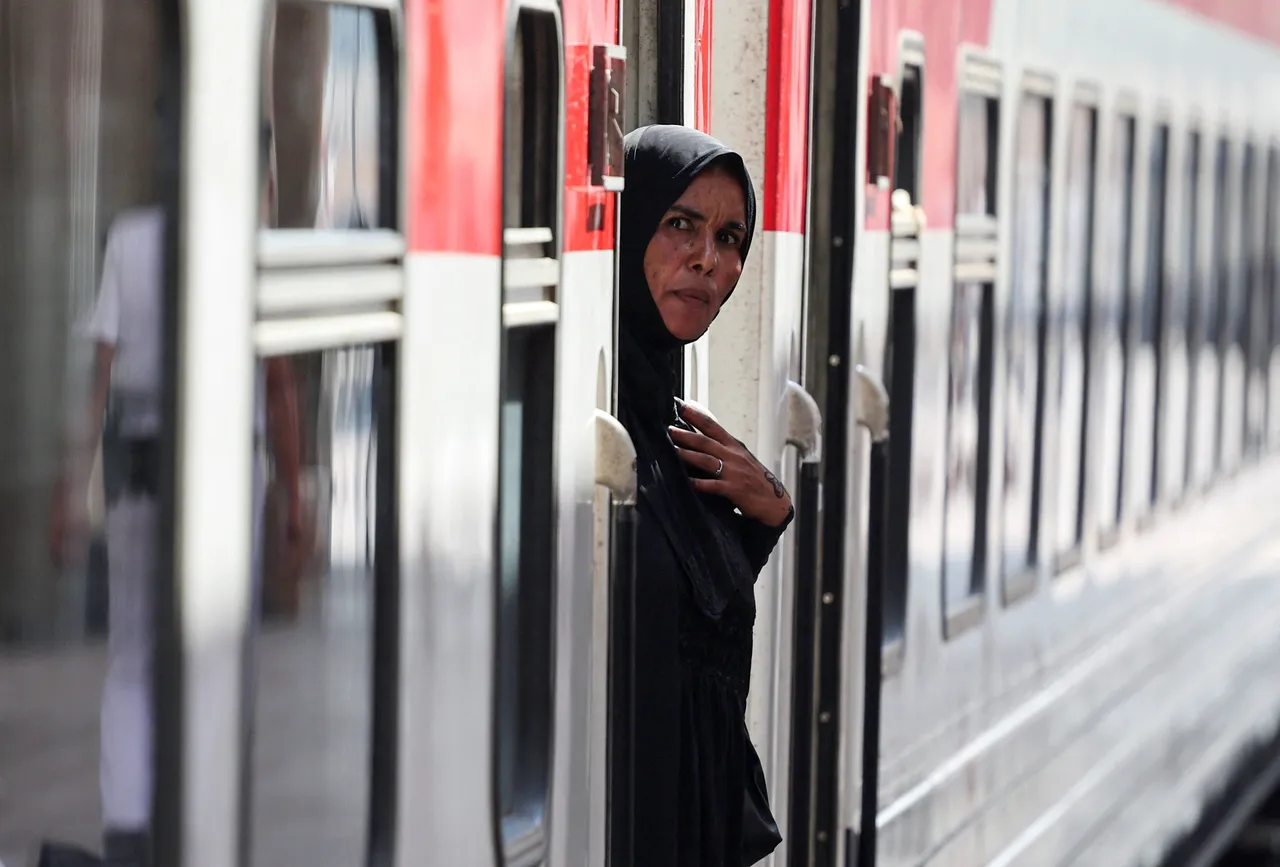
E.M. Forster 1910 novel Howards End start wit one short line wey dey tell everybody "Only connect". But wetin dey happen when the kain way wey people dey connect begin tear?
Earlier dis year, ex-Kenyan health minister Dr Cleopa Mailu waka meet one uncomfortable truth: near quarter of Africa people — 24% — talk say dem dey lonely, and na di youths wey dey 13 to 17 years old dey suffer pass.
Di figures dey inside global report wey World Health Organisation (WHO) Commission on Social Connection publish, and e almost opposite wetin Mailu bin de expect.
E bin always think say loneliness na wata wetin for West, and say Africa — wey get culture of extended family and community living — go dey immune.
Strangely, di latest WHO report show say, compared to Africa, only about 10% of people for Europe say dem dey lonely.
"I assume say all dis kain thing dey happen for Global North, and say we dey all right here," Mailu tell TRT Afrika. "But when you look deeper and you see how our social fabric don scatter for the last 70 to 80 years, na so you go begin understand why."
Disconnect unravels
Sociologists talk say westernisation don change African lifestyle for ground, and these changes don dissolve the bonds wey dey hold communities together before.
"Small time wey pass, if you be pikin wey dey grow for village, your mama no go need wahala about where she leave you. Grandmother or neighbour for dey watch the child. Mama go fit do her work without fear. Now e no dey possible again," Mailu yarn.
"Today, if you carry your children go village, dem go stress because dem no fit even yan with their grandmother."
WHO define loneliness as di painful feeling wey show when there dey gap between di social relationship you want and di one you get; social isolation na di objective lack of social ties. Dem fit exist separate — you fit dey among people but still feel alone.
"You get work for computer room for example. From 8am to 5pm you dey alone with machines. When you return house, you dey alone for your apartment," Mailu explain.
Economic migration make matter worse. People dey leave family go live for new cities or even abroad, dem go dey close up if dem no sabi anybody for there and fit no sabi the local language.
"Nowadays, even neighbours no sabi each other," Mailu tell TRT Afrika.
Silently brewing epidemic
Even though loneliness fit affect any age, young people dey more vulnerable.
"Even for this digital world wey everybody dey connect, plenty young people still dey feel alone. As technology dey change our lives, we must make sure say e dey strengthen human connection, no to weaken am," Chido Mpemba, wey be co-chair of the WHO Commission on Social Connection, talk.






Health wahala wey dey follow loneliness and social isolation serious wella: dem fit raise risk of stroke, heart disease, diabetes, brain sharpness loss and even early death.
Di report talk say lonely people get double chance to get depression and dem fit face more anxiety and suicidal thoughts.
WHO connect loneliness to about 100 deaths every hour, wey be more than 871,000 for one year.
On the other hand, strong social connections dey protect people for life: dem fit reduce inflammation, lower risk of serious sickness, and help mental health and longer life.
"If we tackle the decline of social connection and mental health, the money wey go dey spend to treat common sickness go reduce well," Mailu talk.
Medical research show say social connections dey trigger feel-good hormones wey dey help general health and wellbeing.
Competing priorities
WHO dey urge governments, communities and individuals make dem treat social connection as public health priority wey get real development impact. But Mailu worry say e go hard to make political leaders put social connection first when dem dey face other obvious needs.
"You go end up for wetin you neglect. E be like car wey you never carry go service. E fit kpafuka, then you go kolo to fix am. Na so nations go pass if dem no act," na so him tell TRT Afrika.
Some countries don dey see di danger. For UK, Norway and Japan, dem get ministers for social wellbeing wey dey handle loneliness and social isolation through special programmes.
Shift in social mindset
"To invest for social connection no always mean say you need plenty new money," Mailu talk. "E dey need reorientation. I no need money to connect with my neighbour; I just need my mind to change make we fit interact."
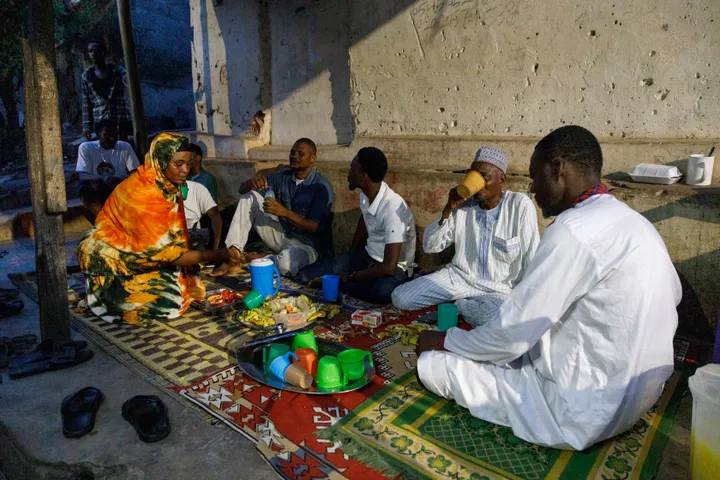
WHO dey encourage people and communities to build culture of connection. For some Asian communities, multi-generational households still dey common, and that kain life dey naturally boost social connection.
"Some of us don comot some of these structures because we think say dem primitive. But na there the solution fit hide," Mailu talk.
For Africa wey traditional structures don slowly lose ground, to focus on building social amenities like community halls for estates fit help fight the loneliness problem.
"We need to embrace the future with the infrastructure wey go help us survive, integrate and get mental peace," Mailu tell TRT Afrika.