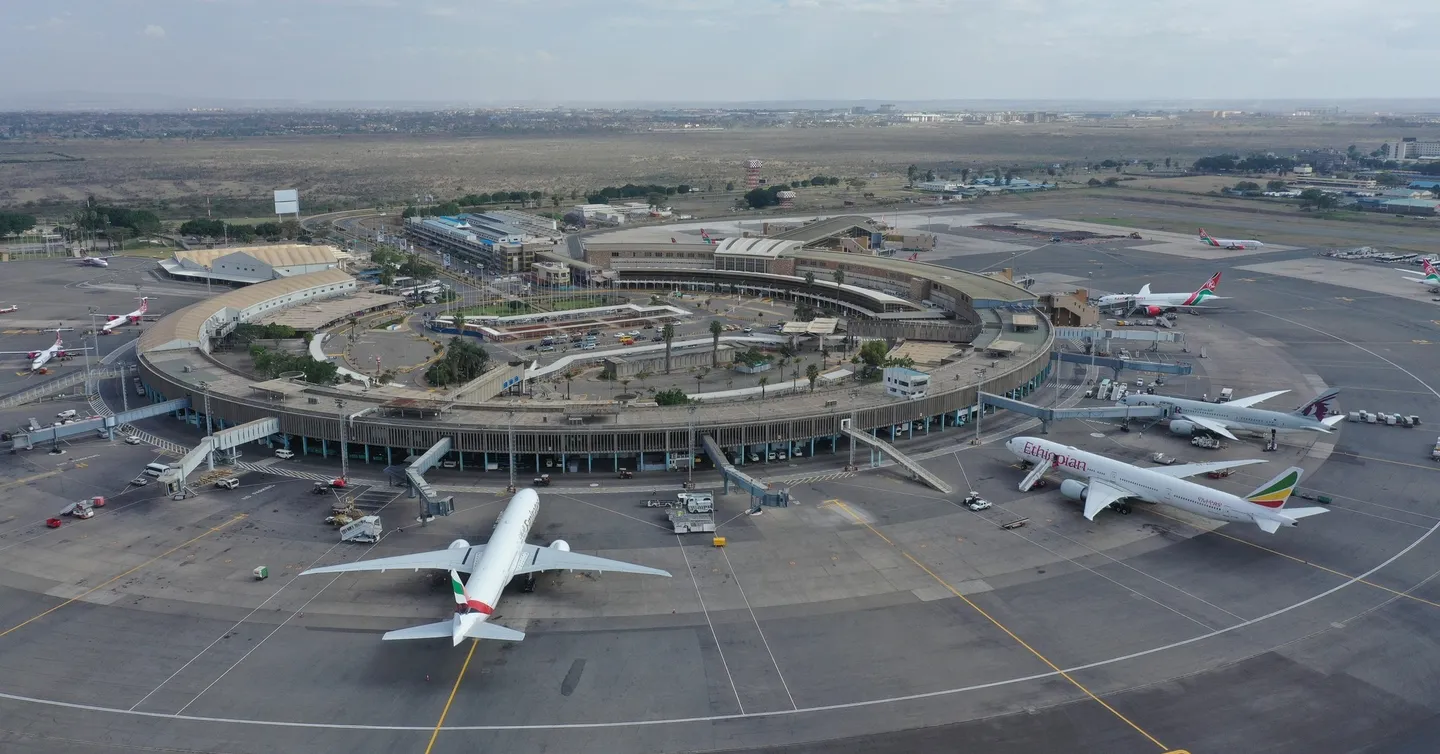
Nairobi's Jomo Kenyatta International Airport (JKIA) is buckling under the strain of a five-fold increase in footfall over the past four decades.
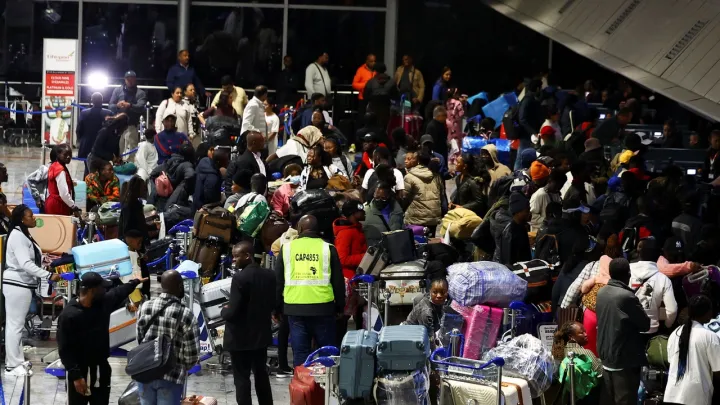
Built in 1978 to handle two million passengers a year, Kenya's largest airport now receives nearly ten million travellers. As Kenya Airports Authority (KAA) chairman Caleb Kositany puts it, the situation has become "almost unbearable" during peak hours.
"From 10am to 2am, you will find the airport clogged with vehicles outside, passengers inside, and aircraft on the tarmac," he tells TRT Afrika.
Kositany, who was in Türkiye recently on a private visit, gushes about how the new Istanbul Airport encapsulates everything that modern civil aviation infrastructure should be. Describing it as a "fantastic facility" with impressive integration of technology, he hopes Kenya will be able to follow the template as it looks to upgrade Nairobi airport.
As Kenya prepares to open bids for JKIA's much-awaited expansion, Türkiye has emerged as the frontrunner for partnerships to create the infrastructure the East African nation needs.
KAA's interest in partnerships with Turkish investors to overhaul the country's creaking aviation infrastructure stems from Türkiye’s credentials in airport development.
"We have a lot to learn," says Kositany, noting that Türkiye's advanced aviation technology offers a blueprint for Kenya's expansion plan. "I think IGA Istanbul Airport is currently handling 85 million passengers, with a forward projection of 135 million by 2032, which is a major achievement."
In contrast, JKIA needs rapid-exit taxiways to clear runways faster and a second runway to meet surging demand for flights to and from Nairobi.
"We have long surpassed what the airport was built for," says Kositany of the original design. "We are now handling over nine million passengers with our capacity stagnant at two million."

Kositany confirms that Turkish companies have already made inquiries about the airport project. "I would say that we have received many requests already. It's no secret that Kenya needs to upgrade its airport infrastructure. We are going to consider all potential partners and possibilities," he says.
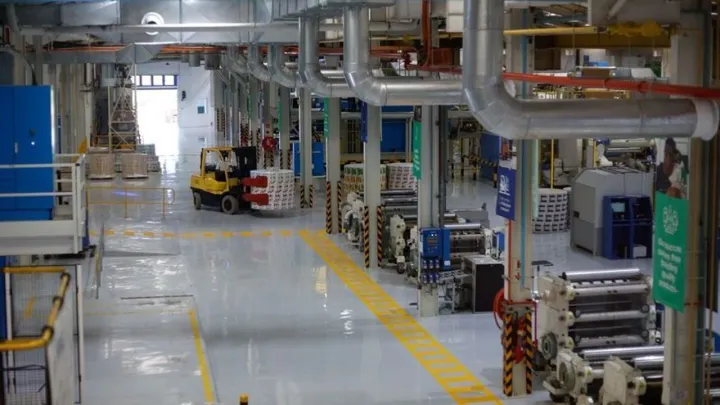
The partnership discussions extend beyond runways. Kositany reveals that talks are at an advanced stage with Turkish companies to establish textile manufacturing units in Kenya.
"We always go there to shop. A lot of our textiles – the best suits, the finest trousers…indeed, all garments – are made in Türkiye," Kositany tells TRT Afrika. "We are looking at bringing that manufacturing expertise to Kenya's textile industry."
Kenya is also exploring the potential for collaboration with Türkiye on dairy technology and aviation fire-safety training.
Grounded projects
Two previous attempts to upgrade JKIA didn't take off – the 2012 Greenfield Project and the more recent proposal by India's Adani Group.
KAA is now preparing to release an "expression of interest" to attract new international partners, remaining open to public-private partnerships or build-operate-transfer models.
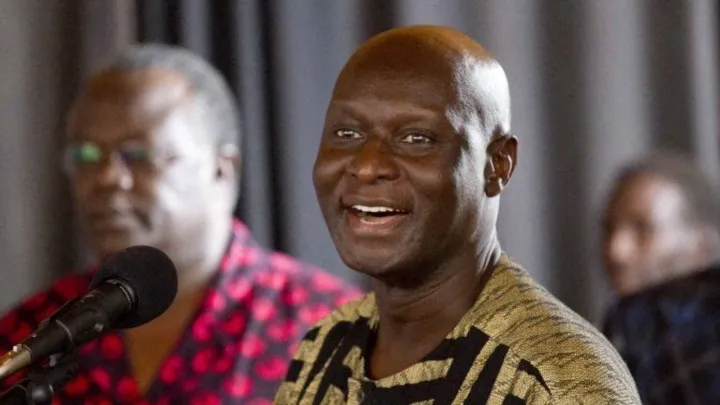





Kositany spells out that Kenya won't entertain what he calls "briefcase investors" who secure contracts before arranging funding.
"We want somebody to come with ready finances. If we sign today, break ground tomorrow," he says.
Alongside construction, KAA plans immediate improvements in passenger comfort. Modern scanners will eliminate the need to remove shoes during security checks while facial recognition systems will replace physical ID verification, streamlining passenger flow through the terminal.
Turkish footprint
Kenyan officials are looking at Turkish success stories across West Africa, where construction firms from Türkiye delivered best-in-class infrastructure like Senegal's Blaise Diagne International Airport in record time.
Türkiye also helped modernise Niger's Diori Hamani International Airport ahead of the African Union Summit.
Turkish involvement in African aviation extends beyond infrastructure. The country's national carrier, Turkish Airlines, now flies to more destinations on the continent than any other non-African airline. The route map includes 65 destinations across 41 countries.
The first fortnight of December saw Turkish Airlines chairman, Prof Ahmet Bolat, and South African Airways' CEO, Prof John Lamola, sign a strategic codeshare agreement in Geneva, expanding African travellers' access to global routes via Istanbul.
Kenya's neighbour Tanzania already benefits from Turkish operational expertise. Çelebi Aviation, a global ground-handling company, operates at Julius Nyerere International Airport in Dar es Salaam. In Somalia, Turkish firm Favori has managed Mogadishu's Aden Adde International Airport since 2013.
Regional network
JKIA, already East Africa's busiest airport, aims to expand capacity to 31 million passengers by 2055. The hub is complemented by Moi International Airport in Mombasa, which recently underwent a multi-million-dollar upgrade to support round-the-clock operations and direct international charters for tourism.
Beyond these major gateways, Kenya's aviation network serves strategic economic functions. Eldoret International Airport in Uasin Gishu County operates as a cargo hub for fresh North Rift produce meant for export.
Kisumu International Airport, the country's third busiest, has been upgraded with modern air traffic control systems to anchor logistics for the Great Lakes region.
Isiolo International Airport supports the Lamu Port-South Sudan-Ethiopia Transport (LAPSSET) corridor while domestic facilities like Wilson and Diani round out an aviation network that Kenya is positioning for international partnership and investment.
"We have a lot of work to do. We want to give Kenyans the best possible infrastructure, and Türkiye is one of the key options we will be looking at because they already have infrastructure that is quite impressive," Kositany tells TRT Afrika.