For the first time since many years, Amina Lawal pikin dem sleep through one rainy season without fall sick. Amina, 32-year-old mama wey get three pikin for northern Nigeria, dey grateful for the mosquito net wey get two active ingredients wey she receive last year — na part of new malaria-prevention tools wey dem dey distribute for her area.
"Every rainy season dey carry fear of mosquito-borne sickness," Amina tell TRT Afrika. "The new net and the vaccine wey my pikin dem collect for the clinic now feel like real shield. We dey sleep in peace."
Healthcare agencies dey spread this new safety net wey combine regular pyrethroid insecticide with second active ingredient like chlorfenapyr or pyriproxyfen across malaria-endemic parts of Africa.
World Health Organisation (WHO) mention for their annual World Malaria Report say newer tools like these dual-ingredient nets and the malaria vaccines wey dem recommend help prevent about 170 million cases and one million deaths in 2024 alone.
From 2021, up to 24 countries don introduce malaria vaccines into their child immunisation programmes.
Seasonal malaria chemoprevention — another strategy wey dey give pikin dem for endemic zones like the Sahel monthly dose of anti-malarial drugs — don help protect 54 million pikin every year across 20 countries. For 2012, number wey benefit from am na just about 200,000.
Small number of countries don already eliminate malaria and some dey within reachable distance of the goal. WHO certify Cabo Verde and Egypt as malaria-free in 2024. Georgia, Suriname and Timor-Leste join the list this year, make total reach 47 countries and one territory.
Worry pockets
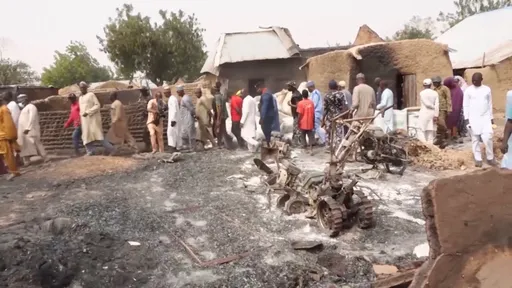
Even with these encouraging signs, some parts of the continent dey report wetin community health worker John Mwangi call an "alarming shift" for malaria patterns.
"The medicines no dey work like dem use to," Mwangi, wey dey work for the highlands of western Kenya, tell TRT Afrika.
"We get pikin dem wey dey come and dem dey give dem the usual treatment, but fever still dey remain. E dey take longer to recover now. E be like say both the mosquito (vector) and the parasite dey adapt. We dey run one race wey the finish line dey move."
What Mwangi observe na the main concern for this year report. Even with the life-saving impact of new tools, about 282 million malaria cases and 610,000 deaths dem record in 2024 — na nine million more cases pass the year before.
Africa account for 95% of those deaths, most of dem pikin under five. Even more worrying, the foundation of malaria treatment dey under threat.
WHO report say anti-malarial drug resistance, mainly around artemisinin derivatives, don confirm or dem suspect am for at least eight African countries.
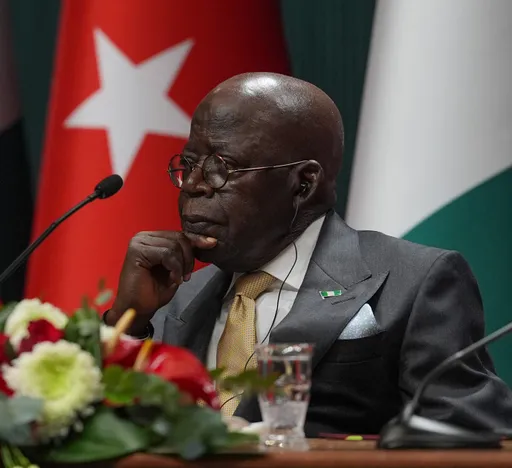
"New tools to prevent malaria dey give us new hope, but we still face significant challenges," na so WHO director-general Dr Tedros Adhanom Ghebreyesus talk.



E still warn say rising cases, drug resistance and cuts for funding fit roll back two decades of progress.
Apart from drug resistance, rapid diagnostic tests dey become less reliable because parasite don dey mutate. Insecticide resistance for mosquitoes don spread well too.
Anopheles stephensi, one tough mosquito species, don become the main cause of malaria for nine countries for the continent.
Extreme weather events and conflict na extra risk factors — one dey help outbreaks spread, the other dey cripple health systems.
Lack of funding
For the whole world, US$3.9 billion go into malaria prevention in 2024, but e still less than half of the US$9.3 billion target.
"The World Malaria Report dey show say drug resistance dey increase. Our response must be equally strong," Dr Martin Fitchet from the open-source research organisation Medicines for Malaria Venture talk.
E point to the development of the first non-artemisinin combination therapy as the beginning of a "new chapter in malaria resilience."
The road forward, as WHO report outline am, need stronger "country-led, partner-enabled" response wey go turn political commitments like those for the recent Yaoundé Declaration into action and resources.
The fight dey focus on scale up distribution of life-saving tools wey dey work now, while dem still dey innovate to stay ahead of drug and insecticide resistance.
For Amina for Nigeria, the new tools mean quiet night. For John for Kenya, dem sabi be fading hope unless reinforcements show. The million lives wey dem save last year prove say malaria-free future fit possible.
"We finally get shield," Amina tell TRT Afrika. "We dey pray make e no break."