E don reach 58 years since Somalia President for that time, Aden Abdulle Osman, calm accept say e lose election and hand over power to Abdirashid Ali Sharmarke — na dis one people sabi as Africa first peaceful transfer of power.
For this December 25, Mogadishu democratic waka dey change again as country go hold im first direct vote since that time, and e come as President Hassan Sheikh Mohamud term near finish for May 2026 and parliament mandate go finish one month before.
Dis move to one-person-one-vote election, first for near six decades, na break from the indirect system wey Somalia don dey use since 2012, after country return to electoral politics following two decades wey state collapse.
But the move no free from wahala; main gbege na say opposition dey threaten to start an "alternative electoral process" as dem dey push for wider dialogue about the country's democratic roadmap.
Burden wey dem inherit
Even though Somalia journey reach this point start from that peaceful 1967 transfer of power wey former President Abdulle Osman do, wetin happen for the years after still affect how the country dey today.
Two years after e take office, dem assassinate Sharmarke, and dis open road for a coup d'état wey stall democratic progress for decades. The two controlled, single-party elections for 1979 and 1984 were small blips rather than real attempts to restore democracy.
E no reach until about 13 years ago that Somalia hold im first proper election since that turbulent era. The process involve parliament wey traditional elders elect, wey mark the start of effort to institutionalise an evolving indirect election model.
The 2016 election different from the 2012 one: 14,025 delegates elect members of the Lower House, known as the House of the People. By 2022, the number of delegates don increase.
For this system, the 275 elected members of the People's Assembly together with the 54 members of the Upper House collectively elect the President.
The indirect process get strict protocols. Clans submit their list of delegates to the Federal Election Independent Commission, beginning with the registration of 135 elders tasked with selecting the MPs.
Each seat must be contested by at least two aspirants. Elections for MPs are held within regional administrations, except for those representing Somaliland and Banadir, which take place in Mogadishu.
Once the federal member states and clans finalise their representatives, the lists are verified and sent to the capital. On conclusion of the polls, the President-elect appoints a Prime Minister within 30 days, who then gets another month-long window to form a government.
How direct vote dey work
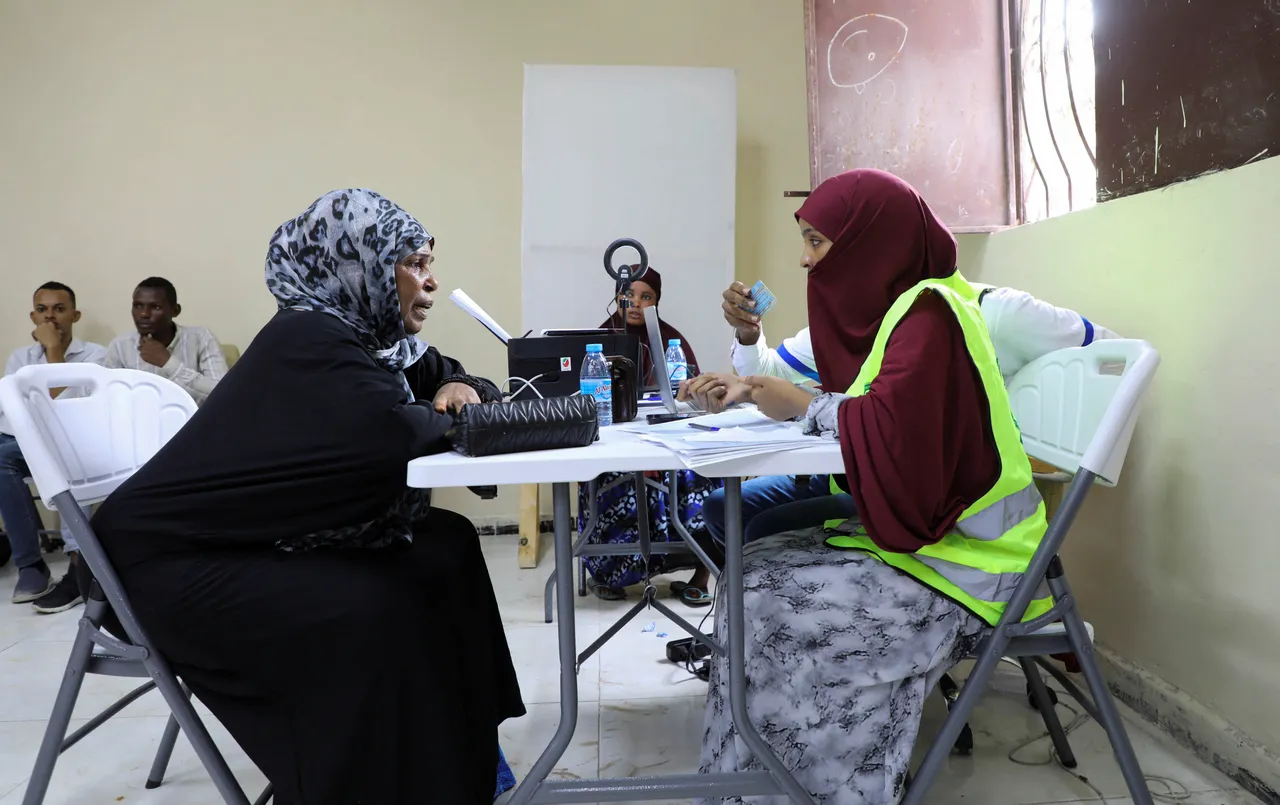
Somalia change from this indirect model begin this April when the Independent National Elections and Boundaries Commission (INEBC) roll out voter registration for Mogadishu. More than 900,000 citizens register as voters during the stipulated period.
The demographics of the electorate dey interesting: about 94% of registered voters in Mogadishu are below 44 years old, and 63% of them na male. Mogadishu's registered electoral strength sef na the highest ever for the city's history.
This surge in civic engagement show for strong political competition, with 20 political parties fielding 1,600 candidates across the 390 seats at stake.
The authorities don set up 510 polling stations across the capital for the December 25 vote, making transparency a priority. Election observers don dey deputed to each station and about 100 journalists don receive accreditation to cover the historic polls.
"We are fully ready to conduct the polls and confident the process will be successful. This vote is meant to give the Somali people the opportunity to exercise their constitutional right to freely choose their leaders," INEBC chairperson Abdikarim Ahmed Hassan said.
"It is an honour for us to have the trust of the public and all state institutions as we work together to deliver this historic one-person, one-vote election."
The Somalia Civil Aviation Authority don announce say Mogadishu Aden Adde International Airport go remain shut for 24 hours on December 25 to facilitate necessary security and logistical arrangements for the Banadir regional elections.
Wetin opposition dey worry about
Amid the general optimism, the opposition still hold reservations about the process.
Former President Mohamed Abdullahi Farmaajo, wey found Tayo Political Party, issue statement say e dey unfortunate that the country still lack "a broadly agreed political direction".
"I oppose and strongly call for avoiding any unlawful term extensions, elections controlled by a single political faction, self-serving political arrangements, or any actions that could push the country toward the creation of two parallel governments," he said, addressing the current dispensation.
The Somali Future Council — a coalition of the regional leaders of Puntland and Jubaland and the opposition Somali Salvation Forum — gather for Kismayo recently and dem issue strong critique of the ongoing electoral process, saying na "single political group" dey drive am in a way wey circumvent the Provisional Constitution and violate the rights of the people of Banadir.
The council, however, say dem ready to engage in dialogue with President Mohamud. Dem call for a consensus-based electoral commission and a process wey go be "transparent, credible and more advanced" than the one in 2022. Another demand na to strengthen regional representation.
To achieve this, the council urge the President to convene all political stakeholders by January 20, 2026, to agree on an electoral roadmap in line with Article 5.
As the deadline approaches, all eyes dey Mogadishu to see wetin the winds of change go carry.