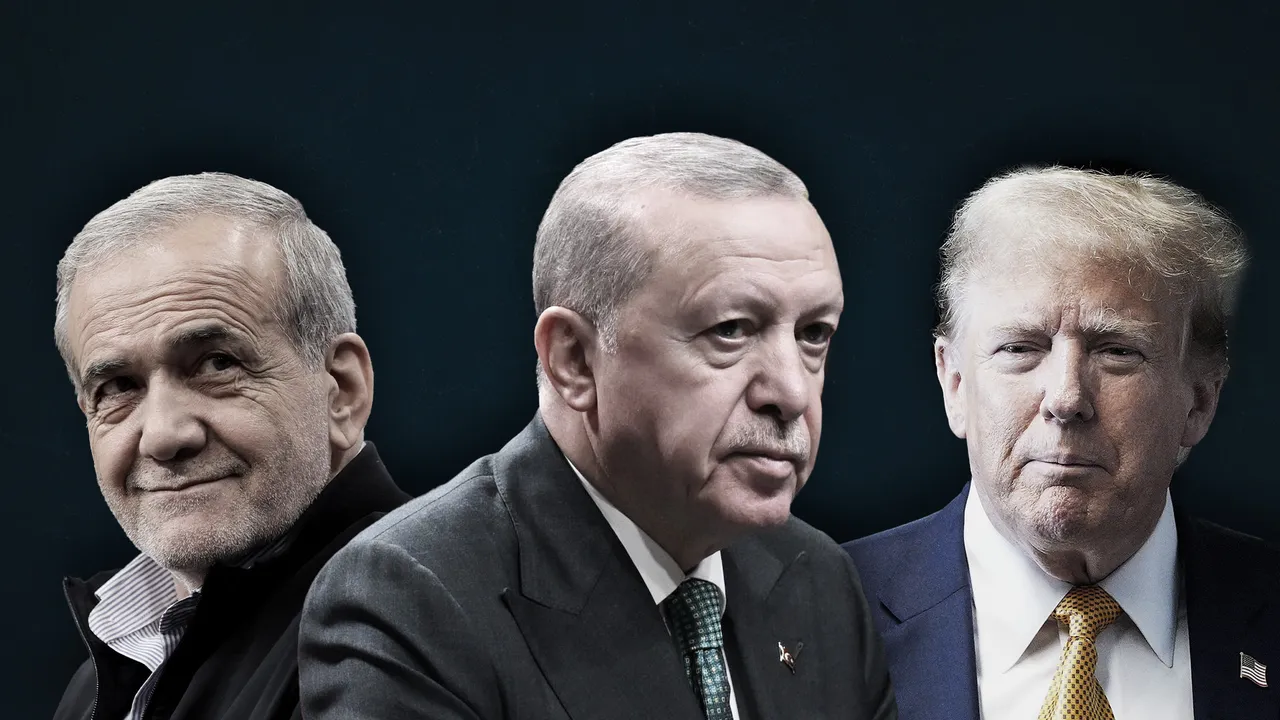
Türkiye don show say e be important peace broker wey dey try prevent regional war, as tension wey dey between US and Iran don dey grow fit turn to full-blown war.
As US President Donald Trump dey ramp up military presence for Middle East and Iran Supreme Leader Ali Khamenei dey warn say fit turn to bigger war, Ankara dey help open dialogue between Washington and Tehran.
Trump don threaten military intervention if Tehran no agree to new nuclear deal or no stop to dey crackdown on protesters wey dey beg make dem end the economic wahala.
After that, US don deploy extra naval assets, including the USS Abraham Lincoln aircraft carrier, go the region.
For hin side, Iran don signal say dem ready for talks if dem "fair and equitable", while dem reject the maximalist demands of US and even label some EU armies as "terrorist groups".
Against that background, Türkiye don offer to mediate. Iranian Foreign Minister Abbas Araghchi meet hin Turkish counterpart Hakan Fidan last week, and Fidan talk say dem oppose military action against Iran and dem support peaceful resolution of the conflict.
President Erdogan personally tell Iranian President Masoud Pezeshkian say Türkiye ready to mediate. E separately still talk to Trump, offer to host teleconference between the two countries to calm tensions.
Regional allies like Qatar don also join the efforts to arrange diplomatic channels and push for negotiations.
Analysts talk say Türkiye balanced relationship with both US and Iran fit help keep communication channels open and prevent escalation.
Gokhan Ereli, independent researcher wey dey Ankara, tell TRT World say Türkiye dey use different diplomatic channels to help resolve the conflict.
Rather than depend on one-off meetings, Türkiye don "instrumentalised overlapping channels" like face-to-face talks, phone diplomacy, and parallel consultations with US officials wey dey Ankara, even as public rhetoric harden, he talk.
This methodical approach, he say, show how Türkiye dey search for "flexible formats" like the proposed trilateral meeting, wey fit "lower tensions without forcing either side into an immediate climbdown".
Ereli rate these efforts high for intangible gains. Even though no formal agreement don show and US-Iran confrontation still dey, Türkiye diplomacy don help keep dialogue alive, prevent total breakdown of communication, and put Ankara as interlocutor rather than bystander, he talk.
"Maintaining conversation fit look small, but na often the thin line wey separate managed tension from open confrontation," he talk.
A ‘vital lifeline’ for Tehran
Türkiye coordination with other regional powers still make am more effective as peace broker.
Ereli highlight how Ankara don align with countries like Qatar and Saudi Arabia, driven by a "shared concern that war would further destabilise an already fragile regional order".
These countries no dey motivated by love for Iran but by fear of "uncontrollable spill-over effects" if things escalate, he add.
Türkiye don increase security dialogue with Saudi Arabia, and dem dey work closely with Qatar and Oman to try prevent any military strike on Iran, he add.
Geography still play important role for this crisis. Türkiye 560-kilometre border with Iran and Qatar maritime proximity make dem especially vulnerable, Ereli say.

Through diplomatic lobbying, public warning, and behind-the-scenes moves, these countries don try shift US focus to restraint.
Oral Toga, researcher for the Ankara-based Centre for Iranian Studies, tell TRT World say Tehran see Türkiye mediation as vital lifeline.
Iran eager to prevent full-scale war, so dem see Türkiye push for trilateral dialogue as a "window of opportunity", he say.
"The proposal fit be welcomed by factions for Iran wey get realist perspective," he say. E fit disturb conservatives, but the proposal go likely acceptable given the "gravity of the current situation and concerns over national survival".
Toga point out the trust wey dey under this arrangement. Türkiye-Iran relations dey "shaped by the necessities imposed by geopolitical reality", with history of cooperation and mutual interdependence wey dey build sincerity.
He say evidence of this trust include Araghchi continued engagement with Türkiye both before and after the 12-day war, when the US join Israel for surprise attack on Iran military and nuclear facilities in June last year.
This kind confidence boost Türkiye role, as we see for Erdogan recent phone call with Pezeshkian, wey Ankara reaffirmed say dem dey facilitate.
Toga also mention possible risks if mediation no work. E note say migration no be the main worry because border mountain dey, but escalation fit disrupt energy ties, tourism and wider regional stability, wey go affect neighbours from Gulf to Central Asia.
Ankara as a ‘regional stabiliser’
Matthew Bryza, former US ambassador to Azerbaijan and Istanbul-based expert on Eurasian affairs, tell TRT World say Türkiye peace efforts fit with the country core foreign policy ethos.
He draw parallel to 2002-2003, when Türkiye advise US against the Iraq invasion, warn say e go cause regional instability — advice US ignore to their loss.
Today, Bryza say Trump dey "listen to President Erdogan" and Secretary of State Rubio dey "listen to Foreign Minister Fidan", because US leaders get "respect" for their Turkish counterparts.
While Trump want "destroy Iran's ballistic missile production capabilities" and air defences to keep options without invading, Bryza describe Türkiye peace brokering as "crisis diplomacy" wey focus on persuasion more than long-term strategy.
Bryza note say Tehran welcome Türkiye mediation, though Trump administration never commit to formal processes like trilateral meeting yet.
Importantly, recent US military moves like deployment of USS Abraham Lincoln show no sign of immediate large-scale campaign, fit give Türkiye small breathing room for their efforts, he say.
He downplay NATO linkages, say Türkiye actions na because of im status as regional power.
Ereli say Ankara connect Iran stability to im own security and the wider balance of power for Middle East.
Ankara dey pursue a "multi-vector foreign policy" wey keep communication channels open with many actors, he say.
"By advocating dialogue and offering itself as a mediator, Türkiye reinforce its role as a regional stabiliser whose participation hard to bypass."