Female genital mutilation (FGM) Na wahala wey dem dey cut or wound female private part for no medical reason. All di world don agree say na human right abuse.



Even if doctor or nurse do am with clean instrument, e never safe, e no necessary, and no medical reason fit justify am.
Di problem dey worldwide; 94 countries for all continents don report am.
UNFPA dey sad say girls and women dey carry dis deep, long-lasting and dangerous physical and mind wahala, even as pipo dey try stop di bad practice.
One reason wey e still dey happen na lie pipo dey believe say na foreign pipo dey force make dem stop. But UNFPA dey talk ahead of February 6 (International Day of Zero Tolerance for FGM) say: "we dey expose dis lie".
Data from about one-third of di kontris wey dey do am show say e don reduce for di last 30 years. Before, 1 out of 2 girls dey suffer am, but now na 1 out of 3.
For everywhere, two-thirds of men and women wan make FGM stop.
"To protect these girls, all of us must put money and effort to meet di target to stop dis harmful practice by 2030. Make we join hands more, do things wey no too cost much to challenge di beliefs wey dey make am continue.
"Government, donors, companies, communities, grassroots groups, girls, women, boys and men—all get role to play as agents of change to make sure girls grow up free from FGM."
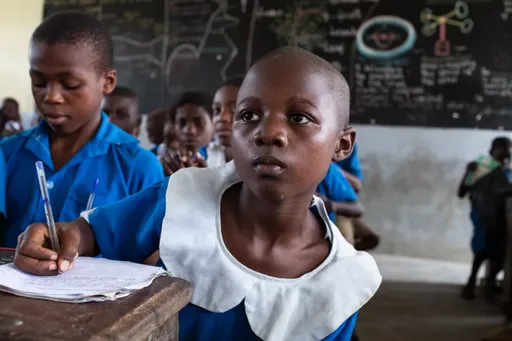
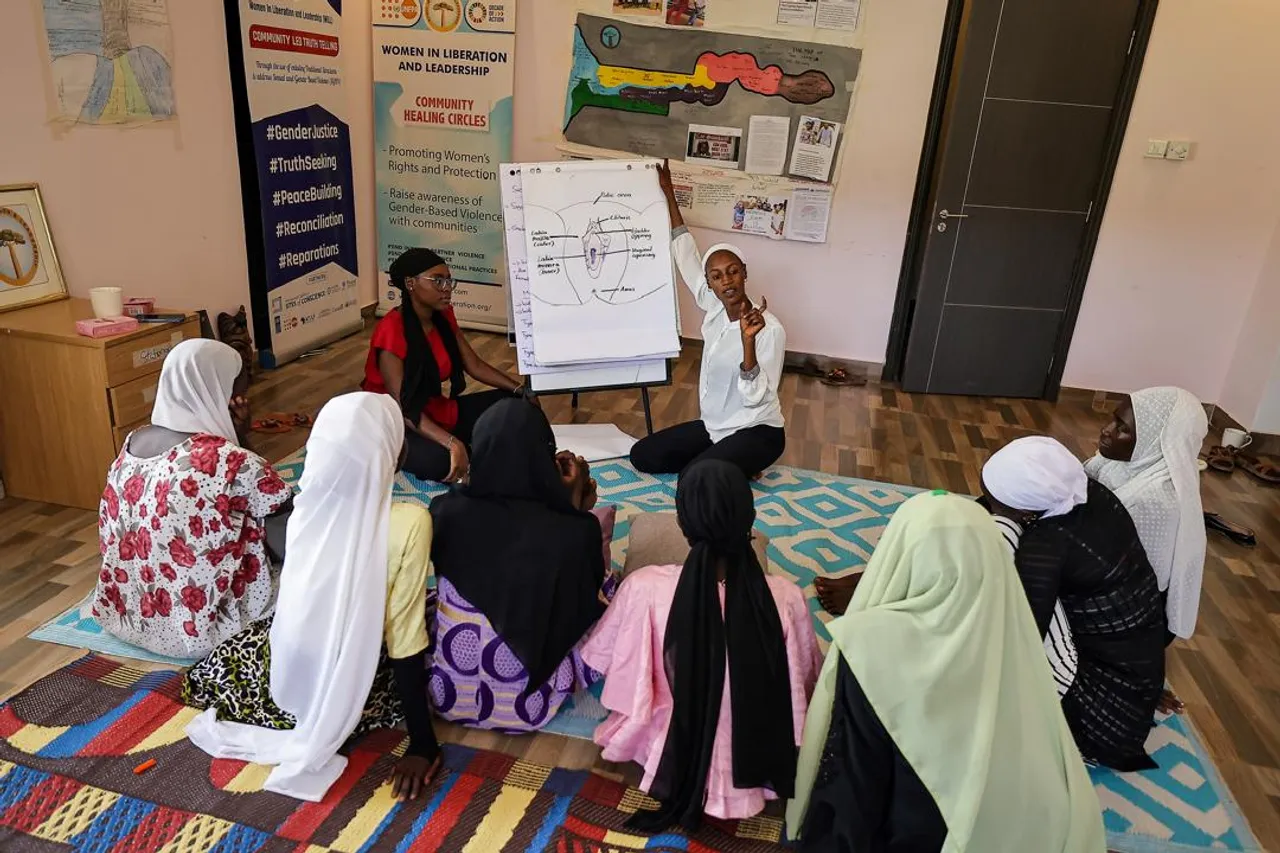
Now, thousands of pikin dey learn about di danger of FGM for school as dem dey teach better sexual education.
UNFPA talk say Africa get di biggest burden of FGM.