Plenty pikin wey never reach five years old for Jigawa State, for northern Nigeria, dey suffer from stunted growth and low immunity because dem no dey get correct food. Di main causes na poverty, food insecurity wey climate shocks don make worse, and health services wey don overstretch.
But under the plenty data wey confirm di mata, something don begin change for better.
Masaki Nutrition Initiative, wey local government and communities dey run together, dey reverse di trend of childhood health problems wey malnutrition cause.
Incidence of stunting among pikin under five for Jigawa drop from 64% in 2018 to 55.7% in 2024 — na di biggest improvement for pikin growth in decades.
Di model dey now dey studied by other states for Nigeria and development organisations wey dey look for solutions wey actually work.
Nationwide problem
Malnutrition still remain one of Nigeria biggest public health wahala, and northern states dey carry di heavy burden.
Dr Shehu Sambo, executive secretary of the Jigawa State Primary Health Care Development Agency, believe say to tackle malnutrition you must understand say many families no get the knowledge or money to prevent di problem from starting.
Malnutrition no be only health issue. Anything wey directly affect pikin fit mean say we go stunt di engine of future growth, Dr Sambo tell TRT Afrika.
As different programmes wey dey fight malnutrition don show, treatment na only part solution. Jigawa State Government strategy na to put communities, mothers and local solutions for di heart of di response.
Masaki Nutrition Initiative design make e reach families before malnutrition turn life-threatening. Using routine health data, di state identify di communities wey get di highest rates and dem set up 300 Masaki centres across all 30 constituencies.
Each centre dey operate as weekly meeting place where mothers and caregivers learn how to screen children, prepare nutritious meals from local foods and monitor progress. Children wey get moderate malnutrition dem manage inside the community while severe cases dem refer straight for advanced care.
Wetin make Masaki different na ownership, Dr Sambo explain. Local women don empowered with knowledge to feed their children better using foods wey dem already get.
Di state's 27 local government chairpersons dey finance di programme together, dem dey contribute monthly for food, stipends for health workers and logistics. Dis funding structure don change Masaki from just programme to shared responsibility.
Political commitment
People wey build di initiative from ground up credit strong political will for di success wey dem don achieve so far.
Di state government dey allocate 250 million naira (US $0.172 million) every year for treatment of acute malnutrition, to make sure say ready-to-use therapeutic food (RUTF) dey available consistently.
Lawmakers too dey channel constituency funding towards nutrition supplies and micronutrient supplements for pregnant women.


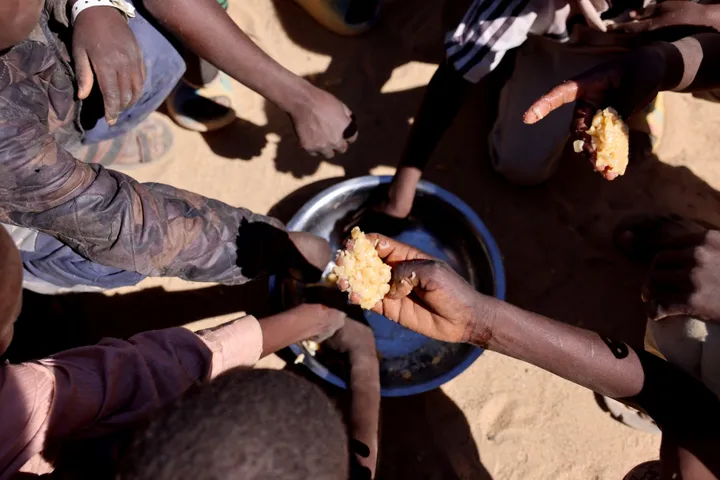


Di 2024 National Demographic and Health Survey confirm say after years wey Jigawa dey register one of Nigeria highest stunting rates, Jigawa record don drop nine percentage points in six years.
For di first time, we dey see real progress, Dr Sambo say. It show say community-based prevention wey join strong treatment systems dey work.
Jigawa approach don receive praise from UNICEF, wey be partner for di initiative.
The collaboration between UNICEF and the Jigawa State Government don make Masaki become model for other states, Rahama Rihod Mohammed Farah, senior UNICEF official, say. E na strategic, community-driven intervention wey dey deliver clear results.
Through di Child Nutrition Fund, UNICEF dey match di state's investment for RUTF procurement, so dem double di resources wey dey available. Di partnership don also contribute to better immunisation outcomes for Jigawa over di past ten years.
Lifechanging intervention
Hadiza Saleh wey dey watch her pikin play for courtyard of a Masaki centre na something she once fear say no go ever happen. The small girl dey fall sick many times between hospital visits without much improvement.
Then Masaki begin. 'Since my child start this treatment, I see quick improvement,' Hadiza talk. 'Today I fit say she don fully recover.'
Masaki still change how Hadiza dey feed her family. She don learn to prepare balanced meals with local soya bean, groundnut, vegetables and grains.
'We no need waka far again,' she tell TRT Afrika. 'Now we sabi how to feed our children properly.'
By linking nutrition to livelihood support, di campaign for Jigawa also dey tackle one of di main causes of malnutrition.
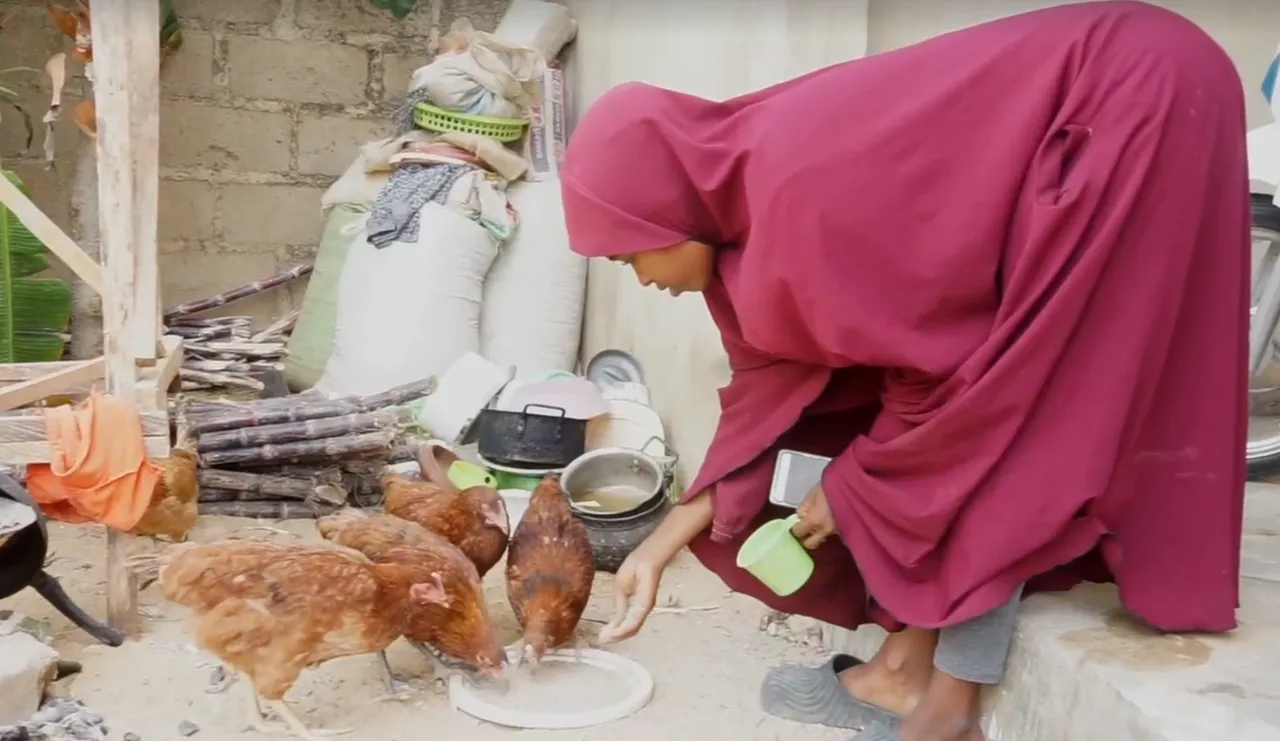
Hauwa Bisina Bature receive poultry and seedlings through di state's empowerment programme. 'Now, we get vegetables for our backyard all year. We no dey struggle to buy eggs. Our chickens dey lay enough to feed our children di protein wey dem need,' she say.
As other Nigerian states and development organisations dey look for solutions wey dem fit replicate and scale, Jigawa dey show evidence say to build trust inside communities, empower mothers and put children at di centre of policy na di pathway to solve persistent problems like malnutrition.