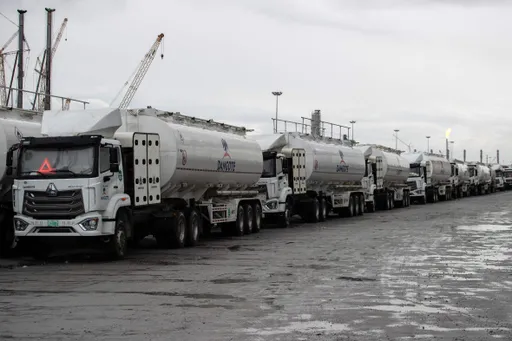
For Amani wey get seven years, him everyday waka go primary school inside Mukuru industrial area for Nairobi na serious yawa. Him small hand dey hold him grandpa tight as dem dey waka for narrow path, dey fear every heavy truck wey dey pass fast for road near dem, with motor smoke mixed with factory smoke.
'I dey tell am make e dey watch trucks, no dey look sky,' na so him grandpa, Robert Maina, 68 years old, tok.
'When I be pikin, we used play football for that field wey now don become factory,' Robert add as e point one small piece of land wey remain. 'Now town don turn machine, and our pikin dem dey waka through am carefully so dem no go get run over.'
Above 4,000 kilometres away, for Accra, Ghana, the story similar but the way e dey show different.
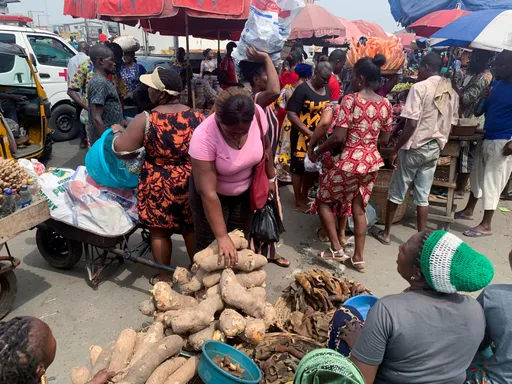
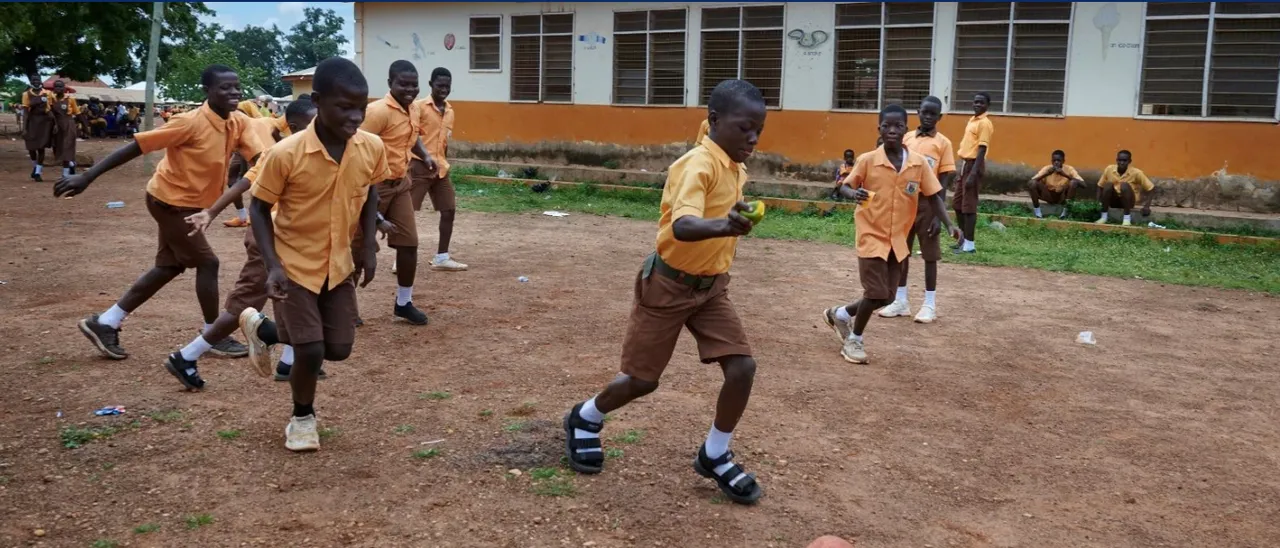
Kofi wey get ten years dey help him mama sell kelewele (fried plantain) near busy place. Him play area na space wey people dey pass near the stall, and him toys na bottle caps and small ball.
'When rain fall, this whole area dey flood,' him mama Afia explain as she show drain full of rubbish. 'Water dey dirty and he no fit play. I want make e get clean dry place to be just pikin, far from smoke and noise. But where?'
Safe play places
These two voices from Nairobi and Accra dey show the true life inside African cities — the continent wey get di largest young population and wey dey grow fast for the world.
As African cities dey expand, safe public spaces for children to play, move and even breathe dey disappear, dem dey take am for roads, construction and informal settlements.
But new global guide - 'Guide to Creating Public Spaces in Cities for Children' wey WHO, UNICEF and UN-Habitat publish - talk say this thing fit change.
The numbers dey scary. Global data show say na only 30% of urban residents for low- and middle-income countries dey live near open public space. For millions of children for Africa, 'play' na dangerous activity wey dey happen for clogged drains, roads full of cars or small one-room houses. One 2022 analysis find out say over 60% of children in big African cities no get safe place to play within ten-minute walk from home.
'Access to safe, inclusive public spaces get direct link to children's health, development, learning and social relationships - and na child's right,' Dr Etienne Krug from WHO talk.




This new guide turn that right to practical system wey base on six principles wey dem call 'SPACES': Safety, Play, Access, Child Health, Equity and Sustainability.
For city planners and community leaders for Africa, this guide give tools to target the challenges and the special opportunities for these areas. E dey push make dem slow down vehicle speed and design safe routes for children go school for cities like Nairobi where plenty pedestrians dey die. E still encourage put play inside all public spaces - change concrete verges for estates in Kigali or shaded street for Lagos to play spots with small and cheap moves.
Environment-friendly places
Most important, the guide urge cities make dem invest where need dey pass. That one include use maps to find and develop low-income, high-density and informal areas - like Mukuru for Nairobi or Ashaiman for Accra - wey many times no get any green space at all.
'This guide show how child-friendly cities fit fulfill the right to play and speed up progress toward safe and accessible public spaces for all by 2030,' Dr Nathalie Roebbel, WHO Technical Lead for Urban Health, talk.
The guide principles align with Africa's urgent needs: make sure clean air and shade for hot cities, revive unused land, and join green, play-friendly infrastructure into climate adaptation plans.
Parks no be only playgrounds; dem protect against flooding, dey reduce urban heat, and dem connect people socially.
Because over 55% of global urban growth expected to happen for Africa by 2050, the continent get rare chance to build different. The flooding drains for Accra fit turn to natural water systems wey give safe play areas. Likewise, small unused plots for Nairobi neighbourhoods like Mukuru fit become community-managed playgrounds.
From the packed streets of East Africa to the lively communities of West Africa, the call na one. The future of African cities no go be written with concrete only, but with children laughter wey reclaim their right to own the city - one safe, green and inclusive place at a time.
'We no fit build cities for banks, cars and buildings, then dey wonder why our children no dey thrive,' Robert Maina tok for Nairobi, as him grandchild Amani dey talk him dream of get garden with swings.
For Accra, when Afia hear about this guide, she agree: 'The place wey Kofi dey play no dey good. Play space important like school. Na there him dey learn how to live.'