For 1969, one Kenyan school teacher try explain how telephone dey look to class full of pikin wey eye dey wide. No telephone dey near, so e compare am to bell. No be the kind wey you dey swing, but the metal one wey dem dey hit with rod.
Dr Rebecca Ng'ang'a, wey be social studies lecturer for Daystar University, na one of those primary school pikin-dem wey their imagination dey try build wetin dem no fit see for body.
By the turn of the century, she go proud to get mobile phone, even though na one version wey different well well from the sleek gadgets wey full everywhere now.
"E big die, so I go push am enter my handbag," she tell TRT Afrika. "You sabi say e fit ring for class and e no go disturb anybody? Na because the sound no familiar. My students no know wetin to make of that sound."
Fast-forward reach 2020 and Ng'ang'a talk say she no sabi any person wey never get mobile phone. "Even my uncle, wey born for 1928, get am," she shout.
The kind change wey Ng'ang'a dey talk show how technology don change life for the past quarter of a century.
The rise of smartphones, strong computers and high-speed internet don complete change how people dey communicate, do business and connect across culture. E bring better opportunities but e carry new wahala join.
Ng'ang'a remember the words of Canadian philosopher Herbert Marshall McLuhan that "the medium is the message", pointing how media technology wey dey evolve dey affect us, dey change how we see things and at the end dey change the world.
McLuhan, wey coin the term "global village", dem talk say e nearly see the World Wide Web almost 30 years before dem invent am.
Three generations
"With the first layer of the internet or what we call Web 1.0, people fit only read wetin dey for internet. You no fit change am or interact with am. E be like read-only," Roselyne Wanjiru, economist wey dey specialise for cryptocurrency, tell TRT Afrika.
This one na for the late 1960s.
"The second layer of the internet bring the parts of reading, writing and video," she clear.
Media come turn interactive, and this shift catch between 2000 and 2015. Social media platforms make people fit connect across long distance, so the world begin small for practical matter.
"With the second layer of internet, the growth of social media platforms make people connect in a way wey distance nearly shrink for conversation. Now, people fit get business partners for China, Russia, Australia or any other country," Wanjiru talk.
Time zones, no distance, come turn the main thing to consider when you dey arrange meeting.
This change scatter nearly every sector. For sales and marketing, digital platforms become essential. As Wanjiru talk, without them, "you dey completely invisible."
Companies wey before them dey rely on billboards to catch eye, now fit target specific people and demographics exactly when dem need am.
"Data don bring companies enter this hyper-specific way where dem no dey shoot for dark again," Wanjiru explain.
By 2015, the world wake up to Web 3.0. "I dey call this the 'money layer'," Wanjiru wey research future of economy and payments talk.
"This one na the part of decentralised applications of blockchain technology. Na there cryptocurrency dey."
But before crypto show face, digital technology don make paperless transactions easy, so people fit pay for things through money transfer apps without physical cash.
This one clear for Kenya, where official data show say more than 70% of the country's 50 million people dey rely on mobile money transfer technology M-Pesa to send and receive money.
Constant evolution





Wanjiru see the internet as social square where ideas dey change hand quick. She compare how e dey evolve to cooking recipe.
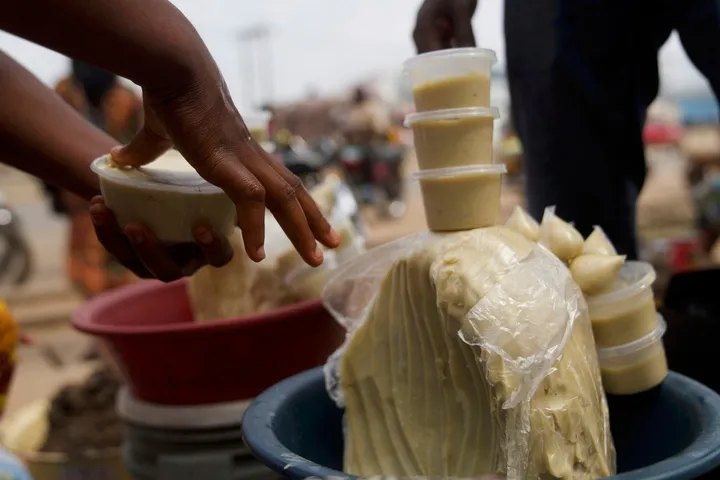
"Make we say all we sabi before na how to boil rice. Then person decide say make we add cinnamon or other spices, plus chicken or beef, dem come make pilau or biryani. Suddenly, people go realise say we don dey eat rice all this time, why we no fit turn am to biryani now?" Wanjiru talk.
And like how more ingredients and flavour go sweet plain rice, Wanjiru talk say internet suppose no be plain. More parts still dey add and every new element dey change the world.
"When we look back where we come from to where we dey now, wetin we dey see na newness every year, every moment, every day," Ng'ang'a talk. "Na why I dey say, we no dey go school only to collect certificate; we be students for life."
The pandemic for 2020 bring even more big disruption, and new normal come.
"For me, I no fit imagine to teach people wey I no dey see," Ng'ang'a remember. "My students call me come talk, 'Madam, we no want miss classes, abeg.' Today, I no go like teach any other way," she add.
Wanjiru, the crypto expert, remember one article wey she read wey talk say most people dey spend life inside radius of five to ten kilometres. "When internet start, people begin increase that radius. We don evolve to be global rather than local."
Fighting the downside
Even though internet shrink distance and bring opportunity, e also bring wahala.
For money matter, e don make sophisticated crime possible, where online fraudsters dey target people, dey do identity theft and get remote access to their victims' money and investments.
Financial institutions like commercial banks don try reduce this risk by bringing in multiple-layer identification methods.
For social side, Wanjiru lament say people don lose wetin she call "intentionality". Now, with almost everything dey one click, danger dey make people over-depend on technology.
Ng'ang'a agree. "Mind must dey encouraged to think, otherwise we go become brain dead," she warn. "Machines quietly dey replace people."
So, where all this one go lead to? "I no sabi wetin go come," Ng'ang'a talk, and she advise say the only way to cope with constant change na to remain learners.
"My students teach me how to use Zoom, but we still get this strange idea say the teacher na the one wey sabi everything. No, anybody wey sabi, make you teach us," the university lecturer talk and she add: "Humility dey important make we remain learning."
Financial technology expert Wanjiru believe say the next 25 years go make some people slow down from the constant stream of interaction to more structured way of doing same things.
"We don move from news by appointment to news any time to now some people dey say, 'No, I no want dey watch news all day'," she tell TRT Afrika.
"E be like internet reach one peak and then people go find balance. Instead of life wey you dey always connected, always dey watch, always dey engage, we go begin get breaks from the constant social flow."
As finance person wey dey study psychology, Wanjiru note say "human behaviour dey predictable".
"If people tire of one thing, dem go comot from am, you fit put money for that. Even the talk for AI wey say e go carry away jobs go shift to, 'How AI fit make my work easier?' Developers go gats think human-centred instead of platform-centred," she conclude.