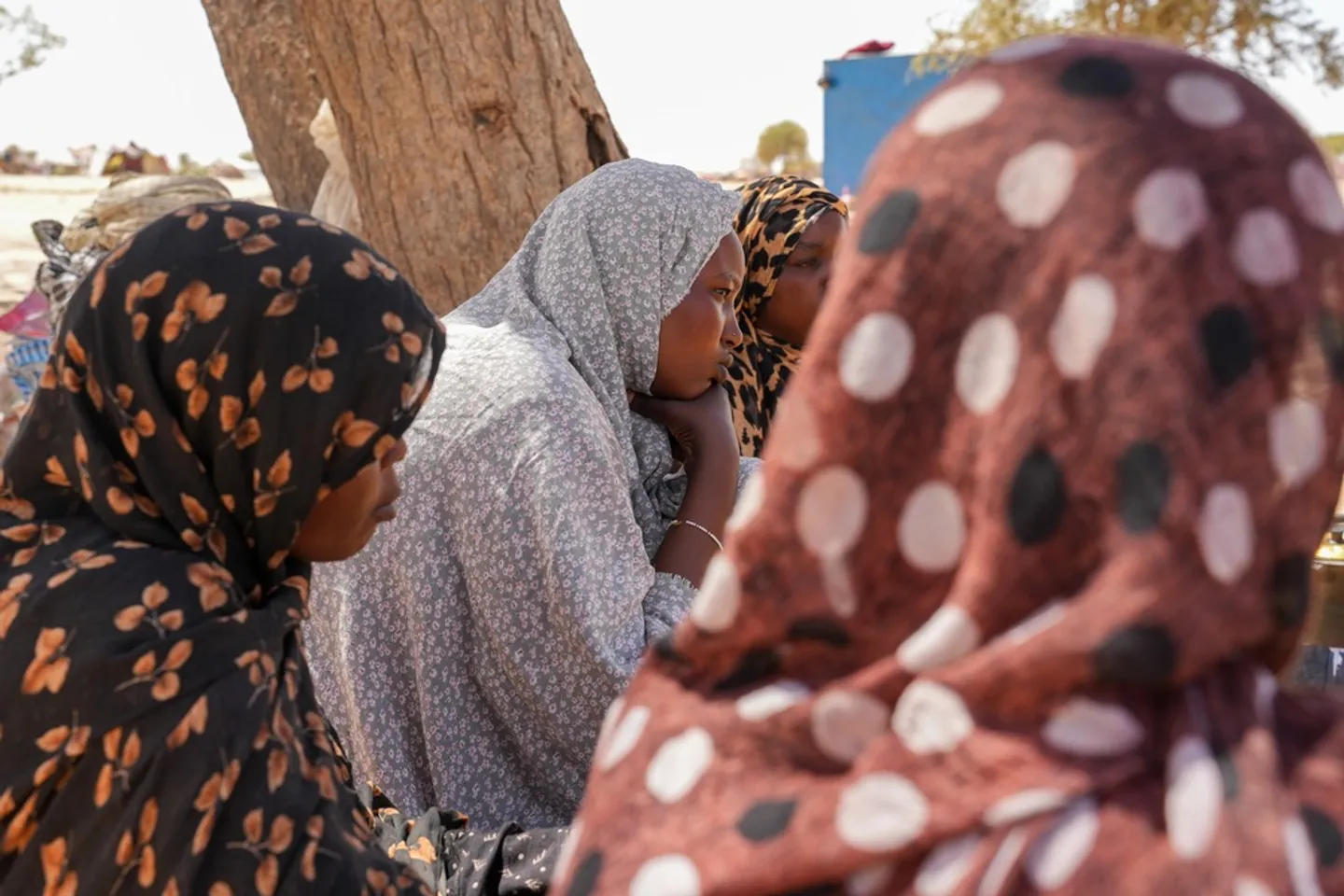
Maya dey visit family for Tabaski (Eid al-Adha) for her native Senegal when she hear say her papa don decide to arrange marriage for her again.
The news shock the 30-year-old, because she nearly never recover from the trauma of becoming widow early and she don dey raise two pikin on her own.
Di man wey dem pick, Mamadou B, na friend to her papa wey dey Casamance for southern Senegal. E want make Maya comot from her work as housekeeper for Dakar and join am quick. She go be im third wife.
Maya tell TRT Afrika say 'During my first forced marriage 14 years ago, I no get choice but to submit to my papa decision.' She add: 'Na im dey make the big decisions for our family, whether e good or bad.'
Maya first husband sef na person wey her papa sabi, man wey dey for him sixties.
This time Maya wan make her voice heard. She prefer to hustle and raise her two boys alone and rebuild her life than to be given to man wey fit be her papa.
Plenty millions story like Maya dey across Africa, even though national laws and pan-African courts don condemn forced marriages.
Numbers wey dey shock
Almost one out of three women don suffer physical or sexual violence at least once for their life, according to UN Women.
Di 16-day 'UniTE to End Violence against Women' campaign, wey start on November 25 to match International Day for the Elimination of Violence against Women, dey focus on how forced marriage still be pressing crisis across Africa.
Senegal sociologist Sely Ba talk say one in five girls for developing countries dey marry before dem turn 18. Poverty na one big reason wey dey push these marriages, but culture and ethnic factors still get role.
For South Sudan alone, four million girls be victims of early or forced marriage in 2022, up from 2.7 million in 2021, according to UN report.
Globally, UNICEF estimate say 60 million forced marriages happen in 2022, and West Africa and Central Africa dey report the highest rates. Gabon, Congo, Gambia, Burkina Faso, Nigeria, Chad and Sierra Leone dey for that list too.
Maya grow up poor for Casamance; life force her to commot from primary school and stay house to help her mama with household chores. She hardly finish her teens when marriage dem push for her head.
When dem ask her about those 10 years, Maya just quiet, part of am na respect for memory of her children's father.
Ba explain say 'The rates of forced marriages are three times higher in rural areas than in the urban belt.' She add say 'These marriages represent 42.8% of all nuptials in rural areas and 14.3% in urban areas.'
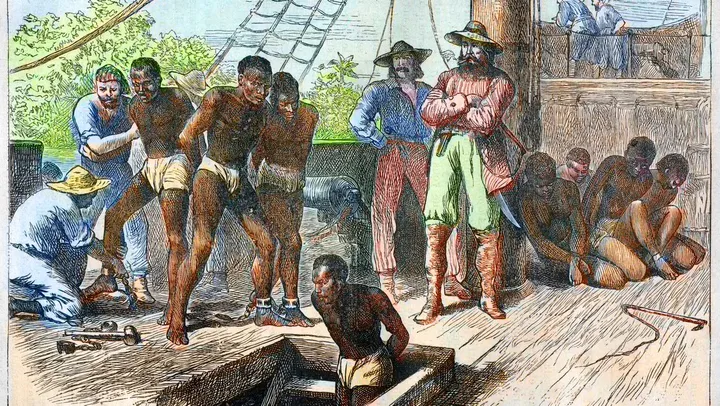
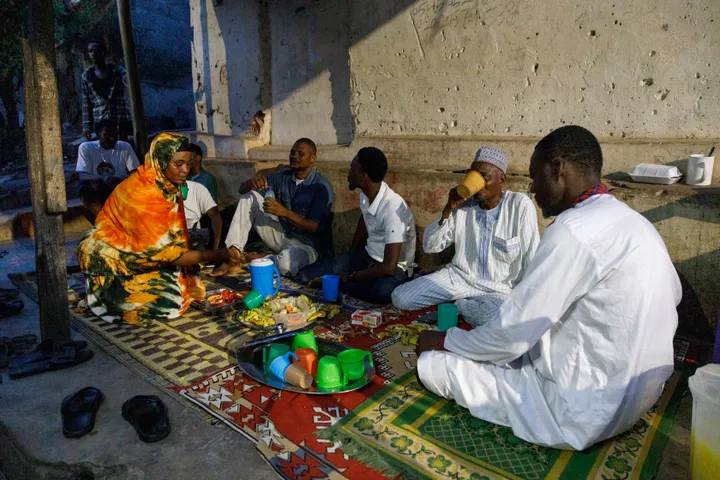

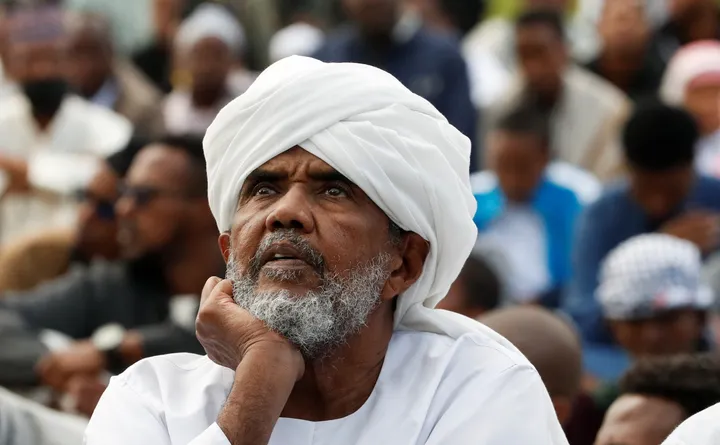

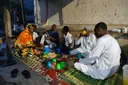


For plenty rural communities, superstition also join body for decisions wey dey go against the physical and mental well-being of girls.
From her interaction with victims and their families, Ba point out say many people believe sey marrying daughters off early go make dem avoid disorderly conjugal relationships — na so dem see am.
Climate change sef don show as factor. UNICEF dey observe sey drought dey push some families towards child marriage.
Andy Brooks, UNICEF regional adviser for child protection for eastern and southern Africa, talk for 2022 report say 'We are seeing alarming rates of child marriage and female genital mutilation across the Horn of Africa, with some poor families arranging for girls as young as 12 to marry men five times their age.'
Problem with enforcement
Most African countries get laws wey ban forced marriage. In 2021 almost all of dem ratify the Protocol to the African Charter on Human and Peoples' Rights on the Rights of Women in Africa.
Article 21, paragraph 2 of the African Charter on the Rights and Welfare of the Child, wey dem introduce in 1998, still ban forced marriages.
Sociologists like Ba blame the yawa on poor enforcement rather than the absence of laws.
She tell TRT Afrika say 'All actors in society must work to enforce and respect these laws for the well-being of our girls and young women,' and she cite early pregnancies and birth complications wey dey kill many mothers.
Plan International report say nearly 16 million girls between 15 and 19 give birth every year. Around 70,000 teenage girls die annually from complications wey relate to pregnancy and childbirth, and forced marriages na one of the main causes.
Congolese parliamentarian Exaucé Ngambili Ibam talk say authorities for his country dey treat forced marriage, mostly of underage girls, as serious social problem.
Republic of Congo Mouebara Law, wey dem pass in 2022 to prevent discrimination and increase protection against sexual harassment, classify forced marriages as violence. Article 20 define social violence as 'the expression of codified and institutionalised relationships within the social sphere that exert pressure or social coercion.'
Ibam talk say 'Forced marriage na form of social coercion. Anybody wey still practice this kind retrograde treatment against women go face the law; the law no go spare anybody.'
For Chad, Burkina Faso and Senegal, dem get laws wey bar forced marriages on human rights and health and safety grounds. Sociologists, anthropologists, doctors and elected officials dey always call on authorities to raise awareness and make sure the laws wey dey already get are enforced.
For Maya, the future still hard. She don leave her job for Dakar because of family pressure and she don move to new home as the third wife of her father's friend, Mamadou B.