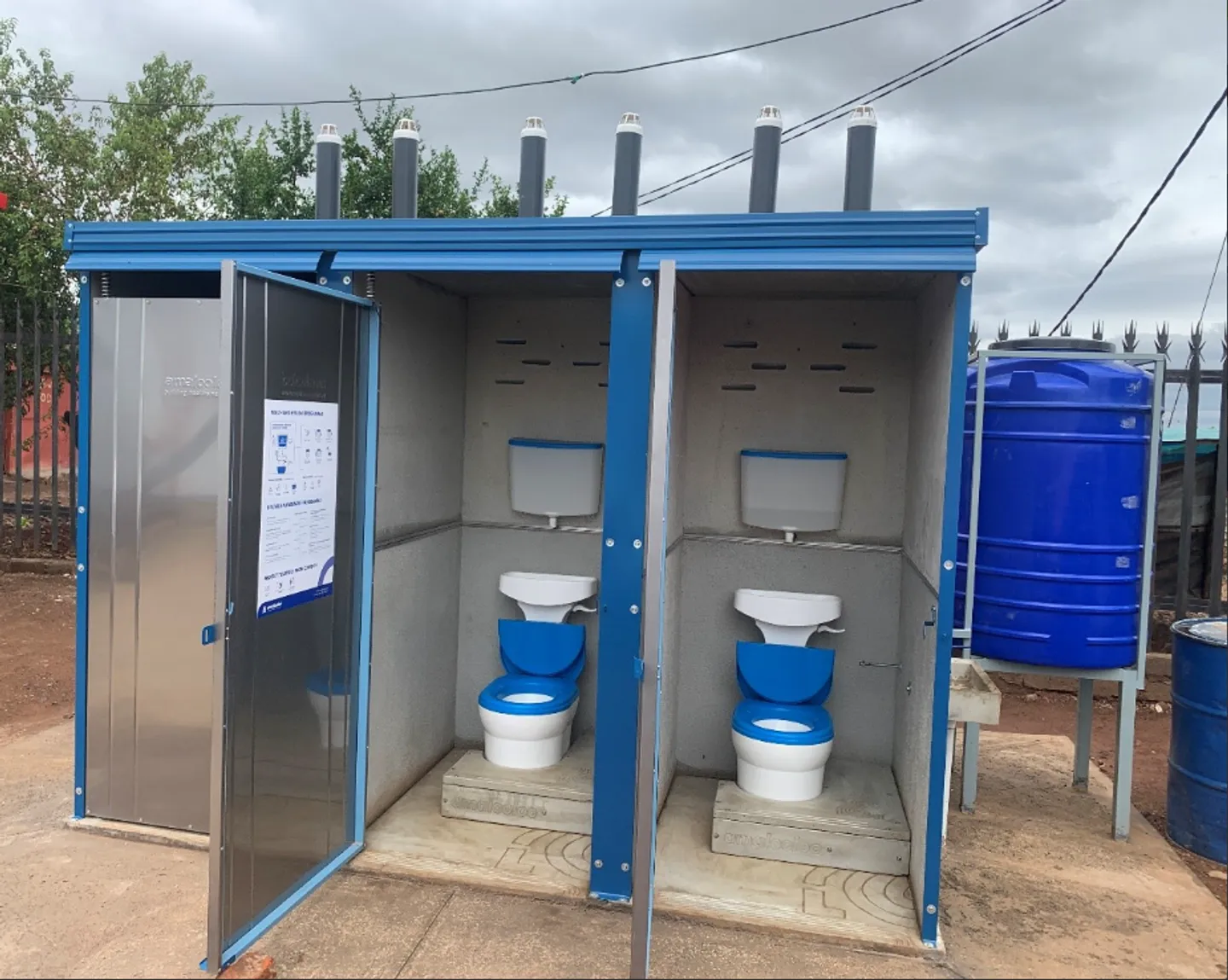
World Toilet Day fit look like just another date for the full calendar of global events, until you face the hard fact say 3.5 billion people still dey live without safe toilet.
The hush around sanitation na part shy-ness, but main thing na neglect.
But true be say, this non-glamour topic dey decide whether pikin go survive common infections, whether women fit manage menstrual period with dignity, and if whole communities fit comot from the cycle of preventable sickness.
For Africa, the picture show serious divide. Some countries don nearly reach universal coverage, while others still dey trapped for crisis where majority no even get basic facilities.
For too long, Africa sanitation story na lack. But some countries don begin rewrite that story and dey show say progress possible when government get political will, plus innovation and community involvement.
According to the World Health Organization (WHO) and UNICEF Joint Monitoring Programme for Water Supply, Sanitation and Hygiene, clear top tier don show for Africa.
How dem dey set the standard
For front of the pack na the Indian Ocean islands, Seychelles. Dem nearly get 98% access to safely managed sanitation services, wey make dem be benchmark for the continent and beyond.
For Seychelles sanitation no be only about toilet; na proper system wey go treat and dispose waste safely to protect people and the island environment.
Tunisia, wey get over 90% access to safely managed sanitation, na another country wey stand out.
Decades-long, state-driven strategy around the National Sanitation Utility, wey dem set up in 1974, help centralise planning and management of wastewater infrastructure. The idea na to join cities and towns under common network.
Tunisia know say toilet clean na as the whole system dey treat waste, so dem invest plenty for more than 120 wastewater treatment plants and become regional leader for water reuse, reusing over 30% of wastewater for farm irrigation.
Even though urban coverage near-total, targeted programmes don help expand sanitation for rural areas and reduce the rural-urban gap.
Mauritius don get similar results by mixing good utility management with innovation. The country's Wastewater Management Authority dey expand sewer network, especially for dense coastal areas where sanitation dey very important for the tourism industry.
Dem dey manage on-site solutions well, run campaign to convert old septic tanks into hygienic soakaways and to connect dem to central sewers. Regulation strong.
For Mauritius, the high standards wey tourism sector demand create economic reason to invest for sanitation, push investment in advanced treatment technology and set a national benchmark.





Wahala for access
The success story for Seychelles, Tunisia and Mauritius still dey tempered by harsh reality for other places.
UNICEF's Joint Monitoring Programme point to sub-Saharan Africa as the epicentre of global sanitation crisis. For many of these countries, basic dignity and safety of toilet dey out of reach for many people.
Central and Eastern Africa show serious examples. Only about 21% of Chad people get access to basic sanitation. Open defecation still common.
Ethiopia, even though economy dey grow fast, get poor record with only around 27% access to basic sanitation, wey leave millions exposed to preventable diseases.
South Sudan, wey dey fight long conflict and suffer chronic underdevelopment, don turn breeding ground for disease outbreaks that proper sanitation for do prevent.
For Niger and Madagascar, sanitation access dey around 30%; the rural-urban divide big, and fragile health systems dey pushed close to breaking point.
Experts talk say the sanitation gap no just mean lack of infrastructure but na humanitarian emergency — e dey cause pikin death from diarrhoeal disease, make malnutrition worse, and contaminate environment.
No be only pipe and toilet
The big difference between Africa leaders and those wey lag show clearly wetin dey work.
Seychelles, Tunisia and Mauritius achievements rest on political will wey make sanitation national priority, steady funding and enforceable rules.
Putting sanitation first help build the invisible backbone — network of sewers and treatment plants — wey dey protect public health every day. For rural areas, affordable and practical sanitation solutions make sure no community left behind.
This difference between those wey dey lead and those wey dey struggle give roadmap for others.
Countries like Ghana, Senegal and Rwanda don dey move that direction, rolling out ambitious national programmes wey show say rapid progress dey possible.