For region wey dem dey call Horn of Africa wey full of conflict, shifting alliances and political uncertainty, Djibouti don quietly emerge as one of the most reliable stabilisers, and e show say real influence dey come from steady, consistent diplomacy.
For African Union level, Djibouti still dey support mediation and peace initiatives. By backing AU-led frameworks or by providing place wey go make negotiations fit happen, the country don position itself as stabilising anchor during crises for Sudan, Somalia, Ethiopia and for the Red Sea corridor.
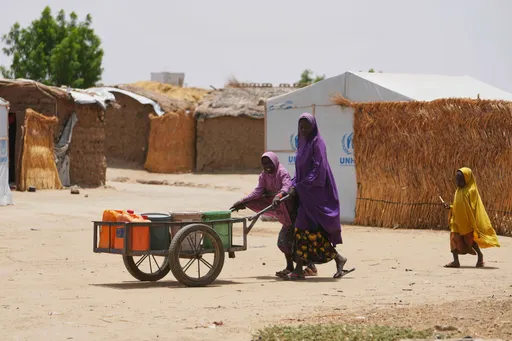
This steady role important well-well as Sudan dey face one of the world’s biggest humanitarian crises. Djibouti don serve many terms as member of the African Union Peace and Security Council, the most recent term end reach March 2025.
Regional diplomacy and mediation
Djibouti na host for IGAD (Intergovernmental Authority on Development) headquarters. IGAD na regional bloc for East Africa wey members include Djibouti, Eritrea, Ethiopia, Kenya, Somalia, South Sudan, Sudan and Uganda.
The country don many times play role of regional mediator. For example, e host and sponsor the Arta Somali Reconciliation Conference for 2000, wey help establish the current Somali government after the military regime collapse for 1991 and the later civil war.
For 2008, Djibouti mediate between the transitional Somali federal government and the opposition Alliance for the Re-liberation of Somalia, and that mediation lead to the formation of a unity government the following year.
Djibouti also don mediate twice between the Federal Government of Somalia and leaders of Somaliland—a self-declared independent state—in 2020 and again in 2023.
These efforts aim to start formal dialogue on issues wey concern both sides, and the United States and the European Union dey play role as facilitators.
Djibouti na troop-contributing country to the African Union Transition Mission in Somalia (ATMIS) and e dey actively engage for the fight against Al-Shabaab terrorist group, wey dey threaten Somalia and im neighbours.
Djibouti try mediate the conflict for Sudan too. For 2023, the country president take the rotating IGAD presidency, and that lead to talks for December 2023 wey happen for Djibouti between General Abdel Fattah al-Burhan, Chairman of Sudan’s Transitional Sovereignty Council, and General Mohamed Hamdan Dagalo ("Hemedti") of the paramilitary Rapid Support Forces (RSF).
Even though the conflict still dey, Djibouti dey continue to push for peaceful resolution and for humanitarian access wey no go get wahala.
For 2023–2024, attacks by Houthis from Yemen force many vessels to avoid the Bab el-Mandeb Strait and the Red Sea, and that one pose direct threat to Djibouti economy.
Because Djibouti hold the IGAD presidency and e strategic location just about 20 km from the Arabian Peninsula, the country don try influence events for Yemen, motivated by the arrival of Yemeni refugees and by strong economic reasons.
Diplomatic partnerships for extra-regional solutions
Djibouti growing diplomatic relevance show when e host the Third Türkiye–Africa Ministerial Review Conference for 2024. The meeting strengthen Djibouti role as reliable place for strategic discussion between Africa and Türkiye on trade, defence, humanitarian assistance and political coordination.
High-level talks push the African-Turkish Joint Action Plan 2022–2026 forward, and them try align am with Agenda 2063 for areas like peace, security, governance, investment, education, youth, health and infrastructure.



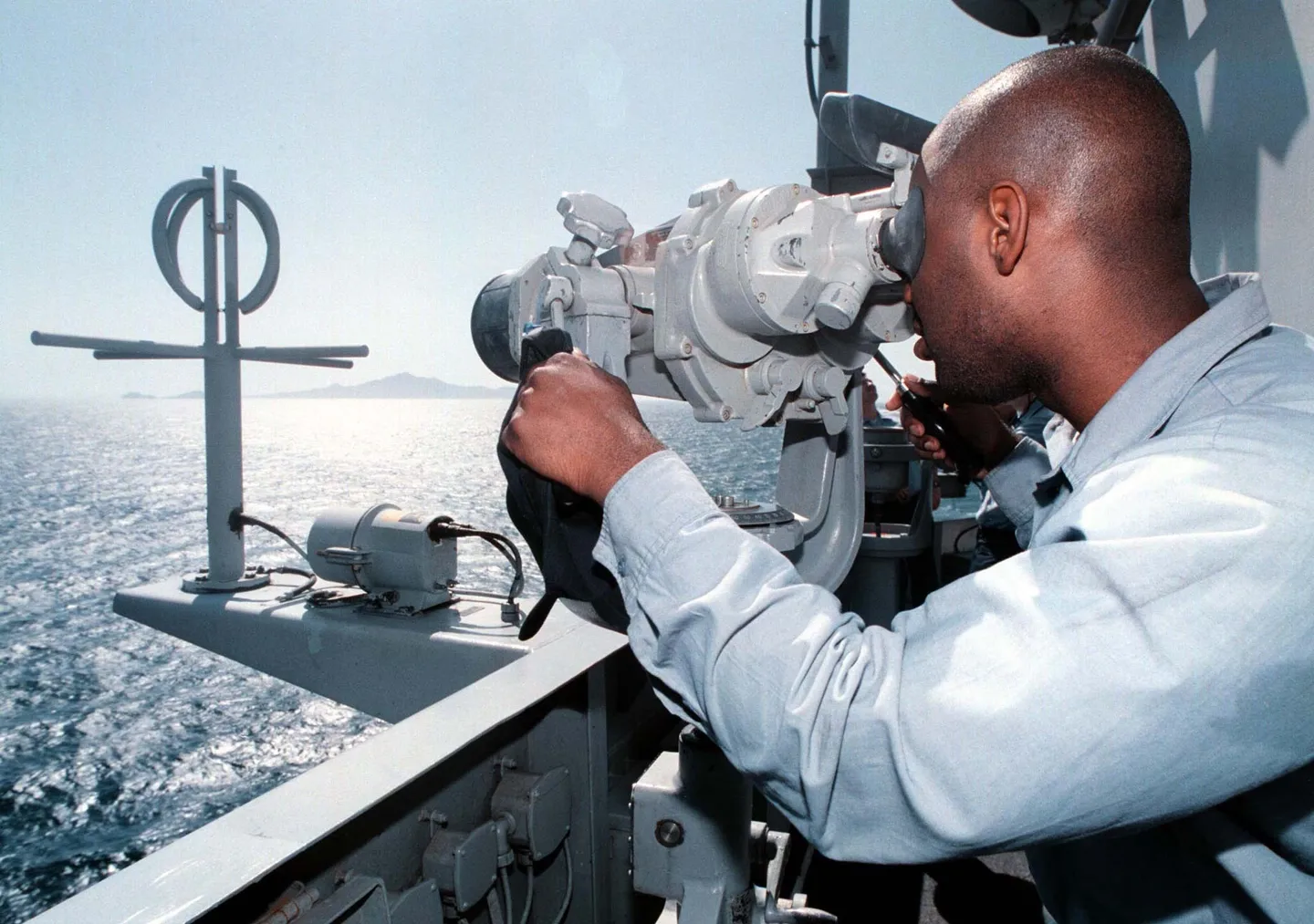
Djibouti host American, French, Chinese, Japanese and other foreign bases, and e dey channel these relationships into development—ports, logistics, energy and regional connectivity—showing how political stability fit enable long-term progress.
For inside country, Djibouti political continuity—though e get challenges—dey give some predictability for region wey dey often suffer coups, contested transitions or long conflicts.
By keeping internal order, e set example of stability wey reinforce im credibility as mediator and connector.
Principled stance on Gaza
Djibouti don also take active role on the Palestinian matter. The country welcome the Gaza ceasefire agreement and commend the efforts of the United States, Qatar, Egypt and Türkiye to secure ceasefire, humanitarian access and prisoner releases.
President Ismail Omar Guelleh call for full implementation to make sure lasting peace, humanitarian relief and a credible road toward two-state solution.
Djibouti firm stance dey support the broader African position: peace must put humanitarian access, prisoner exchanges and a viable two-state outcome first, while respecting Palestinian rights and the aim of a sovereign Palestinian state.
Djibouti example dey instructive. For the Horn of Africa where instability get high cost and conflict get wide ripple effects, the ability to mediate, provide safe spaces for dialogue and maintain balanced international relations dey very valuable.
Small state fit get big influence when im diplomacy steady, credible and based on domestic stability.
The Horn of Africa still volatile: Sudan war fit spill over region, Ethiopia–Eritrea tensions still dey, Red Sea insecurity dey threaten global trade and climate pressures dey make humanitarian crises worse.
Djibouti no fit solve all these problems alone, but the country voice as connector and mediator remain indispensable.
By supporting AU-led mediation, endorsing the Gaza ceasefire framework and pushing for humanitarian access for Sudan, Djibouti don position itself as mediator and model of stability, and im balanced relationships with global powers dey amplify im influence beyond im borders.
The author, Hafsa Abdiwahab Sheikh, na freelance journalist and researcher wey focus on East African politics.
Disclaimer: The views wey the author express no necessarily reflect the opinions, viewpoints and editorial policies of TRT Afrika.