Eleven for every 1,000 new mamas for around the world dey get postpartum infections we fit lead to organ wahala or even death.
Di most shocking part na say, according to di 2020 Global Maternal Sepsis Study (GLOSS) wey World Health Organisation (WHO) do, all these deaths fit prevent.
Few days after she deliver for hospital for Uganda, Grace Nalwoga near become victim of di bad cycle of postpartum infection.
Wetin start as normal recovery from childbirth quickly turn crisis as Grace come down with strong fever we make her feel sey life dey go.
'Di heat and pain for inside me too much,' Grace tell TRT Afrika. 'I dey weak every hour. I remember sey I dey look my newborn and I fear sey I no go live to see am grow.'
Grace don develop serious maternal infection we later turn sepsis, life-threatening condition wey body response to infection dey damage body tissues and organs.
She na one of plenty women wey di joy wey dem suppose get after birth don shadow by sepsis-linked maternal deaths for Africa and other parts of world.
Plenty of these new mamas dey die because hospitals no dey follow basic hygiene and treatment protocols steady.
WHO identify say strong hand hygiene, early detection and timely treatment na di three main tins wey fit prevent maternal sepsis.
Life-saving protocols
For Malawi, Alice Kambalame fight post-surgical infection start after long labour we end with caesarean section.
'After di surgery I know say something wrong,' Alice tell TRT Afrika. 'Di wound red and e pain, and I dey dizzy and confuse. Di doctors and nurses act quick. Dem tell me say I get infection and dem start treatment sharp-sharp. I believe say dia speed save my life.'
Di difference between how Grace near die and how Alice get quick treatment na wetin new study don now make official.
Research wey WHO, di UN Special Programme in Human Reproduction (HRP) and di University of Liverpool publish for di New England Journal of Medicine show say structured approach to infection prevention and control fit reduce severe maternal infections and deaths by more than 30%.







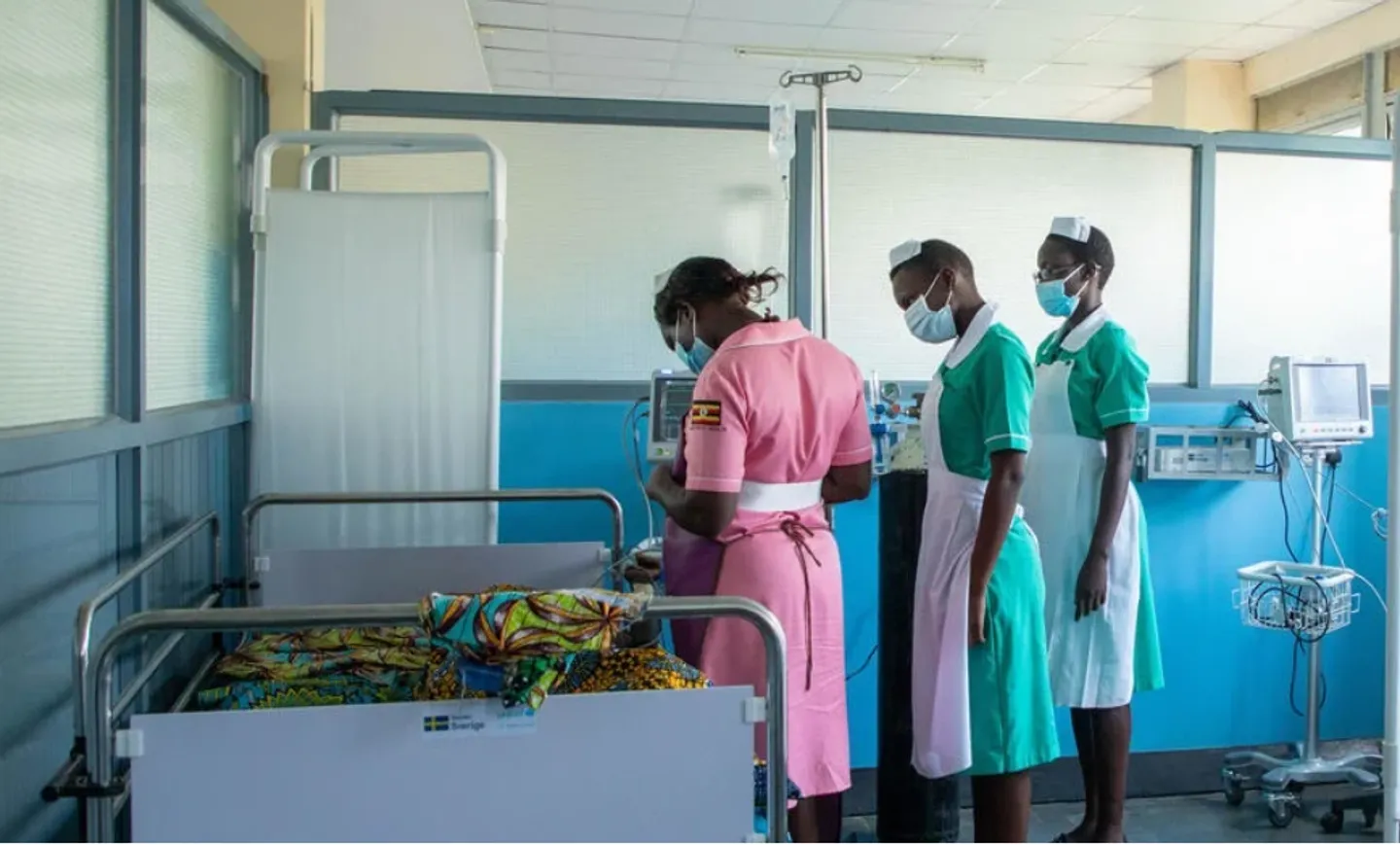
Di trial wey dem run for 59 hospitals for Malawi and Uganda and wey involve over 431,000 women lead to di Active Prevention and Treatment of Maternal Sepsis (APT-Sepsis) programme.
Di initiative dey support healthcare workers make dem close gaps for care by reinforcing WHO's 'five moments for hand hygiene', by using proven guidance on infection prevention, and by applying di 'FAST-M treatment bundle' – fluids, antibiotics, source control, transfer if required, and monitoring.
Impactful intervention
Hospitals wey use di APT-Sepsis protocol see 32% reduction for infection-related maternal mortality and severe morbidity.
Dem also report better hand-hygiene compliance, more use of antibiotic prophylaxis during C-sections, and routine monitoring of vital signs to catch infections early.
'Di APT-Sepsis programme na proof of wetin fit happen when science, policy and frontline care join hand,' say Dr Jeremy Farrar, assistant director-general at WHO.
'To reduce maternal infections and deaths by over 30% no be only clinical success; na call to action for global healthcare systems to put infection prevention for maternal care as priority. We must make sure say these life-saving practices dey expand and continue for all places.'
Small victories
For mamas like Alice, now dem get system wey fit prevent postpartum infections and make sure say dem get timely and correct care if sepsis show.
Di success of dis model for Malawi and Uganda don make WHO and partners wan scale am inside national healthcare systems across di world.
As Grace dey watch her son play, she dey grateful sey she fit share wetin she pass through so dat other people no go suffer.
'Thank God I survive to tell my story,' Grace tell TRT Afrika. 'When I see my son happy and playful, I dey think of other mamas wey go fit see dia children grow because of dis new care protocol. Dat one na beautiful victory.'