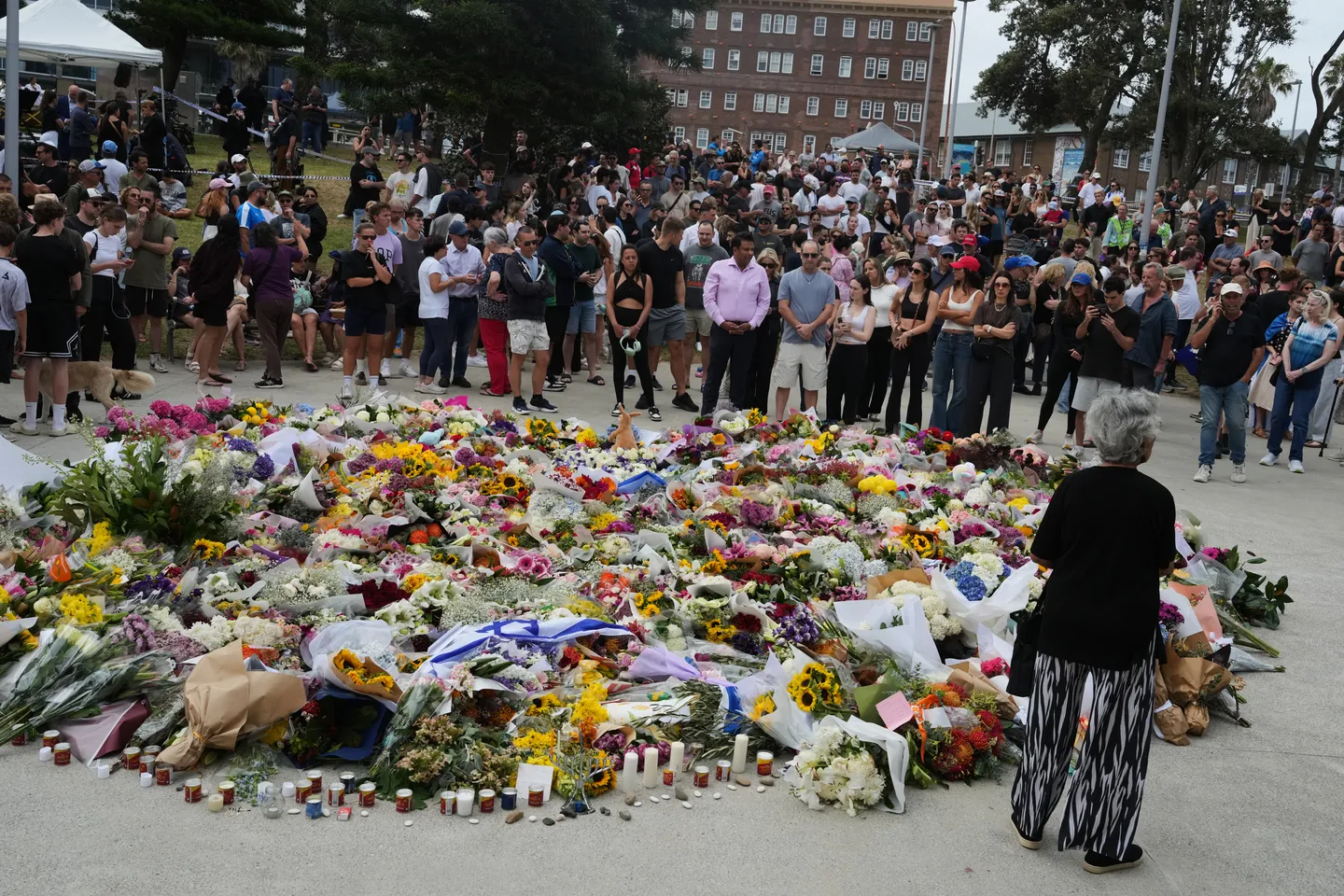
The shooting for Sydney Bondi Beach wey happen for the first day of the Jewish festival Hanukkah na first and foremost deep human tragedy, and na act wey root for antisemitic violence.
Time wey suppose be worship and community gathering turn to bloodshed, leave at least 15 people dead, families scatter, and the city dey mourn.
Any talk wey go follow must start from this fact: the attack target the Jewish community for a sacred time, and the victims deserve make we remember dem, show dem dignity, and give dem justice—without political manipulation.
But history dey show say this kind collective trauma no dey finish for only mourning.
For Western societies—and for much of the world—public violence quick quick turn to broader political story, many times even before investigation finish or motive clear.
The Bondi shooting no different.
Within hours after the attack, online places—especially platforms like X—full of speculation, insinuation, and straight accusation wey dem point at Muslims.
Posts wey link the violence to Islam, migration, or “Muslim extremism” spread fast, even though no verified evidence dey.
Some people for social media even put videos of Christmas linked fireworks to claim say “Islamists” dey celebrate the killing of Jews for Bondi Beach. Some of the misinformation nearly turn foolish.
This quick blaming happen even as authorities dey tell people make dem calm down and as investigations still dey go on.
Wetin make this reaction show true tins na one fact wey dey complicate these stories but no get the same attention.
A Muslim hero
One of the people wey jump to stop the attacker na Muslim.
Fruit seller Ahmed al Ahmed wey just dey Bondi Beach confront the shooter and help neutralise am, put body for danger. The thing wey im do no doubt save many lives.
This no be symbolic solidarity or talk wey come after—the na immediate, physical courage when life dey danger.
But al Ahmed role no travel reach or move as fast for online space as the baseless accusations wey dem dey throw at Muslims as one group. Him story clear the narrative wey some people dey push—and so e dey sideline.
This contradiction na the heart of the bigger problem.
For Western political talk, violence no dey treat neutral. If attacker be Muslim—or even if people think say na Muslim—dem quick quick frame am as big threat to civilisation.
Dem go begin shout for more surveillance, put restriction for religious practice, and push harder immigration policies.
When attacker no be Muslim, the talk change to mental health crises, lone actors, or tragic one-off case.






The end result na selective politics of violence, where identity dey decide how people interpret matter instead of the evidence.
Anti-Muslim hatred no need confirmation; e dey grow for fear, uncertainty, and repetition.
Digital platforms dey speed up the thing, them dey reward outrage more than accuracy and quickness more than responsibility.
Far-right actors sabi this game well. For crisis time, social media fit turn to tool to push long-time agendas under the name of security and national unity.
Muslim communities, whether dem innocent or how near dem dey, go become collateral targets—dem go expect make dem condemn gidigba, prove loyalty, or put distance between demself and crime wey dem no do.
Anti-Islam rhetoric reloaded
This way of doing things get serious consequences.
First, e dey twist how people understand violence. Majority of violent crime for Western countries—like the regular mass shootings for US—no dey driven by religion or ideology.
To dey always join violence to Islam dey divert attention from real and documented threats, like far-right extremism, online radicalisation networks, violence wey dey target women, and system failures for mental health intervention.
Second, e deepen social fracture. When whole communities dey treat like suspect, trust go reduce.
Alienation go grow. Cooperation with authorities go weak. Ironically, policies wey dem use security justify fit end up destroy the social cohesion dem say dem want protect.
Ahmed al Ahmed actions suppose don change the conversation. Instead, dem show how rigid the dominant narratives don become.
Muslim heroism dey treat like exception instead of proof wey go fight prejudice. Muslim citizenship still dey conditional when crisis show.
Australia, like many Western countries, dey face choice now.
Dem fit respond to violence with policy wey base on evidence, responsible media, and communal solidarity—or dem fit continue the road wey fear dey direct blame and dem dey use tragedy for political gain.
The Bondi Beach shooting deserve make people remember am with solemness, no opportunistic distortion.
The Jewish victims deserve justice, no story wey go add more hatred.
And people like Ahmed al Ahmed deserve recognition — not because dem be Muslim, but because the thing dem do remind us one truth wey people dey forget for crisis: humanity no belong only to one identity.
Until Western societies learn to face violence without scapegoating, tragedies like Bondi go continue to serve not only those wey do violence—but those wey dey exploit am.