Na Sarah Ibui
My waka enter African fashion start long before I even notice am.
E start for the quiet, confuse months of the COVID-19 lockdown, when books become both my escape and my mirror.
Na then I begin dey intentionally look for people wey dey look like me for the pages I dey read. I dey find stories wey Black and African women be the main characters—stories wey reflect life wey I sabi as African woman.
Through African and Black literature I find representation wey ground me and remind me say our stories matter.
But as you don begin to see yourself for one place, you go dey look for that same confirmation everywhere else. That literary waka open door to something wey I no expect: proper curiosity about African fashion.
I don always like fashion; wen I dey grow I dey go tailor with my mama, dey see posters of thirty different kitenge styles wey dem tape for wall. Those early memories plant for me love for creativity and cloth.
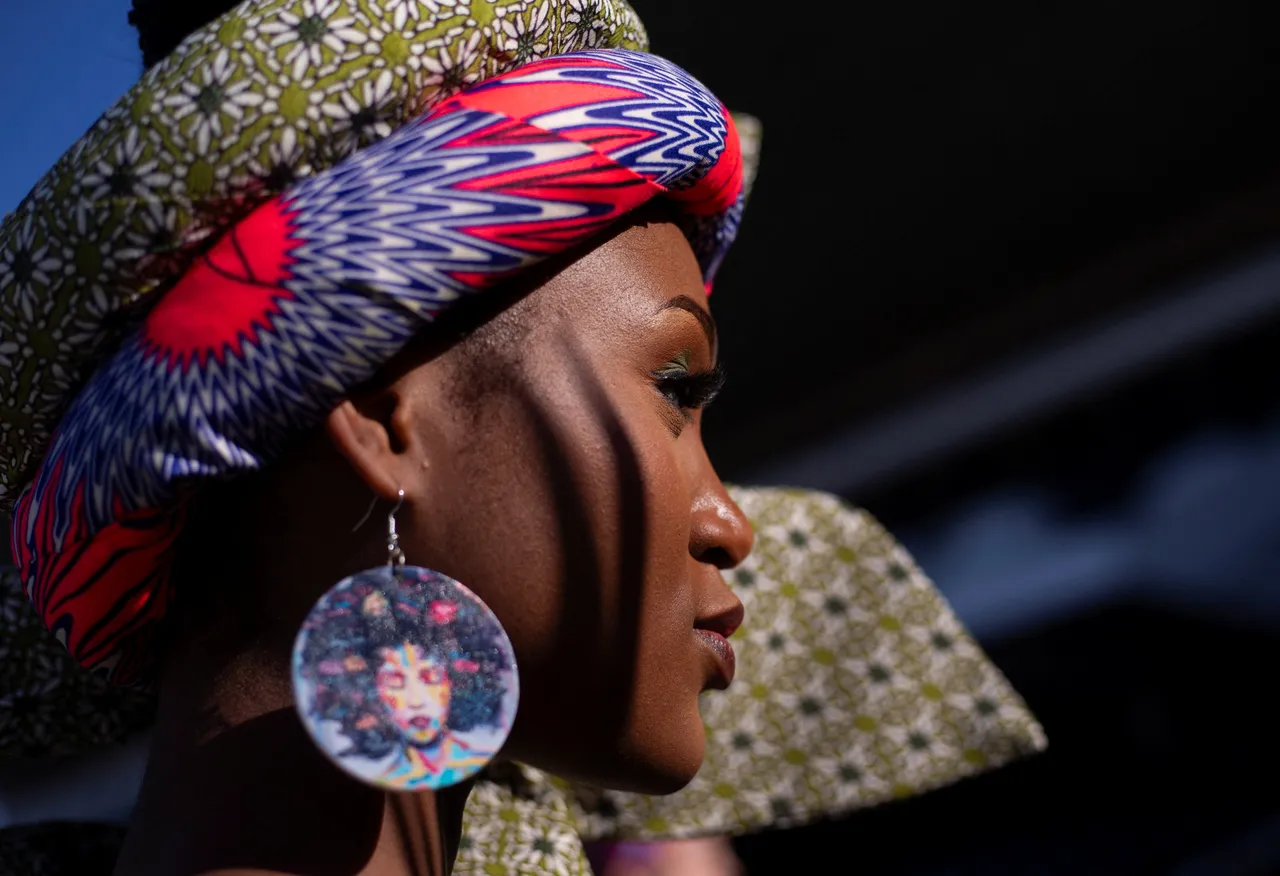
Over the past few years that curiosity don turn to proper commitment. Today, I dey proudly build wardrobe wey mostly come from African fashion brands, pieces wey reflect my identity, my continent, and the creativity wey don always dey there. And e no always mean say na colourful, bold pieces; e still dey show for the everyday 'basics' I dey wear.
Social media speed up that change. TikTok, Instagram and even the small corners of the internet don become windows into African fashion ecosystems wey many of us for no go ever discover otherwise.
Through reels and style videos I find designers whose work really move me—designers for Nigeria, Kenya and Ethiopia. But to like dress for online different from to actually get am when you dey live for Addis Ababa or Juba. Every purchase dey face digital and logistical wahala.
I discover ShopMona, one Nigerian brand wey don hold big part of my wardrobe with pretty dresses and Adire sets. I find Mischelle Sebi, one Kenyan brand, wey tailor wide-leg trousers well. And zewd_design—one fashion designer wey dey Addis Ababa—don turn creative partner and friend. Together we don craft some of the most meaningful pieces wey I get.
Then the first wahala show:
payments.
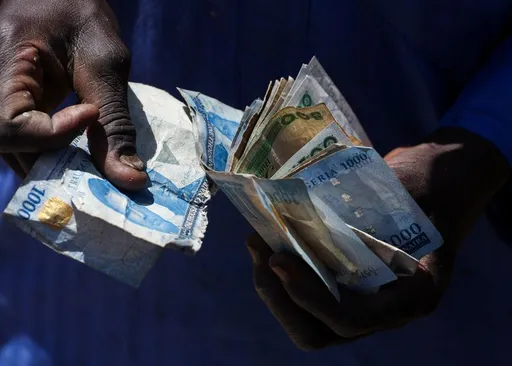
The first time I try order from one Nigerian brand, the website no gree accept my banking details. I refresh the page, re-enter my information, try different cards, but nothing work. This na challenge many Africans sabi well: we fit see the products, we fit afford dem, but we no fit access dem.
Meanwhile, for East Africa I fit easily use M-Pesa to buy from Kenya. One continent, two very different realities wey infrastructure shape.
The second wahala na:
shipping.




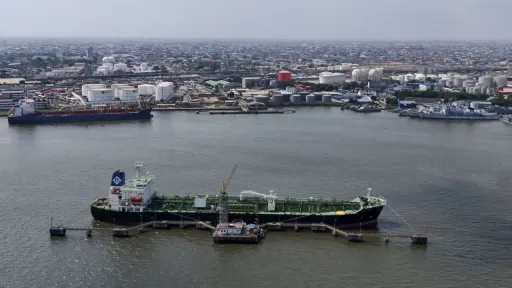
To send item from Kenya go South Sudan manageable because of East African Community trading block, but to ship from West Africa go Ethiopia na different matter.
Dress wey come from Nigeria fit cost four times the price of the item—before taxes. For plenty customers that one just stop everything. E no be desire wey stop us; na systems.
Africans no dey reluctant to shop African; we simply no fit, because non-tariff barriers dey make intra-African trade turn to luxury instead of something ordinary.
Na here African Continental Free Trade Area (AfCFTA) matter well. E no be only another policy—e get potential to make everyday things like payments, shipping and cross-border buying much easier. If e work as e suppose, to buy from designer for Dakar no suppose hard pass to buy from Europe.
UNDP don already dey support countries to prepare for this by to align trade policies, train MSMEs, strengthen technology and help build networks across regions.
Africa don take steps towards integration, but barriers like customs delays, complicated paperwork, shipping wahala and different standards from country to country still dey slow things down.
Plenty African countries get small domestic markets, so businesses need continental access to grow. Fragmented markets make everything expensive and hard to scale, and small businesses feel am most.
AfCFTA suppose fix exactly that. By reducing both tariff and non-tariff barriers, e aim to create smoother, more predictable trading environment across Africa. And because MSMEs dey make up about 80 percent of employment for the continent, their access to bigger markets important well.
If AfCFTA work well e no go only support trade—e go open road for African creativity, entrepreneurship and fashion make dem move freely across the continent like their global counterparts.
My waka—from discovering African literature to proudly wearing African fashion—na part of one bigger story: continent wey dey reconnect with im creative power.
When payments dey work seamlessly, shipping go affordable, and trade systems finally support African brands, African fashion go move from being admired online to become proper presence for wardrobes across the continent and beyond.
The author, Sarah Ibui, na Programme Analyst for UNDP.
Disclaimer: Wetin the author talk no necessarily reflect the opinions, viewpoints and editorial policies of TRT Afrika.