From Hafsa Abdiwahab Sheikh
War wey dey for Sudan don turn from political fight to one of the worst humanitarian and public health disasters for the world, and e don dey cause wahala wey pass the country.
The fight between the Sudan Armed Forces (SAF) and the Rapid Support Forces (RSF) don destroy important infrastructure, block the health system, and scatter millions of people from their homes.
As hunger dey spread, hospitals don dey ruin and people don dey run comot, and e clear say this matter don turn regional emergency.
We need strong and urgent humanitarian action together with Africa-led diplomacy. The political centre for solving this problem must dey for Africa.
Human suffering huge. According to UNICEF situation report for Sudan in January 2025, more than 30 million people — over half of Sudan’s population — now need urgent humanitarian help, and between 12 and 14 million people don lose their homes, making Sudan one of the biggest displacement crises for the world.
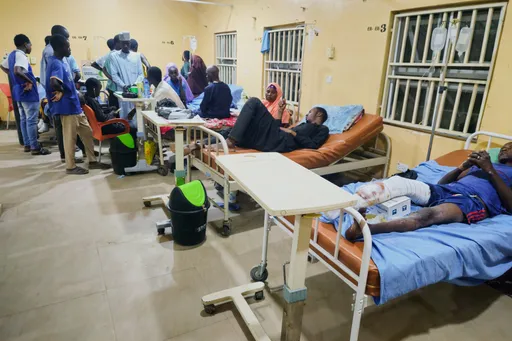
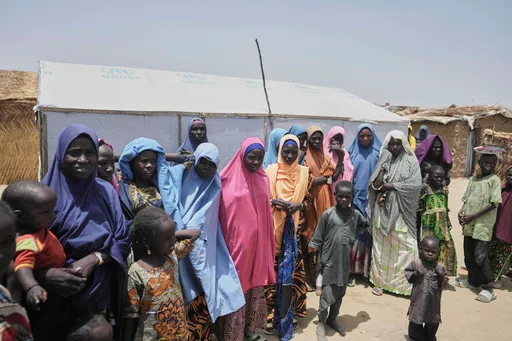
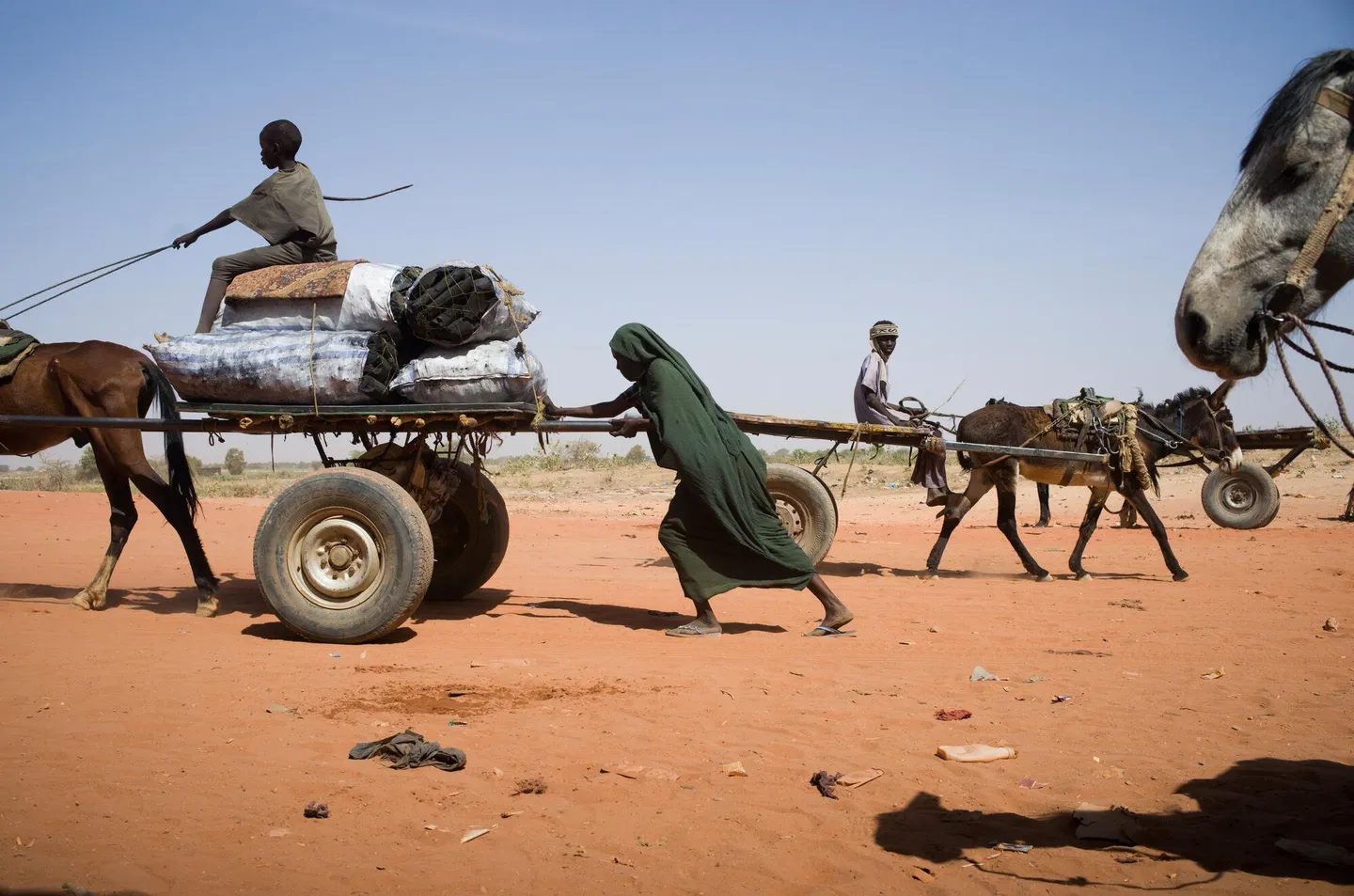
Families dey stay for unfinished buildings, overcrowded schools and makeshift camps, often without clean water, sanitation or enough food.
Every number you hear show say life don collapse: parents no fit find food, young people don stop school, and whole communities don lose the stability wey dem don get for years.
Hunger don already show for parts of South Kordofan and Darfur, and Al-Fasher dey among the worst-hit places.
Mendy Hameda, who be former African Union peace envoy to East Africa and now dey support the work of the Sudanese aid group Hope Relief and Rehabilitation for Disability Support (HRRDS), talk say fighting and bombardment dey continue inside and around Al-Fasher.
The town wey long time dem ignore and now dey under RSF control don experience attacks on IDP camps, markets don dey destroyed, food supply chains cut, and health facilities don turn rubble.
Reports say thousands of civilians don flee Al-Fasher as violence increase, with mass displacement, destroyed shelters for displaced people and health services almost collapsing.
Aid workers warn say hunger dey get worse as convoys no fit reach the communities wey need help.
Access to humanitarian aid remain one of the biggest challenges: convoys dey attacked, dem dey block them, or them delay them so that aid no reach.
Even when donors release money, often the aid no fit reach the people wey need am most. Aid organisations talk say access routes don block for weeks.
For many places volunteers, local medics and civil society groups be the first responders, but them dey work with little equipment. Their bravery na example, but their capacity limited.
For this situation, African-led diplomacy no be only important — e necessary. Regional bodies like the African Union (AU) and IGAD get the duty, proximity and local understanding wey fit help make peace properly.
Even though past plans sometimes allow temporary pauses for humanitarian action, the worsening conflict need a structured political push.
If the wider world show indifference or no wan intervene properly, the biggest burden go fall on African leaders.
With displaced people and civilians in Al-Fasher facing hunger and violence, Africa no fit wait for outside actors wey get different priorities.
African institutions must act now. Although AU and IGAD don try respond, their efforts dey fragmented and often hampered by competing diplomatic agendas.
AU don issue statements and call meetings, but e never set up a durable mediation mechanism with the power to force SAF and RSF to talk or to guarantee humanitarian access.
This gap show lack of implementation mechanisms and over-reliance on external diplomatic initiatives like the so-called Quartet (Saudi Arabia, the United States, the United Arab Emirates and Egypt), which still no bring solution.



To understand Sudan’s political and social realities means solutions wey come from African countries no be optional — dem necessary.
The response must be a coordinated framework built on four key pillars:
1) AU–IGAD mediation team led by one empowered envoy with a clear mandate.
2) Regional ceasefire monitoring and verification and firm guarantees for humanitarian corridors to allow aid in.
3) An African humanitarian force that works directly with Sudanese civil society and front-line groups supporting communities.
4) Regular, transparent meetings of African institutions and the public to keep accountability and follow up on commitments.
International actors, especially the UN Security Council, must strengthen and support African leadership.
The world should provide technical help for getting aid through, keep funding humanitarian operations, and put diplomatic pressure on the parties wey dey fight.
People everywhere must understand say the collapse of Sudan go cause mass forced displacement, disrupt borders and worsen insecurity across conflict-affected regions and areas hit by climate shocks.
The way forward needs concrete measures: humanitarian routes must be negotiated, implemented and monitored, and civilians must be protected with no conditions.
Soldiers must comot from hospitals and those hospitals must be treated as protected humanitarian sites.
Supply routes for essential goods must reopen with transparent monitoring to prevent diversion. Emergency nutrition programmes and mass vaccination campaigns must get priority, especially for children who already show signs of malnutrition.
If people no act, the consequences go be severe. Aid agencies warn say families dey skip meals for days, dey trek far to carry unsafe water, and dey sell the little things wey remain just to survive.
A deep economic collapse for Sudan go spill over to the region: more displacement, weaker border security, threats to trade routes and more conflict across Africa and the Sahel.
Stability for Sudan no be only humanitarian priority — e essential and urgent.
Sudan dey for serious trouble. If there no immediate diplomatic pressure, durable humanitarian access and strong Africa-led cooperation, the country go continue to put its people at risk of starvation, disease and violence.
The continent must lead, and international partners must support — the political centre to solve Sudan must remain in Africa.
Millions of Sudanese dey wait for leadership wey understand the urgency and fit act with determination.
Writer: Hafsa Abdiwahab Sheikh — independent journalist and researcher focusing on East African politics.
Disclaimer: The opinions the writer express no necessarily be the same as those of TRT Africa.