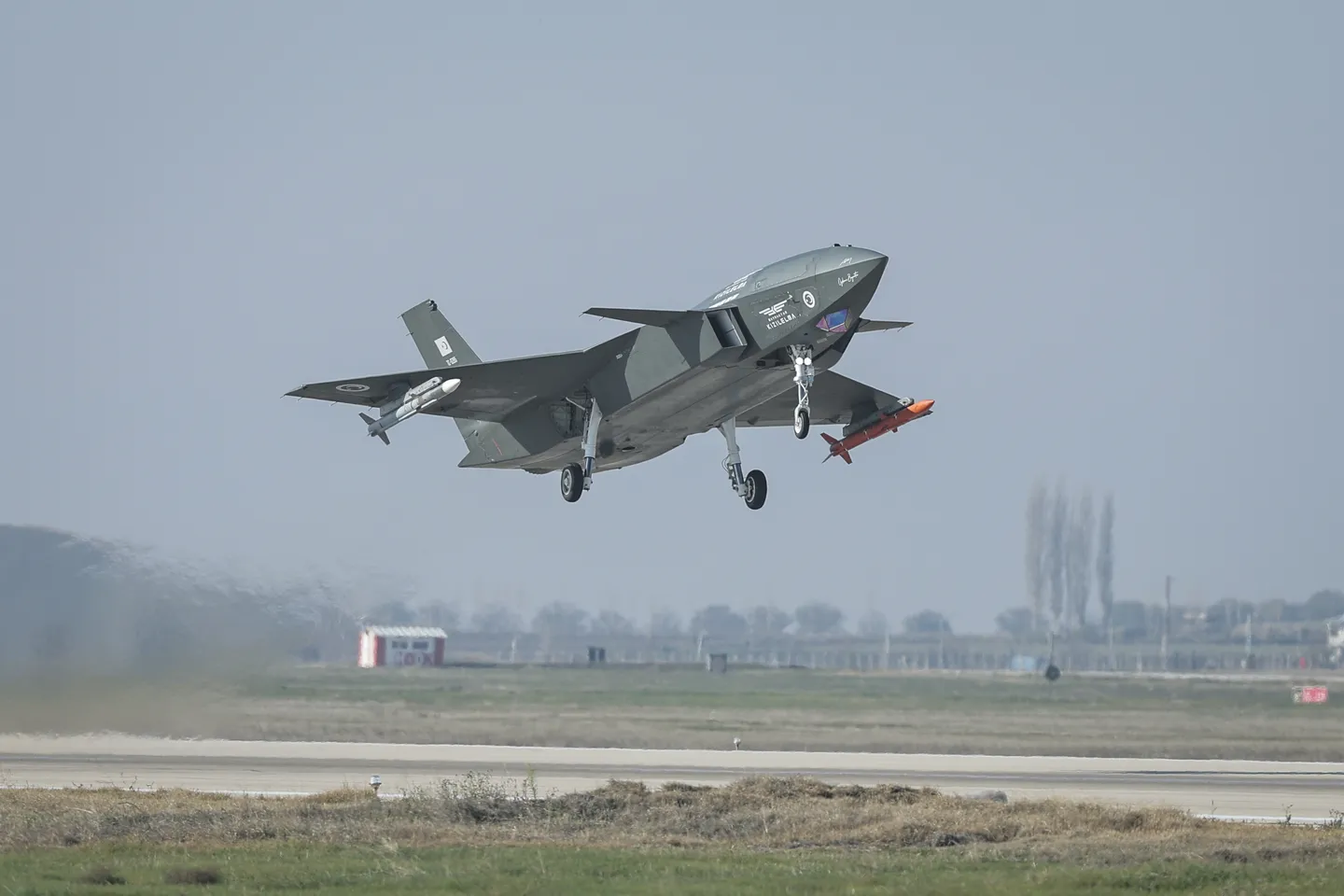
Na historic first for combat aviation: Türkiye Bayraktar Kizilelma unmanned combat aerial vehicle (UCAV) don successfully engage and destroy one aerial target using indigenous beyond-visual-range air-to-air missile.
The live-fire test wey dem do late last month for Black Sea near Sinop na the first time wey dem public show say unmanned fighter jet don shoot down high-speed, jet-powered target with radar-guided missile.
This milestone dey raise UAV dem from the normal work of surveillance and ground strikes enter the most contested part of airpower: air-to-air combat and air superiority.
The show wey include full domestic kill chain, from detection with homegrown AESA radar reach target destruction with indigenous missile, dey indicate new stage of sovereign capability for the country. E still mean say tins don change for global airpower, because e dey challenge old ideas about wetin unmanned systems fit do, dey push change for airpower doctrine, and fit affect balance of power for the region and beyond.
For many years, unmanned aircraft mostly dey do intelligence, surveillance, reconnaissance (ISR) and small strike work. Early systems like the US MQ-1 Predator, MQ-9 Reaper, or Türkiye’s own Bayraktar TB2, sabi well for spotting and attacking ground target but dem no dey control the skies.
Bayraktar Kizilelma different because dem design am from the beginning as UCAV wey fit do air-to-air engagements. The recent missile test show say the idea correct: e track fast, jet-powered drone with im onboard radar and neutralise am for distance with domestically developed beyond-visual-range (BVR) missile.
Importantly, Kizilelma na the first UCAV wey we know don launch and guide radar-guided air-to-air missile reach successful kill. This achievement put Türkiye before plenty high-profile rival “loyal wingman” projects, many of which still dey for development or dey do simulated tests. E even do am before initiatives like Australia’s MQ-28 Ghost Bat, wey dem plan do similar live-fire test with AIM-120 AMRAAM next month.
The test show say advanced UAVs wey get fire-control radar and long-range missiles fit threaten and neutralise enemy aircraft. Na why air forces fit begin reason to use unmanned platforms for missions like defensive counter-air patrols, border interceptions, and operations for highly contested airspace — roles wey before now na crewed fighters dey hold.
Indigenous kill chain: One important part of the Kizilelma test be say every link for the kill chain na domestic. Kizilelma dem build am for Baykar; im MURAD AESA radar na ASELSAN make; and the Gokdogan air-to-air missile na TUBITAK SAGE develop. This domestic trio give Türkiye freedom to deploy, modify, or export the system without need foreign approval.
Plenty countries dey face strict licensing when dem wan buy advanced missiles or sensors, but Türkiye domestic ecosystem mean dem no dey under those restriction and e fit make dem attractive as supplier to countries wey want advanced airpower but no fit buy Western manned fighters.
Baykar don dey sell drones widely, and TB2 dey operate for many countries. If Kizilelma reach the level wey dem fit export am, e fit change regional power balance the way TB2 do look during the Second Karabakh War and other conflicts. Baykar cooperation with Italy’s Leonardo on co-production show say Kizilelma fit even enter European or NATO force structures.
The coming of an unmanned fighter like Kizilelma get big meaning for force structure and cost. Modern fourth- or fifth-generation crewed fighters big time expensive to buy and to run — not only the unit price but the training, maintenance, and infrastructure wey human pilots need.
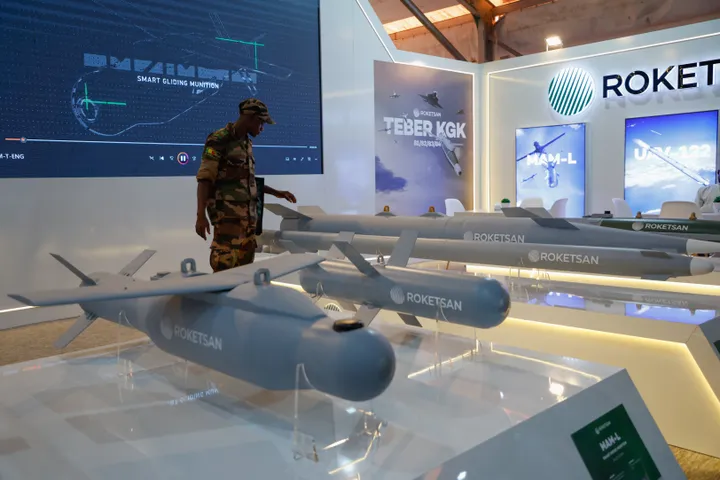



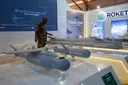



UCAVs fit help reduce these burden. Baykar don talk say Kizilelma goal na to do tasks wey normally manned fighters dey do at reduced operational cost and risk. This one fit make militaries raise their combat mass, field more aircraft with the same budget, and keep their most advanced crewed planes for special missions.
If force build around high-low mix of manned and unmanned fighters, dem fit run distributed, attritable operations wey before dey too risky. Commanders fit send UCAVs go the most dangerous intercepts, patrols, or suppression missions without the political and human wahala wey dey when pilot die.
All these prospects support the idea say future air forces no go just get small number of elite fighters, but fit field swarms or formations of UCAVs wey fit cooperate with crewed aircraft or operate alone. The net effect fit be more coverage and firepower for the same cost.
Profound implications: This development get big impact for doctrine. The arrival of credible air-combat UAVs add another layer to deterrence and go make enemy planning more complex. From deterrence point of view, unmanned fighter fleet fit dey patrol borders or contested airspace steady, and e dey signal say any incursion fit meet interceptors wey no put friendly pilots for risk.
This fit strengthen deterrence because the threshold for engagement fit low. Country fit dey more willing to send drones to confront hostile aircraft early and often, since the political cost of lost UAV smaller than the cost of lost pilot.
Basically, UCAVs bring ambiguity. The old way of measuring enemy airpower by counting crewed fighters no dey work like before.
This one go likely cause ripple effect for doctrine and procurement. From now on, when air forces dey draft strategy or shopping list, dem go need to consider unmanned combat aircraft as possible core assets.
Kizilelma’s test go likely influence discussion well beyond Türkiye. Other big powers get similar projects, including the US XQ-58A Valkyrie, China’s GJ-11 UCAV, and Russia’s S-70 Okhotnik, but none don publicly show air-to-air kill by unmanned system yet. Türkiye’s success fit push these countries to hurry or speed up their programmes.
The Kizilelma milestone mean say unmanned aircraft don cross from supporting roles enter frontline combatants for the race to air superiority.
Over the next years, doctrines, training programmes, and force compositions go change as air forces begin to integrate formations of unmanned fighters wey fit operate alongside or ahead of human pilots.
Türkiye’s accomplishment pass simple breakthrough; na strategic marker for the future of warfare.