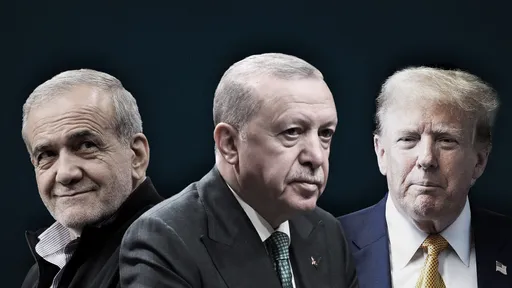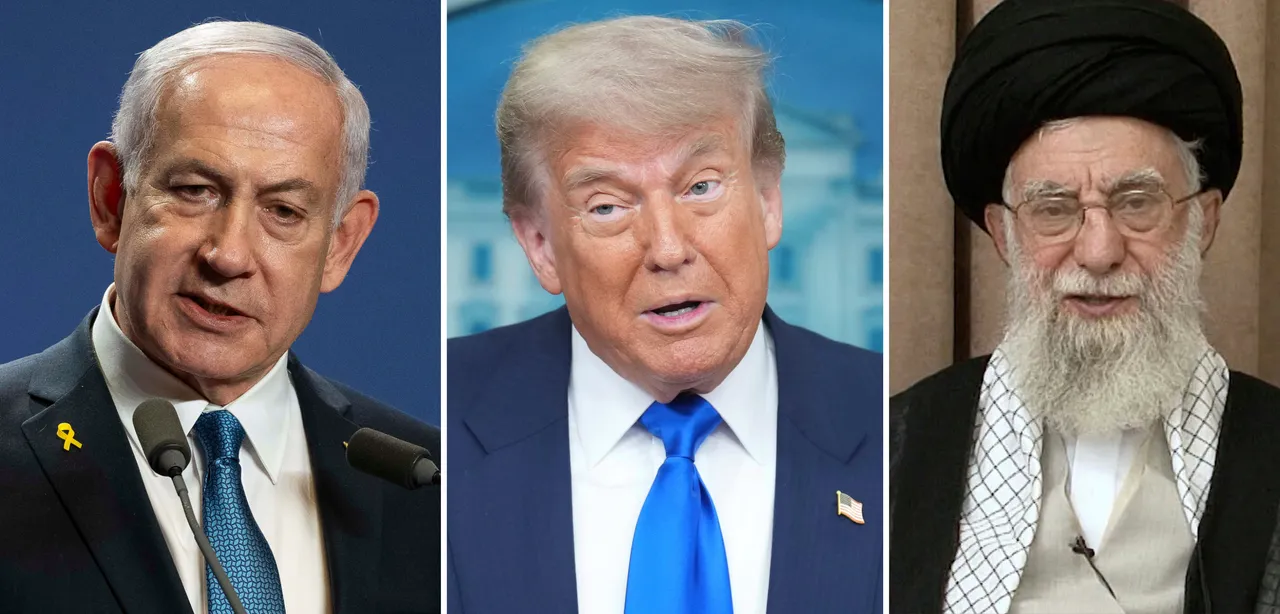
United States President Donald Trump, wey promise say e go bring peace for world, don threaten Iran say US go take "very strong action" if Iran knack protesters, and dis kain talk don push whole region go dangerous tipping point.
Dis kain rhetoric don raise concern about how Iran fit respond.
Di Shia-led state, wey get many allies from Lebanon’s Hezbollah to Yemen’s Houthis and Iraqi Shia groups, fit mobilise im proxies to counter di growing threat from Israel-US alliance, and experts dey talk say dat fit turn di whole region to battlefield.
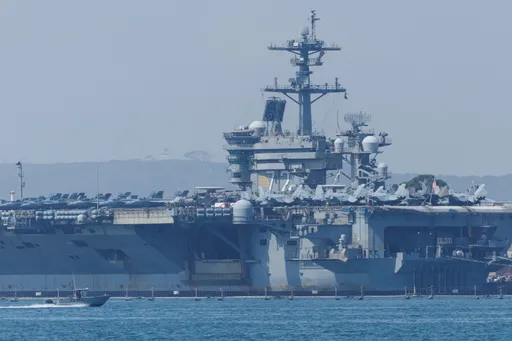
Di turbulence fit also disturb oil shipments for Bab el Mandeb Strait and di Strait of Hormuz, wey be important waterway for Gulf region wey separate Iran from im Arab neighbours and wey carry about one-fifth of di world oil shipments.
For one recent statement, Iran’s 87-year-old Supreme Leader, Ali Khamenei, respond to Trump threat say any action against Tehran go result for American downfall for di region.
Mohammed Eslami, political scientist for European University Institute, no think say US involvement for di protests strong enough to change regional order, but im talk say di real factor wey fit destabilise na renewed US and/or Israeli military strikes on Tehran.
"Such an escalation would likely reactivate Hezbollah and the Houthis, re-opening multi-front pressure on Israel. This would almost certainly affect the Red Sea and the Bab el Mandeb Strait, increasing risks to maritime trade, insurance costs, and global energy supply chains," Eslami tell TRT World.
As result, di wider Middle East go face more instability, even if di main conflict still remain mostly for Iran, the Iranian academic talk.
Even though direct US military intervention fit possibly lead to assassination or physical removal of Ali Khamenei, Eslami say dat no mean say di Shia cleric-led state go collapse automatically.
"The Iranian system is institutionally resilient, with multiple power centres capable of preserving regime continuity. Security institutions, ideological networks, and bureaucratic structures would likely survive leadership decapitation," Eslami add.
"A genuine regime collapse would require prolonged, nationwide protests that are organically aligned with sustained external pressure, something that is historically rare and, in my assessment, improbable in the Iranian case."
Towards increased turbulence
Since di start of Iranian protests, wey begin after sudden collapse of di country currency last month, Trump don issue many threats against Tehran, urging demonstrators make dem try take over state institutions and promising say US "help is on its way".
But dis 'help', no matter di character or intensity, go cause more wahala for an already unstable Middle East, Luciano Zaccara, Gulf-based political analyst on Iran, talk.
"Depending on the Iranian capabilities and constraints, a retaliation to a US attack will happen without any doubt, as has happened every time Israel or the US attacked Iran," Zaccara, wey predict say US fit attack Tehran soon, tell TRT World.
Other experts sef dey feel say regional tension go spread because any US intervention—whether political, media-based, through sanctions, or by supporting opposition groups—go be seen by Tehran as indirect warfare, and dat fit make Tehran activate im allies across di Middle East.
US-Iran escalation go raise risk for di Strait of Hormuz and di Gulf of Oman, wey go affect oil prices and global economic stability as di region go divide more between US-aligned bloc and Iran-aligned bloc, Adel al-Shuja'a, prominent Yemeni politician and analyst, talk.
Like Zaccara, al-Shuja’a also believe say US intervention no go stay only for Iran — e go bring security and political instability across di Middle East.
Since Hamas’s October 7 attack, Israel don carry out many strikes not only against Palestinians for Gaza and di occupied West Bank but also against different Middle Eastern states, and dis don increase instability for di whole region.
Syria, wey just comot from brutal civil war, dey face Israeli attacks, and Lebanon, wey Israel dey also target, dey try manage im internal politics, including di question of disarming Iran-backed Hezbollah.
Mahjoob Zweiri, academic and political analyst on Middle Eastern politics, predict say US-Iran escalation go bring "more uncertainty" into regional politics, including di Palestinian question.
"Israel is pushing for war. The only player who seems to be benefiting from the escalation is Israel. The Netanyahu government has been motivated by one major idea, which is revenge. They want to see the whole region suffering because of what happened on October 7. They want to put the region under severe pressure," Zweiri tell TRT World.
"Their desire is to weaken the Iranian government as much as possible. Americans and Israelis strongly believe that this is their own moment to do so," he say.
How will the Gulf react?
According to regional sources and diplomats, Saudi government, wey don normalise relations with Iran while dem still reject same with Israel despite US pressure, dey try de-escalate tension between Washington and Tehran.
Also, Qatar and Oman, wey get relations with Iran, no want war between di two sides, while UAE, wey be close ally of Israel, never give clear sign about wetin dem dey think for di rising tension.
"The Gulf states do not act as a single bloc," al-Shuja’a tell TRT World.
Al-Shuja’a say Qatar and Oman go try play mediator role between US and Iran.
On the other hand, Kuwait go show cautious neutrality while Bahrain, wey get Shia majority for Gulf Arab states, go adopt harder stance against Iran because of im internal security considerations, he add.
"Gulf states support the containment of Iran but fear that US escalation could drag the region into an open war they do not want as they seek protection without being pulled into war," the Yemeni analyst say.
Even though oil-rich Gulf states get governments wey friendly to US, dem no want to lose regional and global influence wey dem get mainly because of their energy export status.
Potential war between US and Iran go negatively affect oil infrastructure and export terminals, and dis go make foreign investment very vulnerable.
"As a result, Gulf governments are pursuing de-escalation, quiet diplomacy, and strategic balancing rather than openly supporting military confrontation with Iran," Eslami, the political scientist, say.