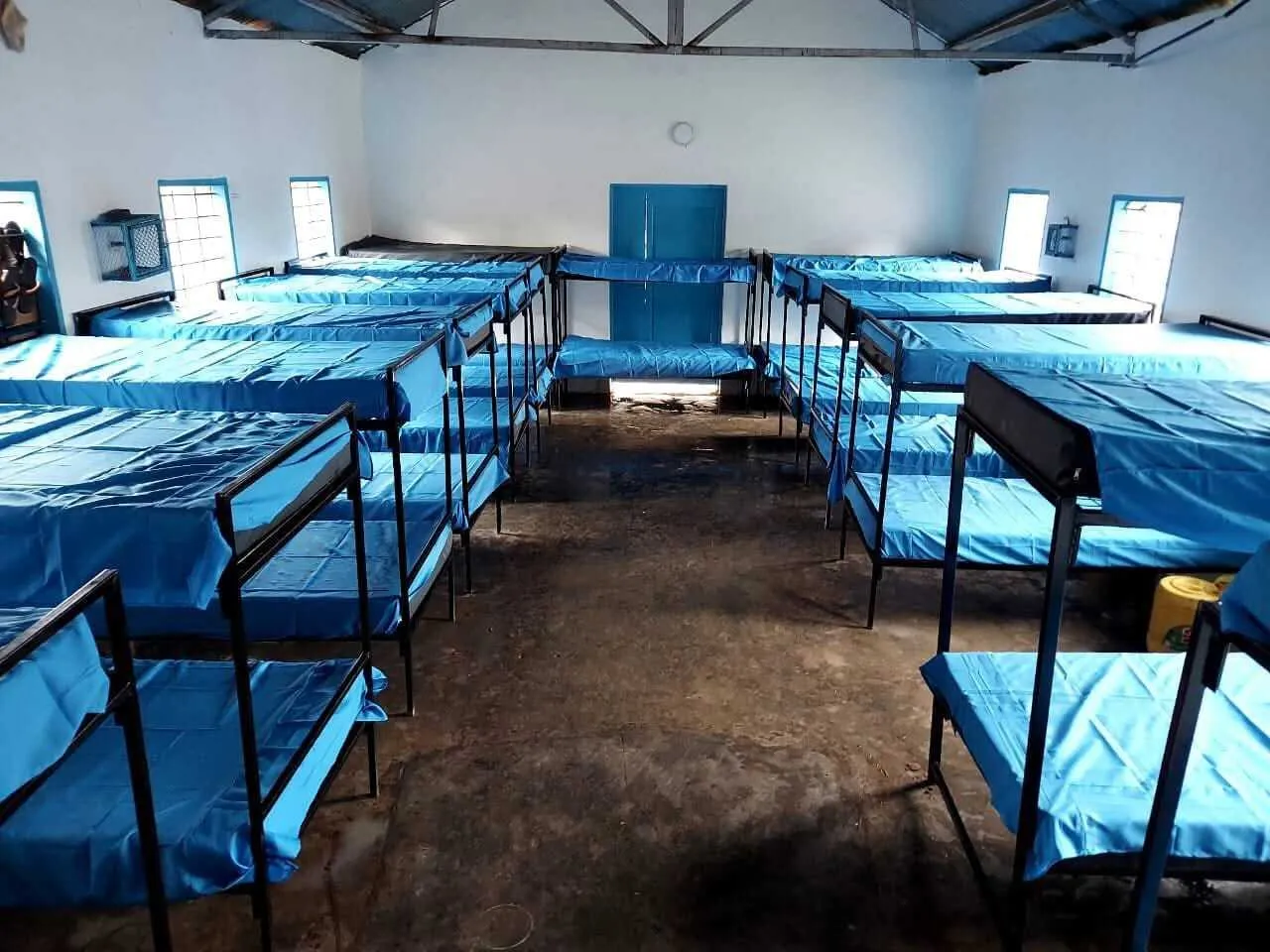
Behind gate for Mombasa Jomvu Constituency, di only rehabilitation centre for Kenya wey dey rescue people wey get mental illness directly from the streets dey.
Mama Amina Abdalla centre no be your everyday government hospital. Neither na drop-in clinic. For here, people wey their families abandon as "sick" and "cursed" find sanctuary wey go house dem, treat dem and teach dem skills to rebuild their lives.
Every morning Amina and her team dey drive through Mombasa for ambulance wey get her organisation emblem.
The calls no dey stop often. One person go report say dem see man wey dey wander aimlessly for Tudor. Another go seek help for woman wey dey talk to herself for Bamburi. Third caller go talk about youth wey dey lie still under bridge for Changamwe.
The ambulance rarely travel more than one kilometre before e don full. All na normal day work for Team Amina.
"If you come with me now for the ambulance, I fit pick ten people wey their sickness don severe in less than one kilometre," na so the former transport company owner talk.
The wahala of people with mental illness wey dem leave to fend for themselves for street no limited to Mombasa. Amina organisation dey always receive requests from Kilifi, Likoni, Kwale and neighbouring constituencies.
Pioneering mission
Because government no get rescue programme, the centre don become the region only emergency response for people wey dey battle psychiatric conditions.
Most of dem dey for heartbreaking condition when dem rescue dem – burns from sleeping too near open fires, hair full of lice, dehydrated, injured, sexually abused, malnourished, or their mind don lost beyond recognition.
Some of these people don dey wander for months, even years, after their families reject dem.
For Amina mind, the first step to rehabilitation na to restore their dignity. Dem patients dem go shave, bathe, get clean clothing, chop and dem go do medical assessment. Dem go under screening for HIV, diabetes, infections and untreated wounds before the centre in-house psychiatrist go see dem and prescribe medication wey suit their needs.
Some people go need days of stabilisation before dem fit speak clear. Others go recover physically before psychiatric treatment fit start.
"No one is ever turned away," Amina, founder of the Mombasa Women Empowerment Network, tells TRT Afrika.
When you visit the centre you go see how this kind-hearted woman wey her mission start with one solo rescue now mean the world to many people wey depend on her for fresh shot at life.
All these courses dem finish with certificate wey suppose help the inmates get employment or start small businesses.
For the workshops inside the centre, items wey the inmates craft dey line the shelves, including furniture, clothing and repaired electronics items.
Poverty fuels crisis
The circumstances wey bring most of the inmates go Amina centre rooted for more than illness. She point out say poverty na silent driver behind plenty cases.
For Kenya, where unemployment widespread and housing scarce, plenty young people dey slide into depression long before dem reach the streets.

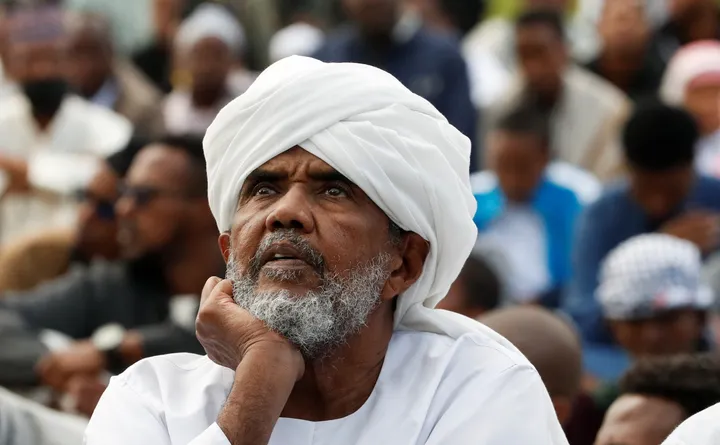
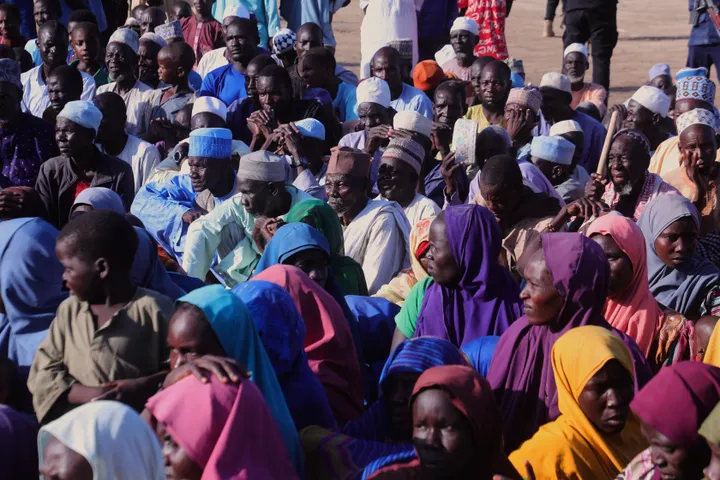




Families wey dey struggle to meet daily needs no fit afford psychiatric medication or counselling. Cheap and addictive drugs like mogoka, wey cost as little as 30-50 shillings (US $0.2-0.3), dey become temporary escape wey dey worsen underlying mental conditions.
"More than 80% of the people I rescue come from poor backgrounds," Amina says. "My goal na to help each person move from the streets to self-reliance."
To run the sanctuary, however, na financial miracle dem need every month. The centre dey operate without corporate donors, NGO partnerships or government funding.
"Food alone costs 1.1 million shillings ($8,530) monthly. Well-wishers contribute around 400,000 shillings ($3,100). Medication requires another 650,000 shillings ($5,040). Salaries are paid entirely out of the centre's pocket," Amina says.
Construction for the centre don dey progress in phases for eight years, based on availability of funds. Only about 20% of families contribute small monthly amounts.
Without advanced diagnostic machines and professional army of specialists, Amina centre dey deliver results wey fit rival and sometimes surpass institutional care elsewhere. But still plenty work remain.
"There are scores of people still out on the streets, waiting for help. Every rescue underscores the gaps in Kenya's mental healthcare system, especially in a country with fewer than ten psychiatrists in one of its largest cities. Our centre alone cannot carry the b
Beyond the standard 15-minute security clearance at the gate, the centre na literally breath of fresh air with its green setting and simple but meticulously maintained compound.
Inside, group of aspiring barbers dey busy practicing haircuts as part of their vocational training. Women, dressed neat for blue and pink uniforms, quietly dey do their tasks around the facility. Some dey sit for shaded areas, dey talk soft, dey smile for visitors or dey play games.
When lorry full of supplies drive in, inmates and volunteers go form neat line, dey take turns offloading bagfuls of food items.
Road to recovery
Many of these people dem don once dey find naked for the streets, disoriented and helpless.
The centre currently dey house 160 patients for different stages of recovery. Around 40 of dem no get anywhere to go. Rejected by family or with no relatives found, dem dey live permanently inside the safety of the institution wey don become their adopted home.
Over the years, more than 2,000 people don pass through the gates – rescued, treated, rehabilitated and reintegrated into society.
"Our patients are from Kenya, Tanzania, Uganda, Congo, and even one from the UK. Severe mental illness often make people wander across borders without knowing, dey walk long distances until exhaustion end their journey. For those wey dem bring here, this centre become their first port of safety," Amina tells TRT Afrika.
Once dem stabilise, the patients start structured rehabilitation programme wey dey teach them basic life skills like hygiene, communication and emotional regulation before dem move go vocational training.
The centre dey offer courses for tailoring, welding, electrical installation, phone repair, metalwork, hairdressing and computer skills.urden forever,