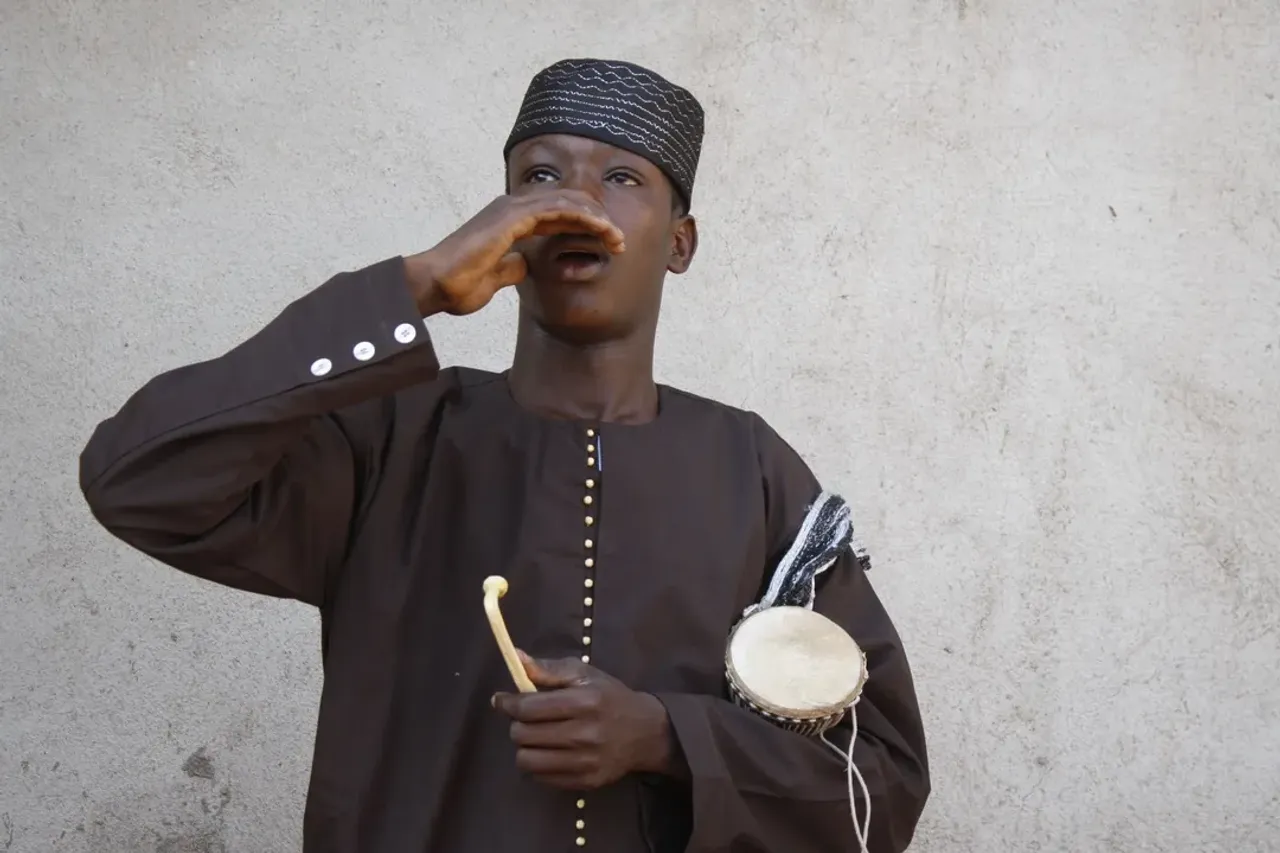
Jean-Christophe Mbang dey switch between French and Bassa with ease, but e get one giveaway. When e dey speak French, di Cameroonian dey often say 'lé' instead of 'le' — small slip wey show invisible architecture of im mother tongue.
For Bassa, di sound 'e' dey correspond to 'é', and dis phonetic matter dey follow am across languages, so e fit sound like grammatical mistake but na proof of something wey deeper about how we learn to speak.
Maryam get another kind wahala. Dis Algerian woman fit handle Arabic complex consonants fluent, but French names like Pierre or Patrick dey make her stumble. Arabic no get 'p' sound. Dat letter no dey. No sound, no letter — that one mean say no easy way to pronounce words wey build around am.
Dem no be errors or deficiencies. Dem na demonstration of one linguistic reality:
every language dey shape di mouth different
and dem early patterns dey continue through life, no matter how many languages person learn later.
"Phonetically, each language get unique sounds wey dey accentuate wetin the speaker dey try to convey," Gabonese linguist Régis Ollo Nguema tell TRT Afrika.
He explain say language build from im repertoire of sounds, wey linguists dey call an 'articulatory basis'. Dis foundation wey dem set for childhood na e dey determine not only wetin person fit talk easily, but wetin go still hard to pronounce forever.
How dem dey change sounds
Look Wolof, language wey many people dey speak for Senegal. When Moustapha wey dey Thiès talk about car, e go call am 'wetir'. For French, dem go call am 'voiture'.



Di word 'civilisé' dey turn to 'silwissé'. 'Lavabo' dey become 'lawabo'. Dis no be just approximation or mistake — Wolof no get sounds like 'v' or some 'c' sounds, so e dey adapt French loanwords to fit im own phonetic system, changing both pronunciation and spelling.
Turkish show the same thing by absence. Their 29-letter alphabet no include 'w', 'x' and 'q'. One Turkish person wey no sabi English or French fit find name like Malcolm X hard, and fit even drop the final letter completely. But person wey sabi many languages fit use sounds dem learn from other tongues to fill the gap.
This matter dey show well for sports commentary, where many non-African broadcasters dey trip over African names. "Compared to French people or other nationalities, I fit pronounce the name (Kylian) Mbappé correct from an African perspective," Nguema talk. "I fit say Mbaye, or even Ndutumu. Native French speaker go say M'bappé, M'Mbaye or N'dutumu."
Di difference dey for pre-nasalised sounds wey dey come before oral ones. French speakers fit pronounce 'mb' inside word like 'tombe' without wahala, but dem dey struggle to make same combination for the beginning of a word. Dem no learn that particular articulation when dem small.
Patterns wey no dey change
Steady study and practice fit help people learn and even master plenty languages, but phonetics experts agree say some sounds just no fit enter person articulatory repertoire as adult. Others fit be approximated, but dem go always carry accent wey show where person come from.
"As Gabonese for example, I no go fit master di range of clicks wey dey some South African languages," Nguema tell TRT Afrika. "My articulatory base build on two languages, Fang and French. I fit pronounce French sounds more or less correct, but my Fang sounds go dey more authentic."
With about 7,000 languages catalogued worldwide, one person articulatory range go always get limit. Even Ziad Youssef Fazah, the Lebanese hyperpolyglot wey dem credit for speaking 58 languages, fit still struggle outside the languages wey dey for im repertoire.
After years of study, wetin count as 'correct' pronunciation still dey relative, shaped strongly by di first sounds wey we learn to make.