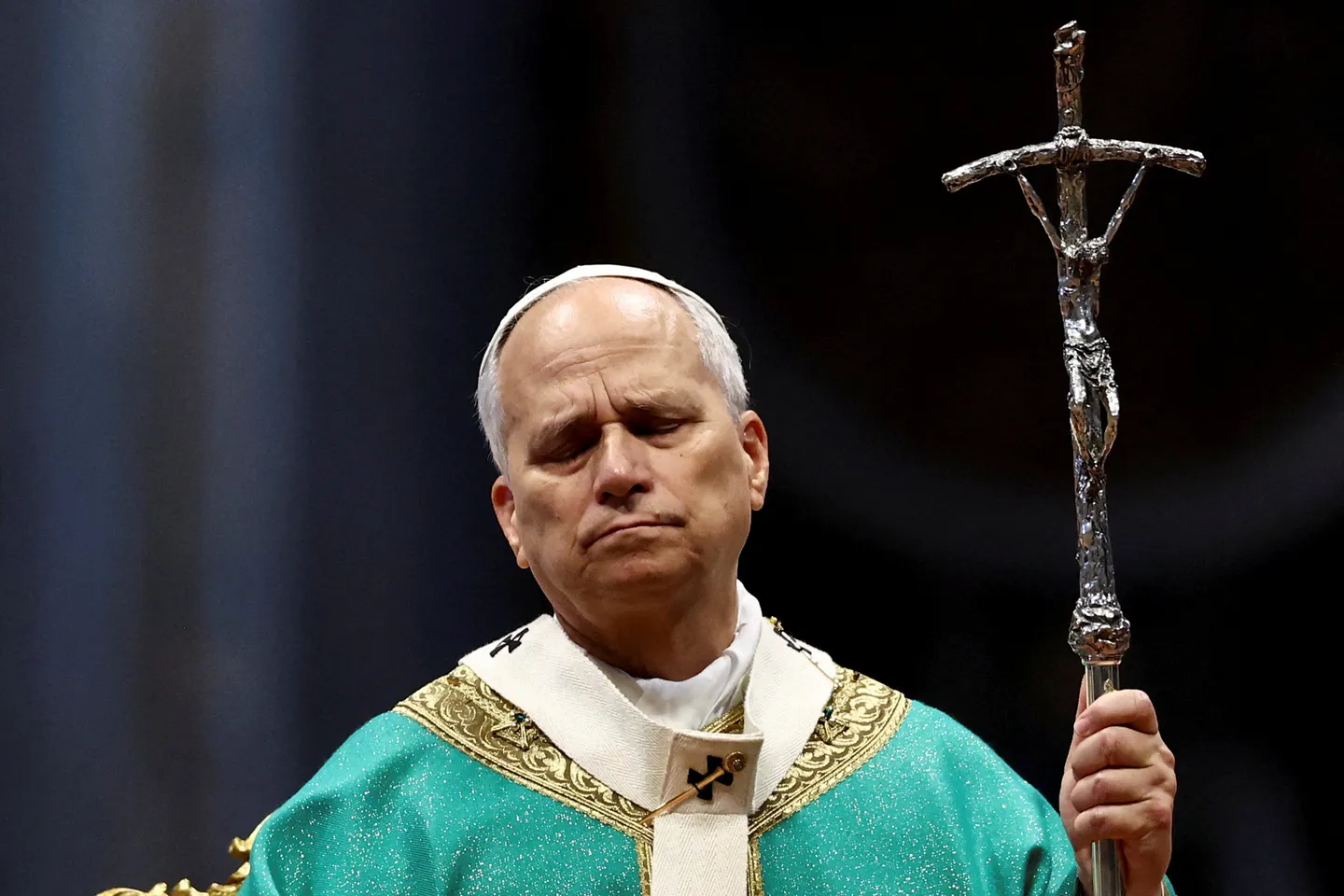
When Pope Leo XIV land for Türkiye on November 27 to mark the 1700th anniversary of the First Council of Nicaea, e no dey just follow one old road for Christian history.
The visit balance theology, memory, diplomacy, and identity — na acknowledgement say the foundation of Christianity as we know am today first set for towns, valleys and cities for Anatolia, no for the West.
The Pope journey, wey include meetings with Turkish leaders for Ankara and one big liturgical ceremony for Iznik (Nicaea), don dey hailed as one of the most symbolic papal trips for decades.
To sabi why, you gats look the land itself. Few places carry the kind importance for early Christian history wey Anatolia get, and Professor Zafer Duygu from Dokuz Eylul University for Izmir emphasise am well well.
"Christianity development for antiquity and late antiquity get central geography," na im e talk. "The title Christian na for Anatolia dem first use am. According to the Acts of the Apostles, the term — wey come from Christos, wey mean Messiah — dem first call people Christian for Antioch for the late first century."
That one mean say the very name of the faith, before e comot waka cross continents, don form gidigba for ground wey now be Türkiye.
Di blessing wey come from Anatolia
Duygu talk say the earliest Christian communities and churches con show for this land.
"If you look Paul missionary journeys," e talk, "Anatolia hold central role." For the Book of Revelation, the seven churches — Ephesus, Smyrna, Pergamon, Thyatira, Sardis, Philadelphia and Laodicea — dey all for western Anatolia. "Dem consider these communities the most important for antiquity."
The region still produce some of the Church earliest martyrs and the people wey shape theology. Ignatius of Antioch, Polycarp of Smyrna — na dem early martyrs and key people for Christian theology.
For places like Cappadocia, Phrygia, Bithynia and the Aegean coast, Christian thinking really blossom. The Cappadocian Fathers — Basil the Great, Gregory of Nazianzus and Gregory of Nyssa — na dem lay the intellectual foundation for the doctrine of the Trinity.
Whole movements start for here too, both orthodox groups and other sects wey mainstream Christianity later push aside, from Marcion for Sinope to Montanus for Phrygia.
"Plenty clergy we fit name," Duygu talk, "we fit still add more example. Saints, martyrs, theologians — the majority of dem comot from Anatolia."
This one no be regional exaggeration. The first big councils wey affect whole Christian world — gatherings wey still bind nearly all major Christian traditions today — dem hold for Anatolia.
Between 325 and 553, Nicaea, Constantinople, Ephesus, Chalcedon and other places host the deliberations wey shape global Christian orthodoxy.
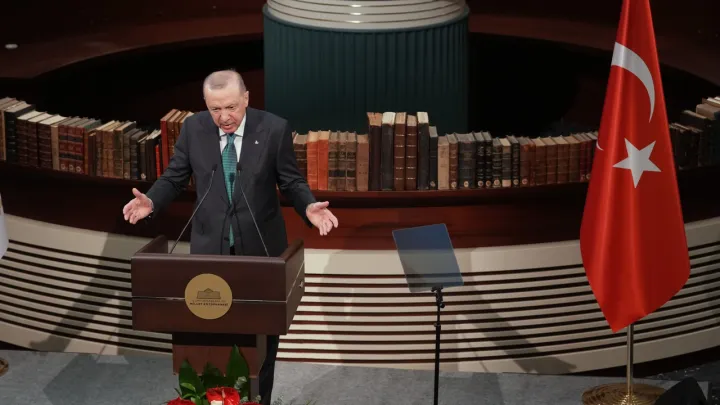


"These councils still dey binding for every Christian community wey claim the title today," Duygu talk.
Di Nicea legacy
"The 325 Council of Nicaea na one of the most decisive moments, and e happen for here, for present-day Iznik," e talk.
The meaning of the Council of Nicaea hard to understate. Emperor Constantine convene am — "who dey integrate the Church into the state system" — and the council produce the Nicene Creed, the basic declaration of Christian belief.
According to the creed, Jesus Christ no be creature but "of the same essence" (homoousios) with God the Father.
"Na for Nicaea dem affirm say Christ full divine and eternal," e talk. Arius and him followers wey get different idea about Christ nature, dem excommunicate dem.
But the Council matter no end for theology alone. E still organise the administrative hierarchy of the Church. Rome, Antioch and Alexandria dem choose as major centres, each one get patriarch. This arrangement later cause centuries of rivalry, schisms and competing authority claims — but the framework start for Iznik.
"The emperor create one ecclesiastical hierarchy," Duygu say. "The aim na political: to use the Church extend central authority."
Because of this, Pope Leo XIV visit carry deep symbolic meaning. The Pope na both spiritual leader and head of state. The itinerary show both sides: diplomatic meetings for Ankara, then pilgrimage to Iznik for a joint ceremony with Patriarch Bartholomew, the Greek Orthodox Patriarch of Fener, plus declarations wey people dey expect.
Di eternal bond
Peder Severin, priest for Mary Mother of the Rosary Church for Istanbul Bakirkoy district, underline the emotional and spiritual side of the visit. "Türkiye very important for Christianity when we dey talk history. The first 300 years of the Church pass for these lands."
For Christians wey dey live for Türkiye today, the Pope visit be reminder of ancient roots and sign say dem include. "We be part of this country," e stress. "We want contribute to its future."
As preparations dey increase and Iznik dey expect plenty pilgrims, clergy, scholars and journalists, world attention turn again to the quiet lakeside town wey doctrinal revolution once happen.
"This na Pope Leo first trip outside. E go remain for history."